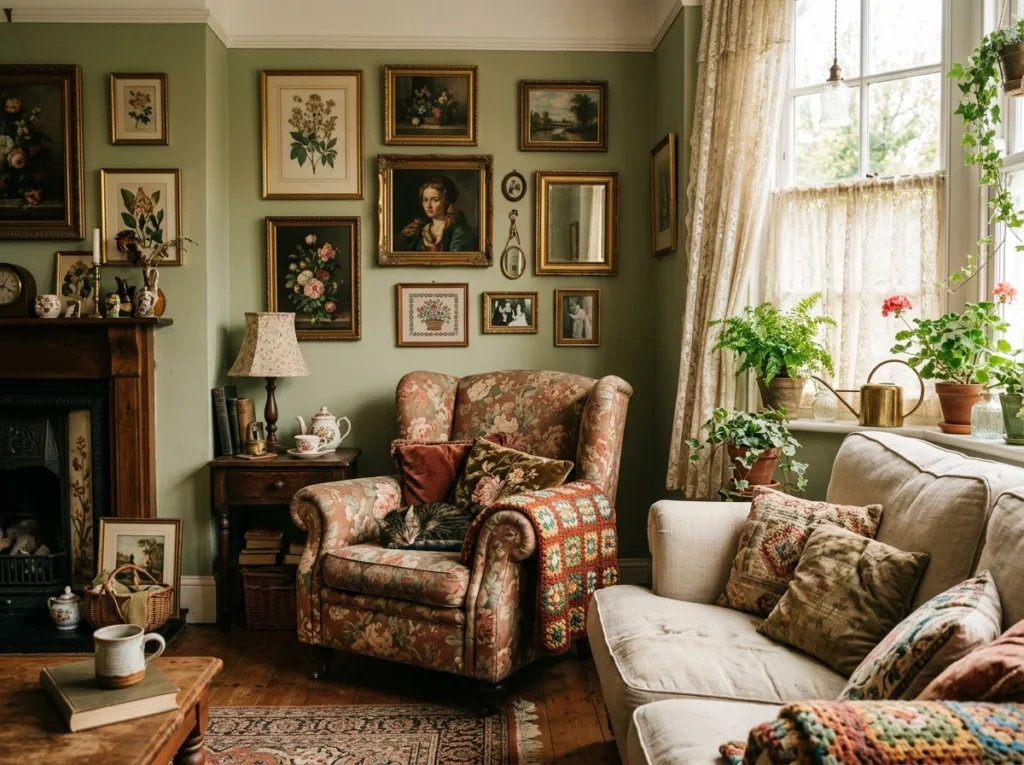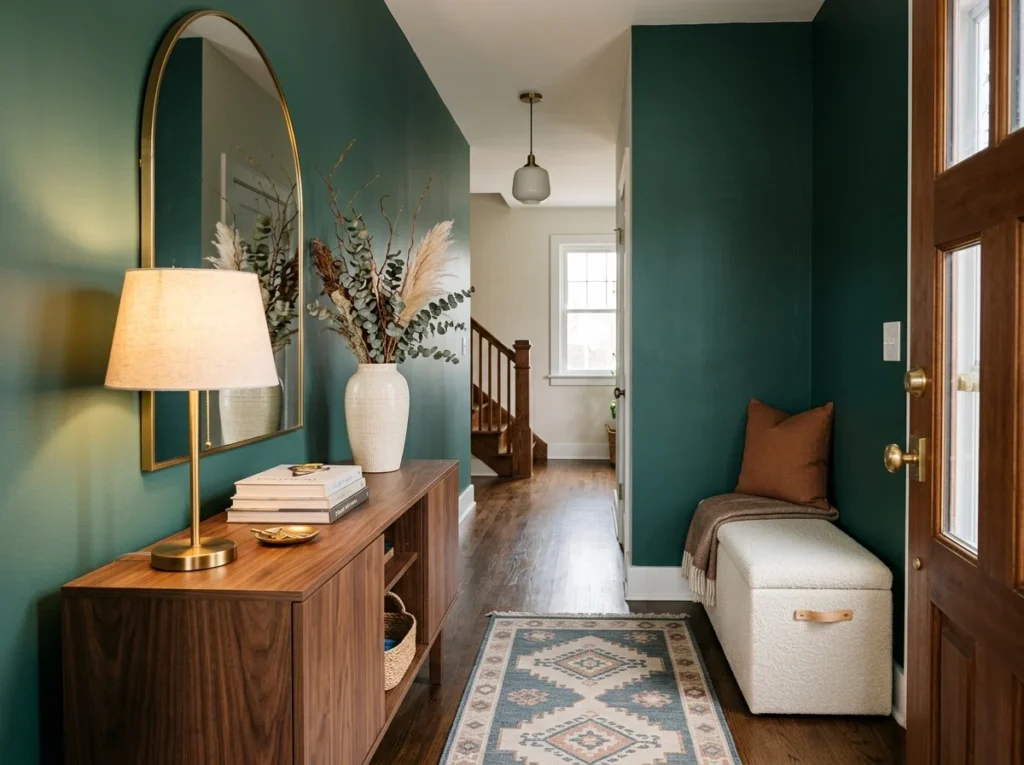
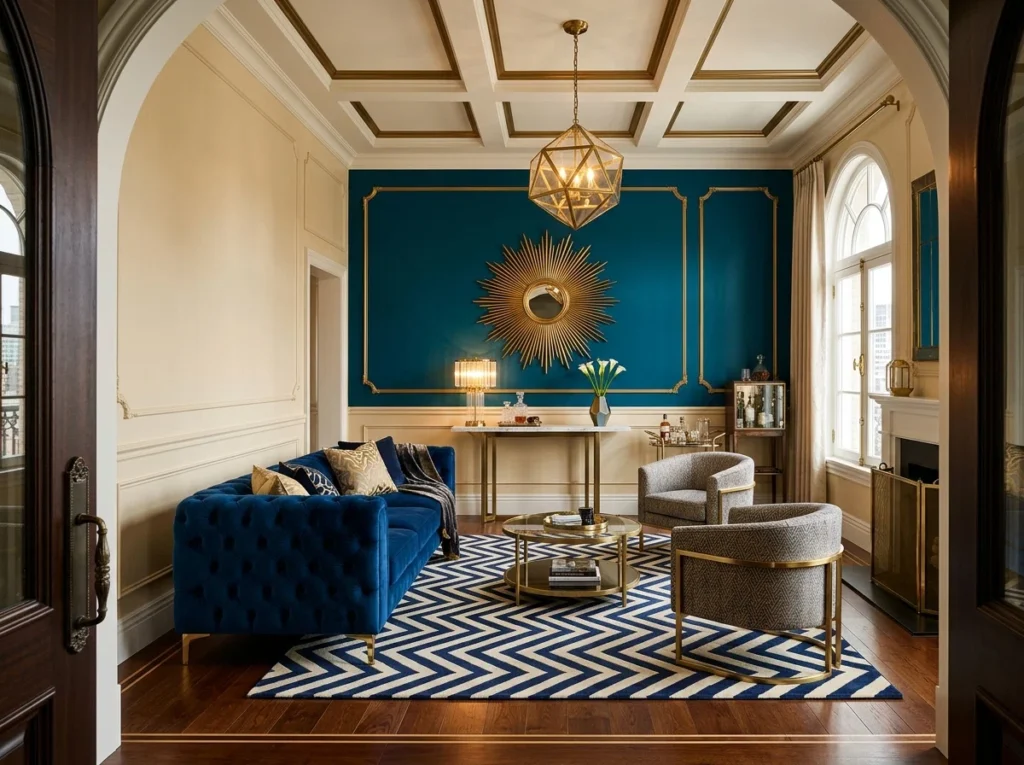
Minimalism had its moment. Clean lines, empty surfaces, nothing out of place — and somehow, nothing that felt like home. The pendulum is swinging back hard.
Art Deco is one of the fastest-growing interior trends of 2026, driven by what Pinterest calls “Neo Deco” — crisp chevrons, fan arches, chrome and brass accents, and unapologetic glamour.
Here are 15 Art Deco home decor ideas to bring that bold energy into your space.
1. Add a Chevron Pattern Somewhere Unexpected
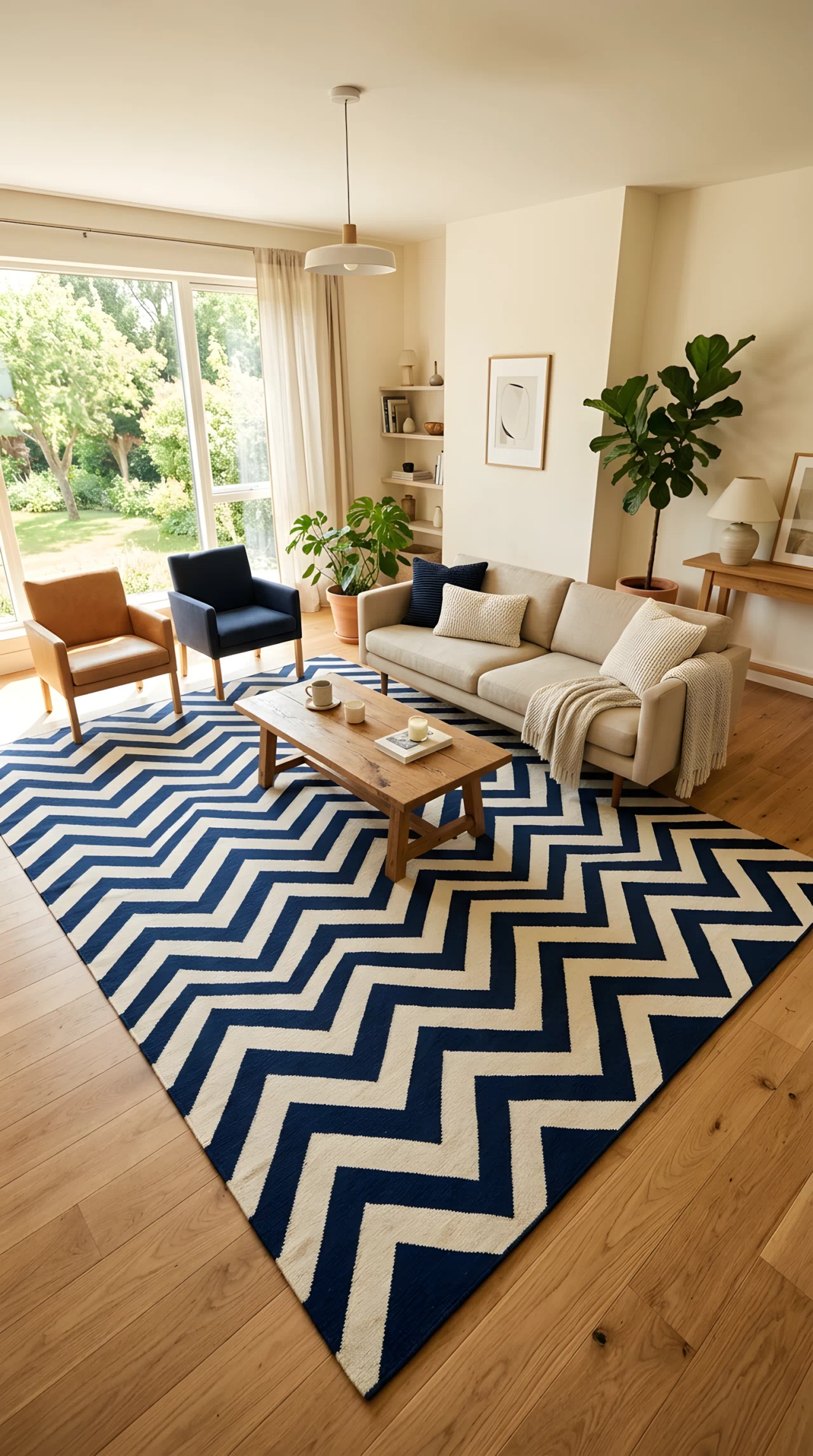
Chevron is one of the signature patterns of the Art Deco era, and in 2026 it’s showing up on upholstery, rugs, wallpaper, and even painted floors.
The key to making it feel current rather than dated is scale — go larger than feels comfortable, and choose it in a muted, sophisticated color palette like navy and cream or charcoal and gold rather than high-contrast brights.
2. Introduce a Fan Arch Silhouette
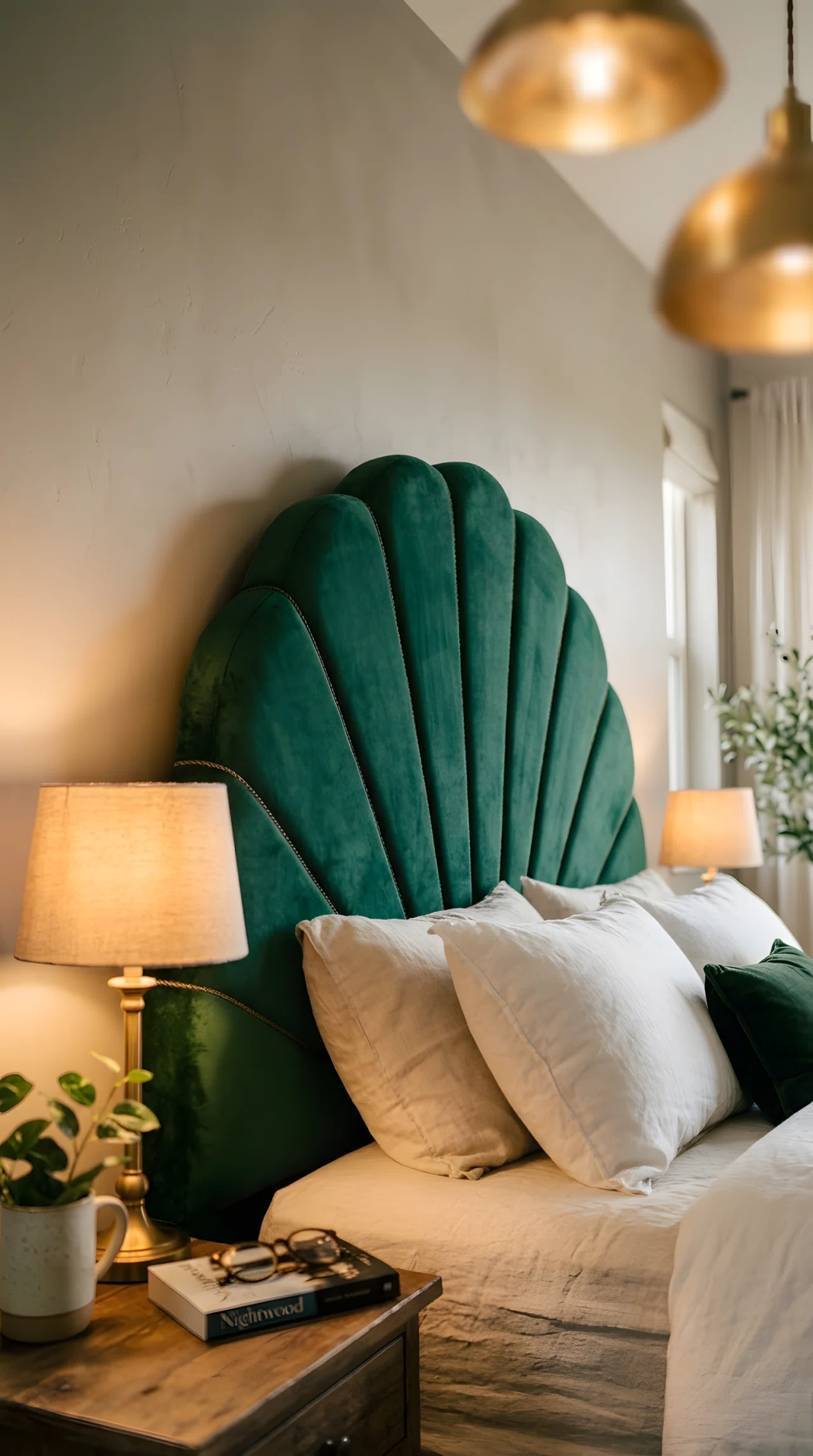
Fan-shaped arches — on headboards, cabinet doors, mirrors, and decorative panels — are the single most recognizable motif of the Neo Deco trend.
Even one piece with this silhouette is enough to establish the aesthetic in a room. Look for it in furniture, wall paneling, or even as a stenciled pattern on a single accent wall.
3. Choose Brass or Chrome Hardware Throughout
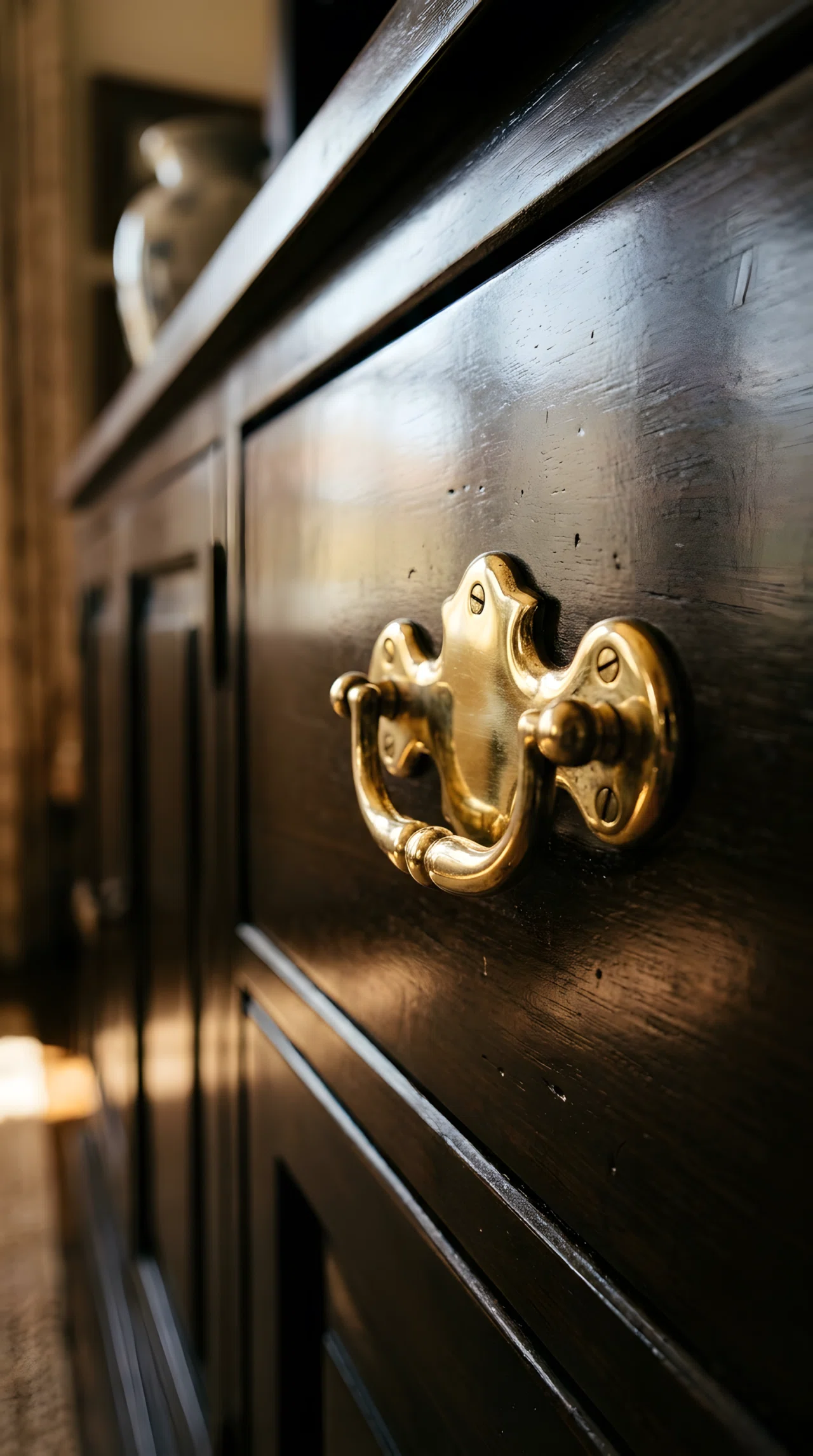
Art Deco interiors are defined by their metallic accents. Replacing hardware across a room — cabinet pulls, curtain rods, lamp bases — with consistent brass or chrome creates a cohesive quality that reads immediately as intentional. Brass skews warmer and more vintage; chrome reads cooler and more strictly 1920s.
4. Use Bold Color Blocking on Walls
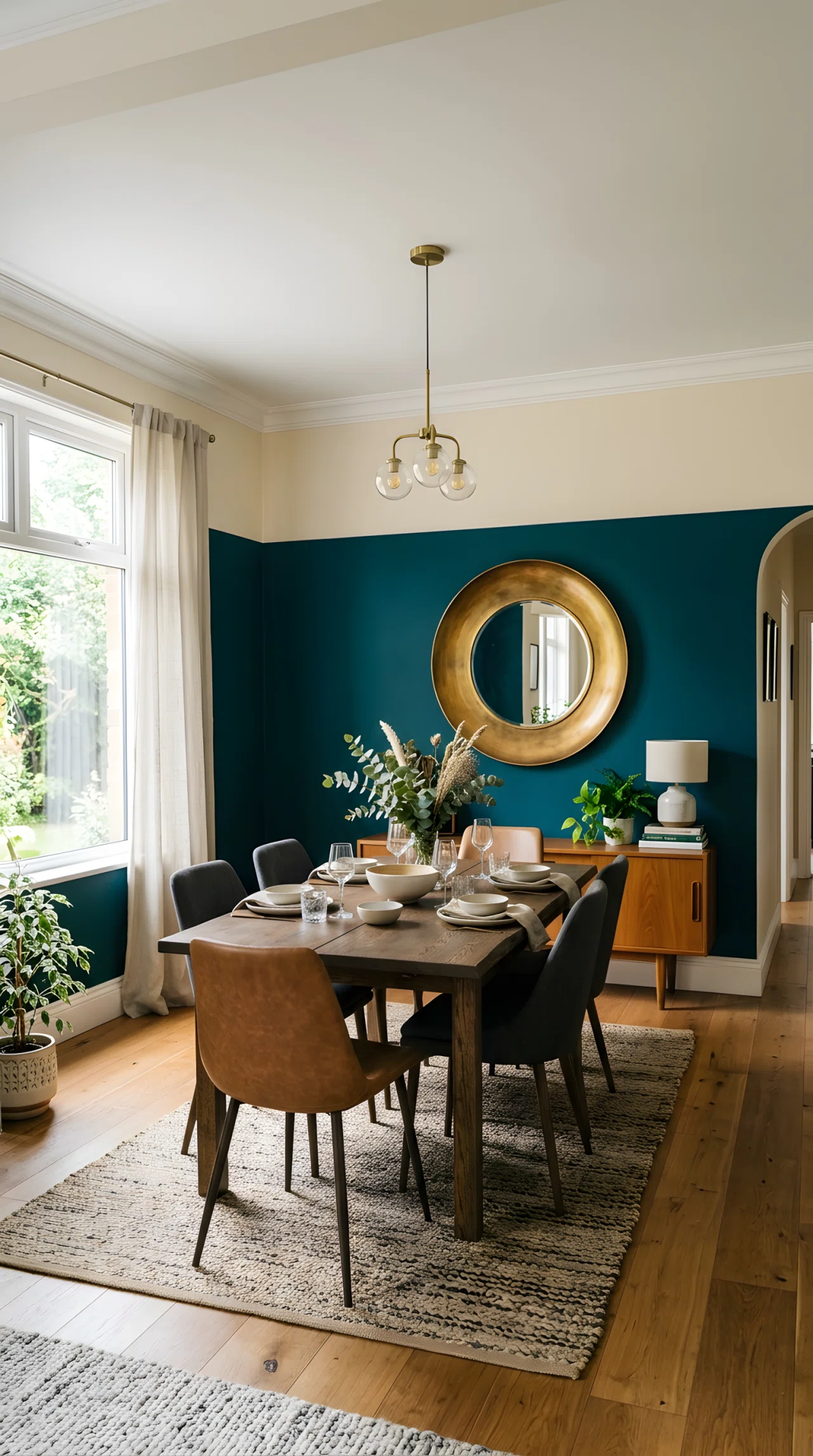
Art Deco was never afraid of color, and the Neo Deco revival of 2026 leans into deep, saturated blocking — two contrasting tones meeting at a horizontal line, or a panel of rich color framed by trim in a complementary shade.
Deep teal against cream, burgundy against gold, or black against warm white all capture the era’s theatrical confidence without feeling like a costume.
5. Bring In a Sunburst Mirror or Wall Detail
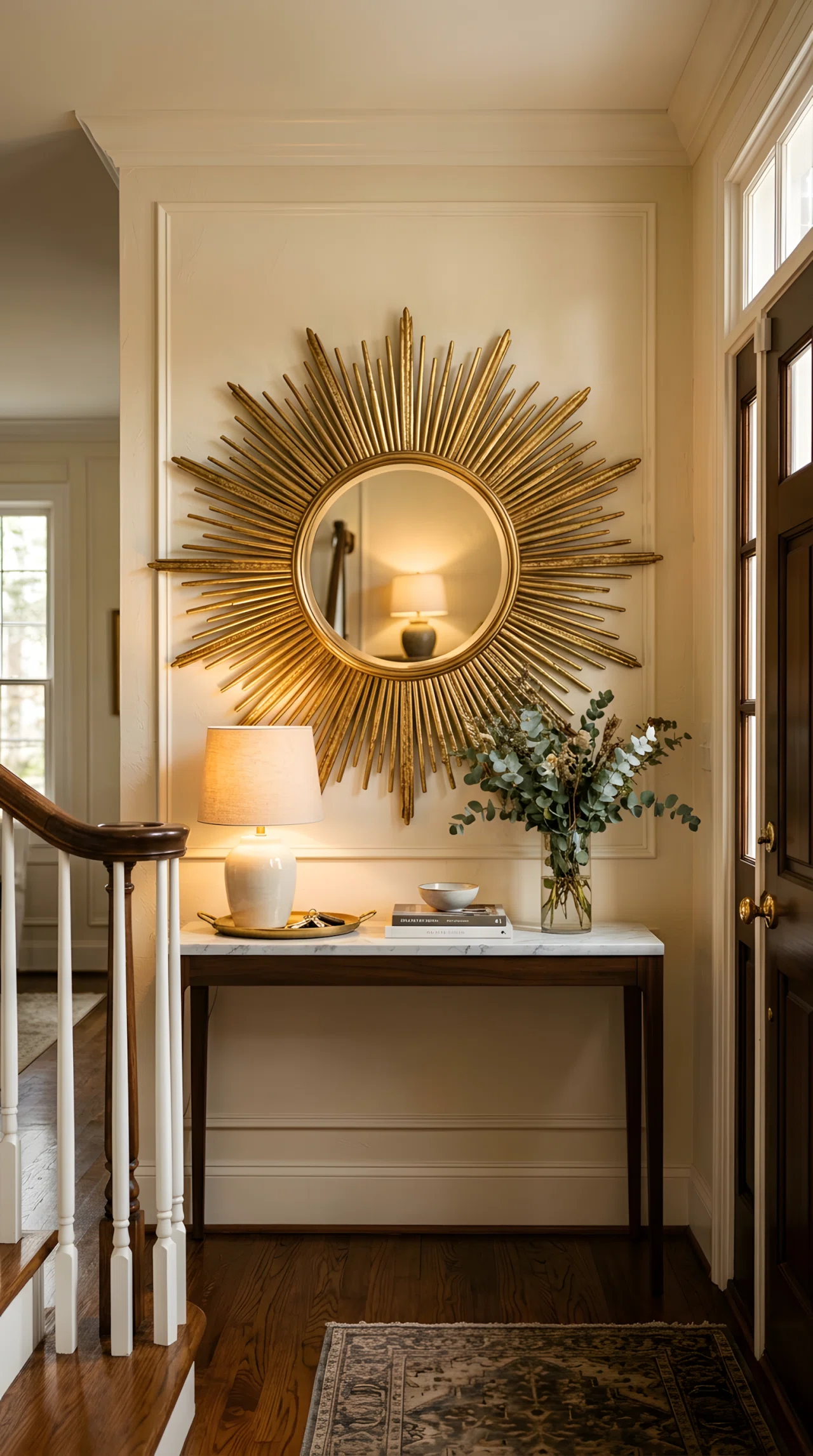
The sunburst is one of Art Deco’s most enduring motifs, and a large sunburst mirror above a console table or fireplace is one of the fastest ways to anchor a room in this aesthetic.
Gold-leafed or brass-finished versions are the most historically accurate, but even a matte black sunburst reads clearly within the style and works well in rooms that already have warm metal accents elsewhere.
6. Go For Lacquered or High-Gloss Surfaces
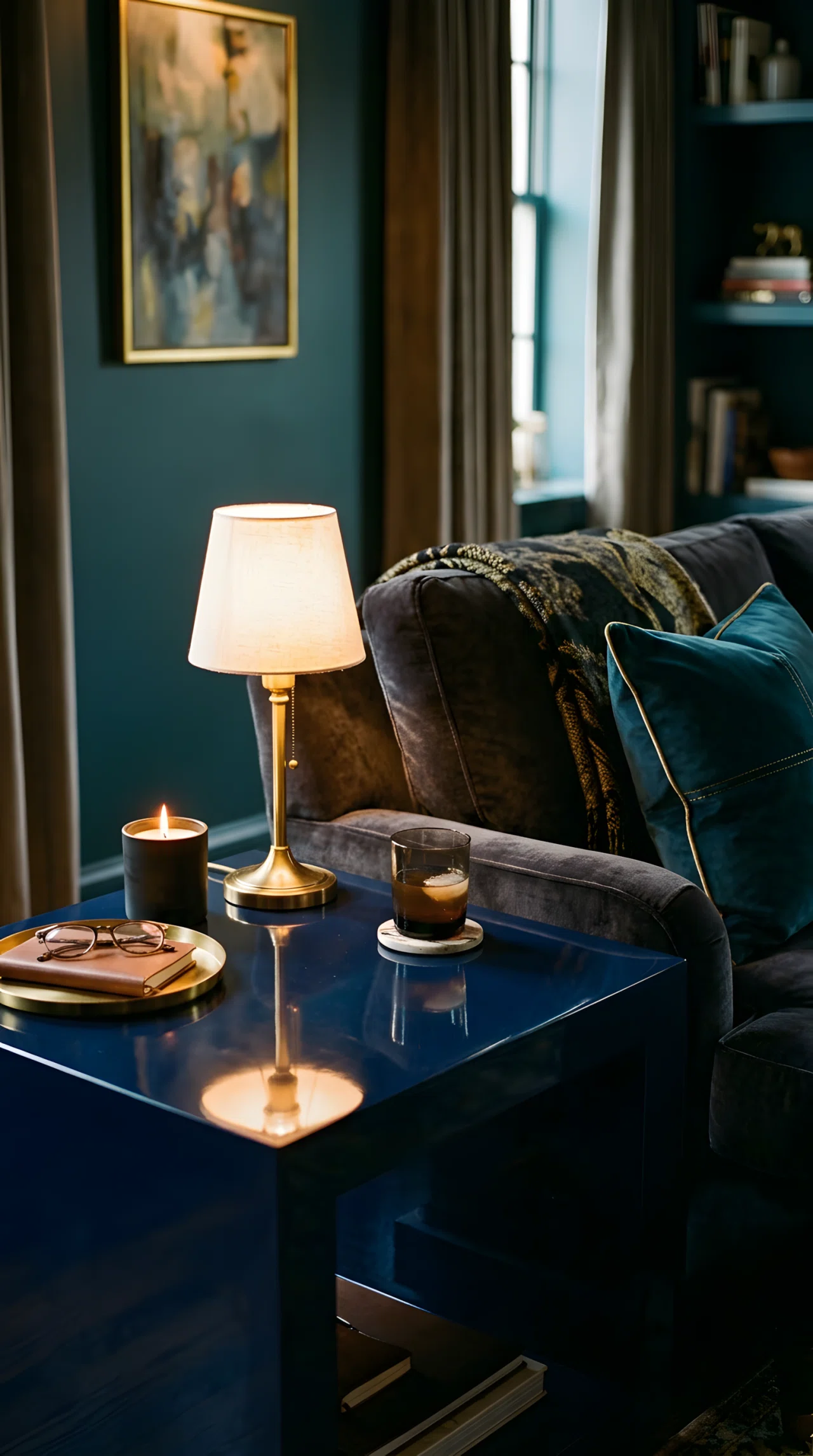
High-gloss lacquered furniture — a side table, a cabinet, or even a lacquered ceiling — was a hallmark of 1920s and 30s interiors and translates directly into the Neo Deco aesthetic.
Black, deep navy, and forest green are the strongest choices in 2026. The reflective surface catches and multiplies light in a way that matte finishes can’t, adding drama to even a modestly sized room.
7. Layer In Velvet Upholstery
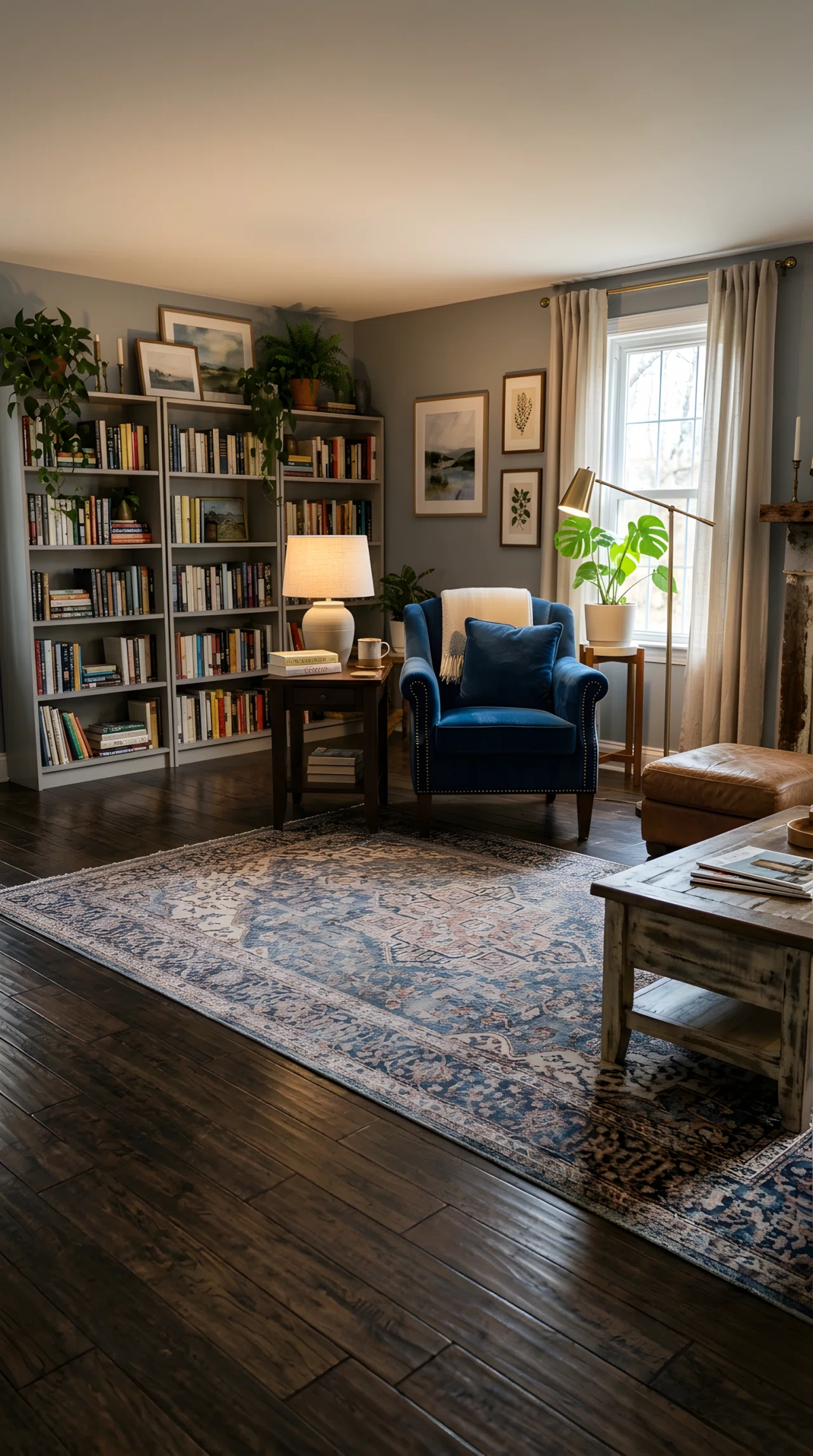
Velvet and Art Deco are inseparable. The material’s richness, its shift between light and shadow as it moves, and its association with theater and old-world glamour make it the ideal upholstery fabric for this aesthetic.
Jewel tones — emerald, sapphire, amethyst, and deep amber — are the most historically resonant choices and the ones performing strongest on Pinterest boards in 2026.
8. Use Marble With Bold, Dramatic Veining
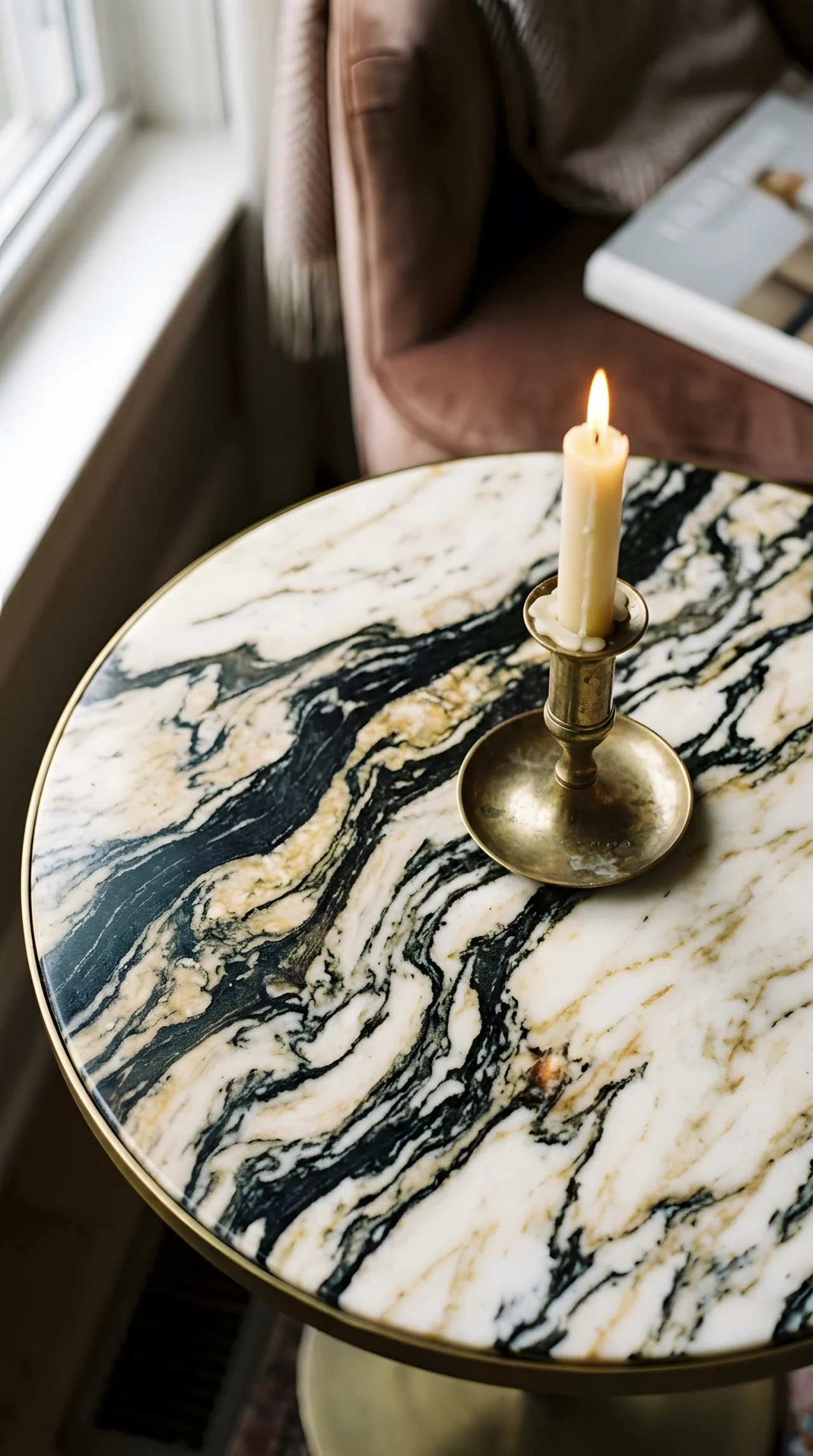
Art Deco interiors favored marble — but not the quiet, subtle kind. Book-matched marble with strong, graphic veining in black, gold, or deep green brings the architectural boldness the era is known for.
In 2026, bold marble is appearing on countertops, fireplace surrounds, side tables, and even as wall cladding in small doses. Marble-effect tiles and peel-and-stick panels make this accessible without natural stone budgets.
9. Add a Statement Geometric Light Fixture
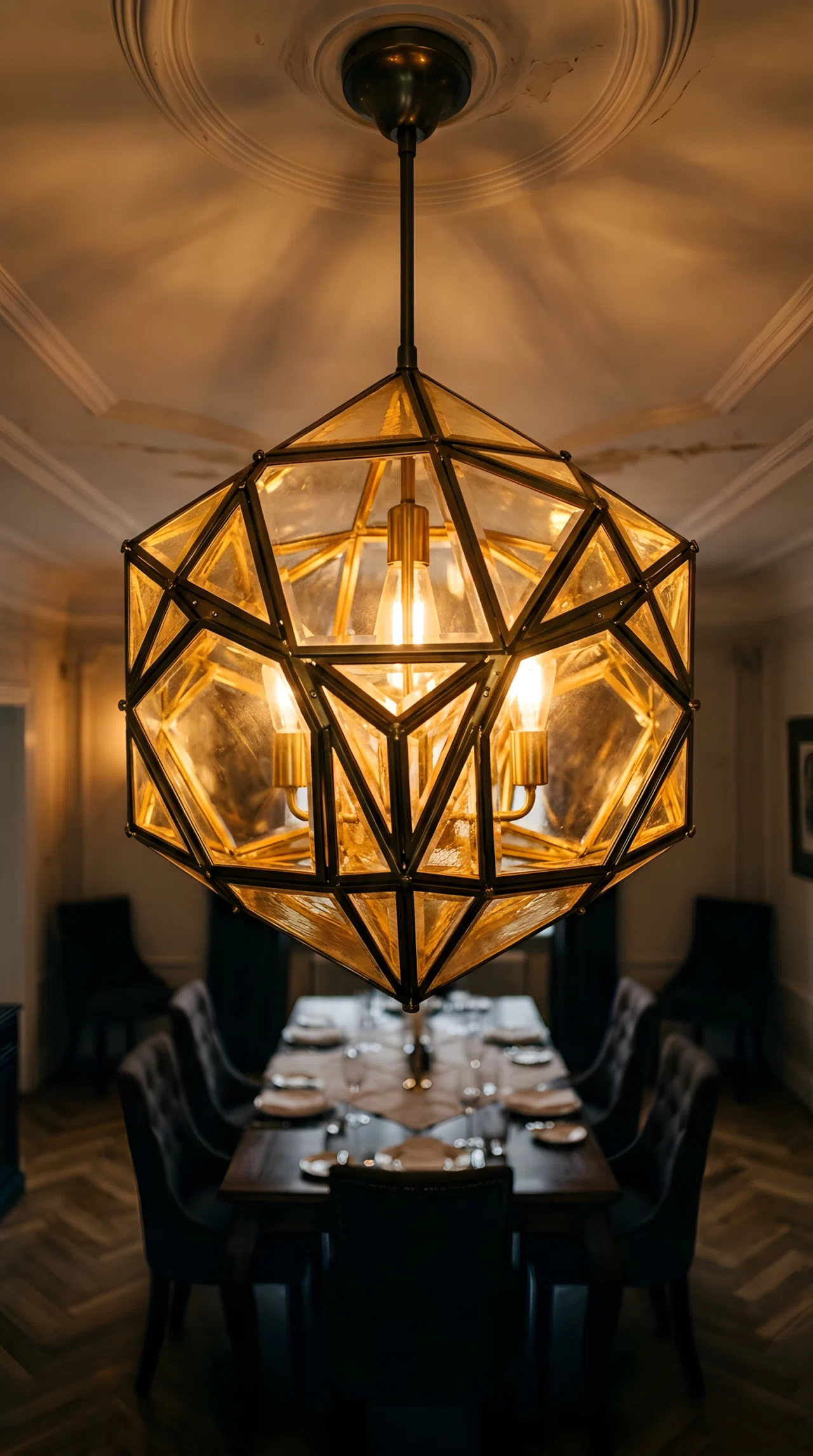
Lighting was central to the Art Deco aesthetic — fixtures were sculptural, geometric, and designed to be looked at as much as used. A pendant or chandelier with angular, faceted, or stepped geometric forms in brass, chrome, or frosted glass immediately reads as Deco-influenced. Position it where it can be seen from the room’s entrance so it sets the tone before anything else does.
10. Incorporate Mirrored Furniture
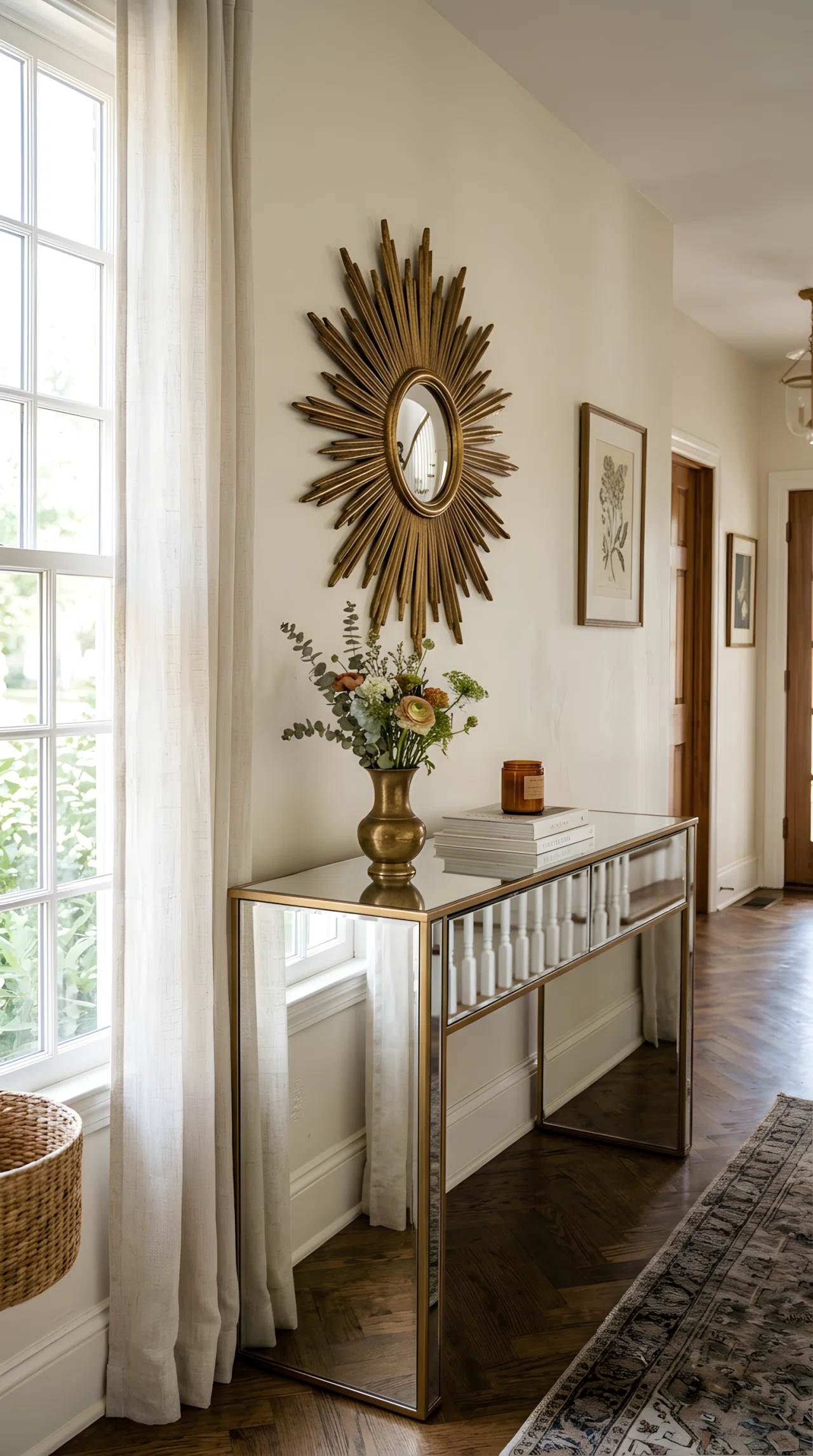
Mirrored furniture — side tables, dressers, and console tables with mirrored panels — was a defining luxury of the Art Deco period and remains one of its most recognizable signatures.
In smaller rooms it bounces light and expands the space. Pair it with one or two other metallic finishes so it feels integrated rather than out of place.
11. Try Geometric Parquet or Patterned Flooring
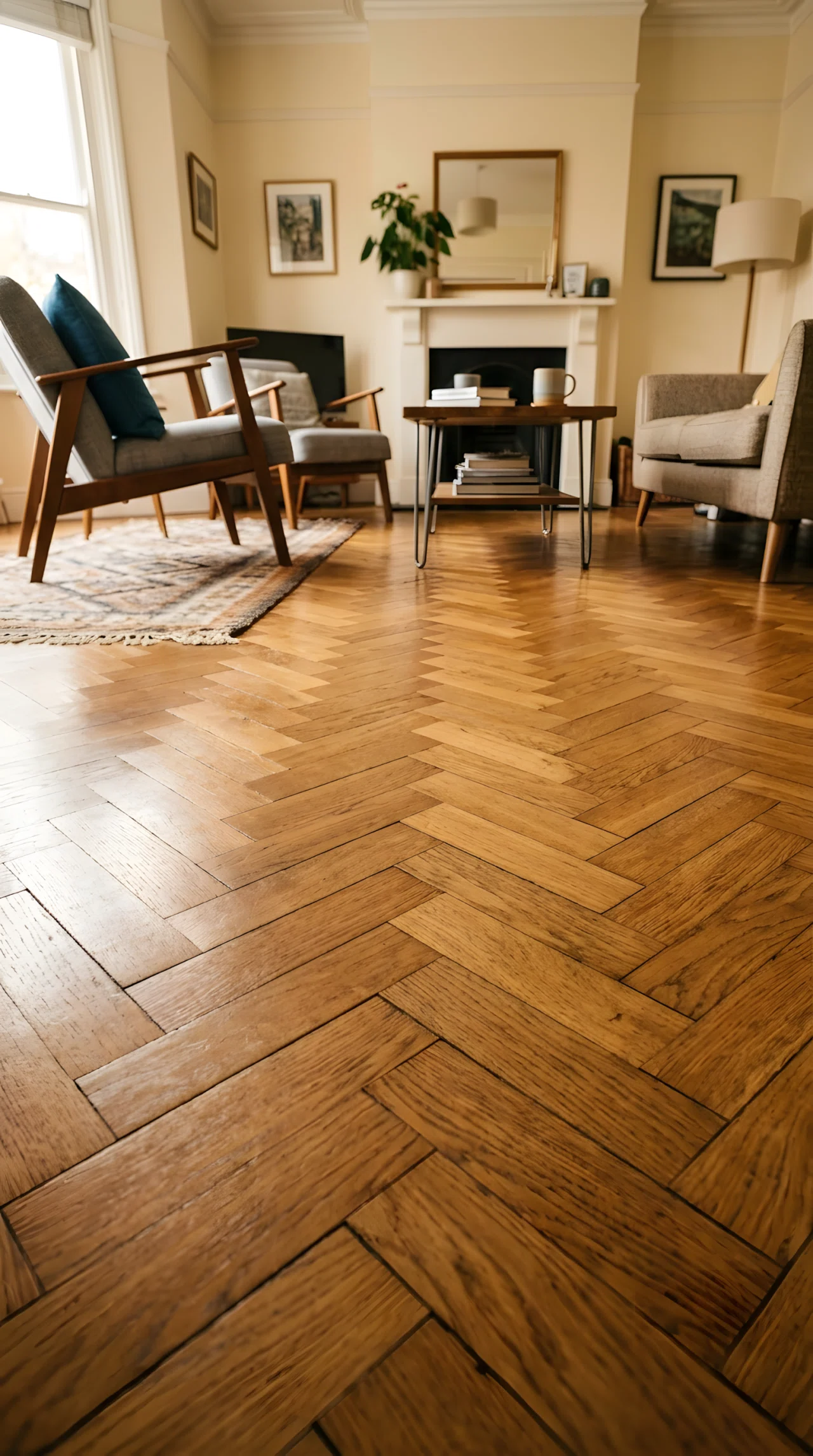
Herringbone, chevron, and basketweave parquet floors are among the strongest Art Deco flooring choices and are having a major moment in 2026 interiors.
If replacing flooring isn’t in the budget, large-format geometric floor tiles in a bathroom or entryway achieve the same effect in a smaller, more manageable space. Black and white checkerboard is the most accessible entry point and one of the most enduring.
12. Display Angular, Sculptural Decorative Objects
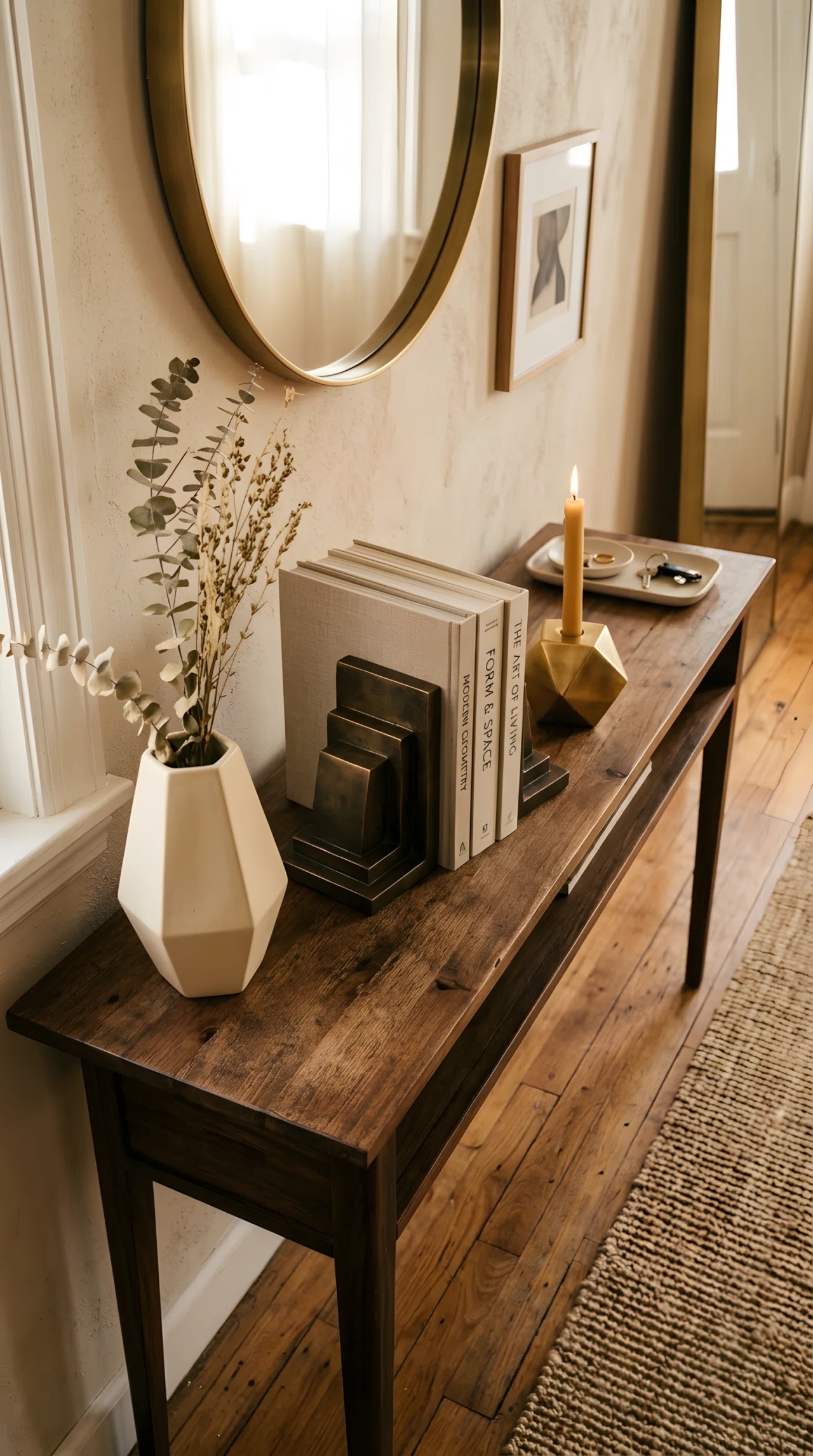
Art Deco decorative objects are defined by their angularity and their weight — geometric vases, stepped bookends, faceted candleholders, and bold figurative sculptures in bronze or ceramic.
Styling a shelf or console with two or three pieces that share this visual language pulls a room into the aesthetic without requiring any permanent changes. Antique markets and estate sales are the best source for pieces with genuine period character.
13. Use Striped or Geometric Wallpaper in One Room
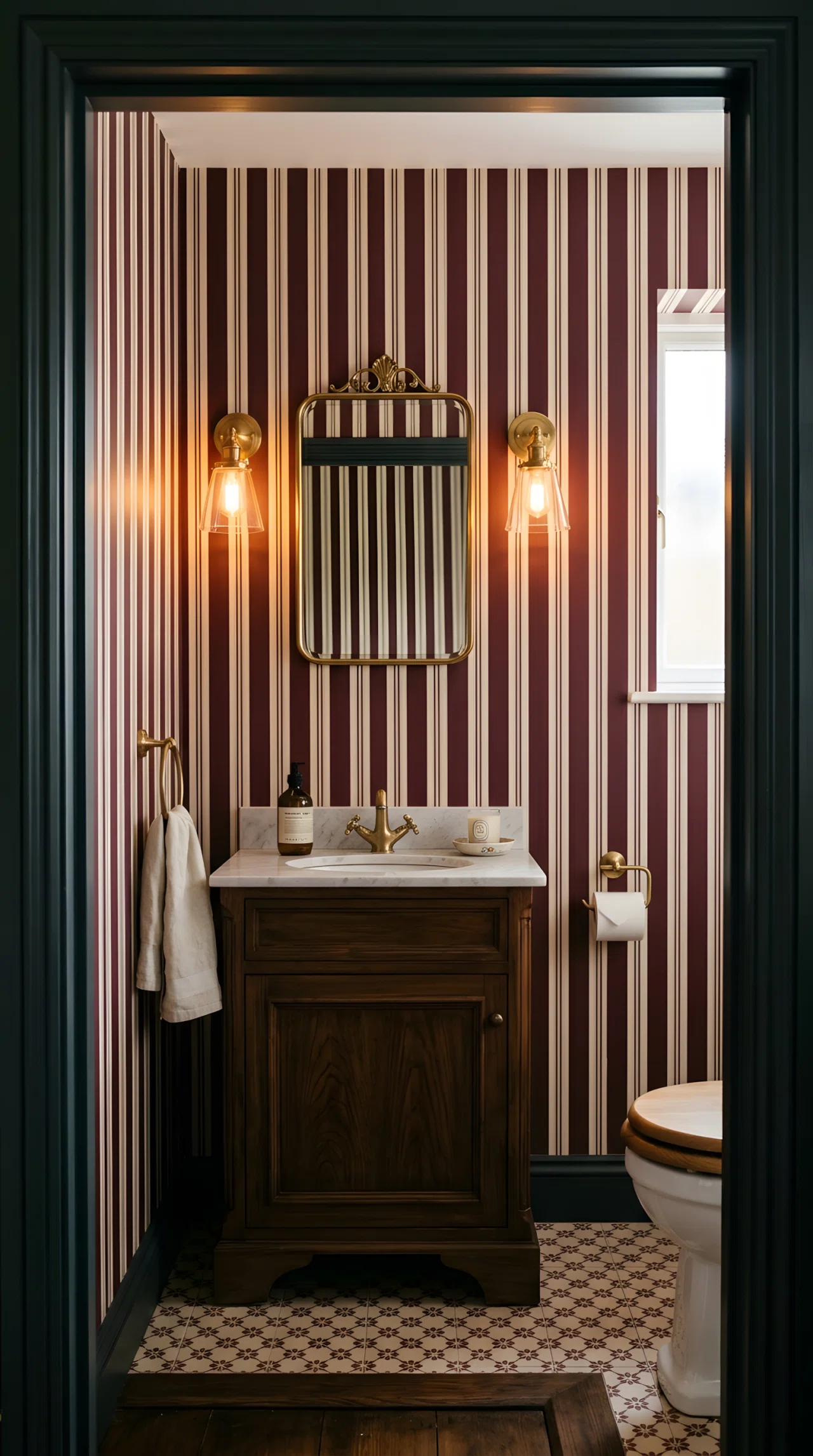
Wallpaper was a major vehicle for Art Deco pattern, and in 2026 geometric and striped wallpapers are among the fastest-growing search categories on Pinterest. A single papered room — a powder bathroom, a study, or an entryway — can carry the entire aesthetic of the house without committing every room to it. Vertical stripe patterns visually raise ceiling height while introducing graphic Deco energy at the same time.
14. Frame Art in Black With a Wide Mat
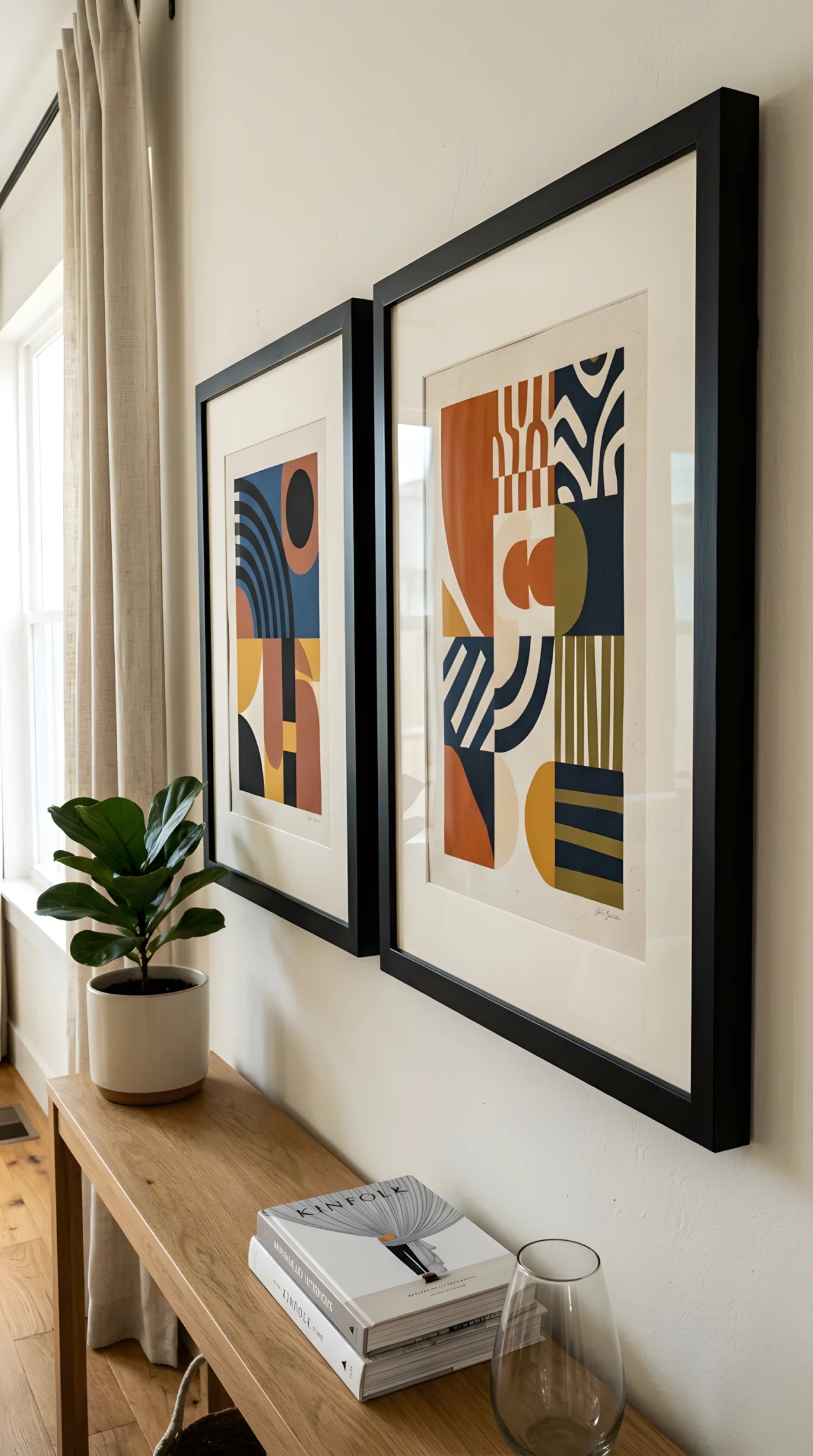
Art Deco gallery walls favor bold, graphic framing over the delicate thin frames of the minimalist era. A wide white or cream mat inside a substantial black frame gives even a simple print the weight and presence the aesthetic demands.
This is one of the most affordable ways to shift a room toward the Deco aesthetic, since the framing does most of the work regardless of what’s inside it.
15. Balance the Glamour With One Simple Element
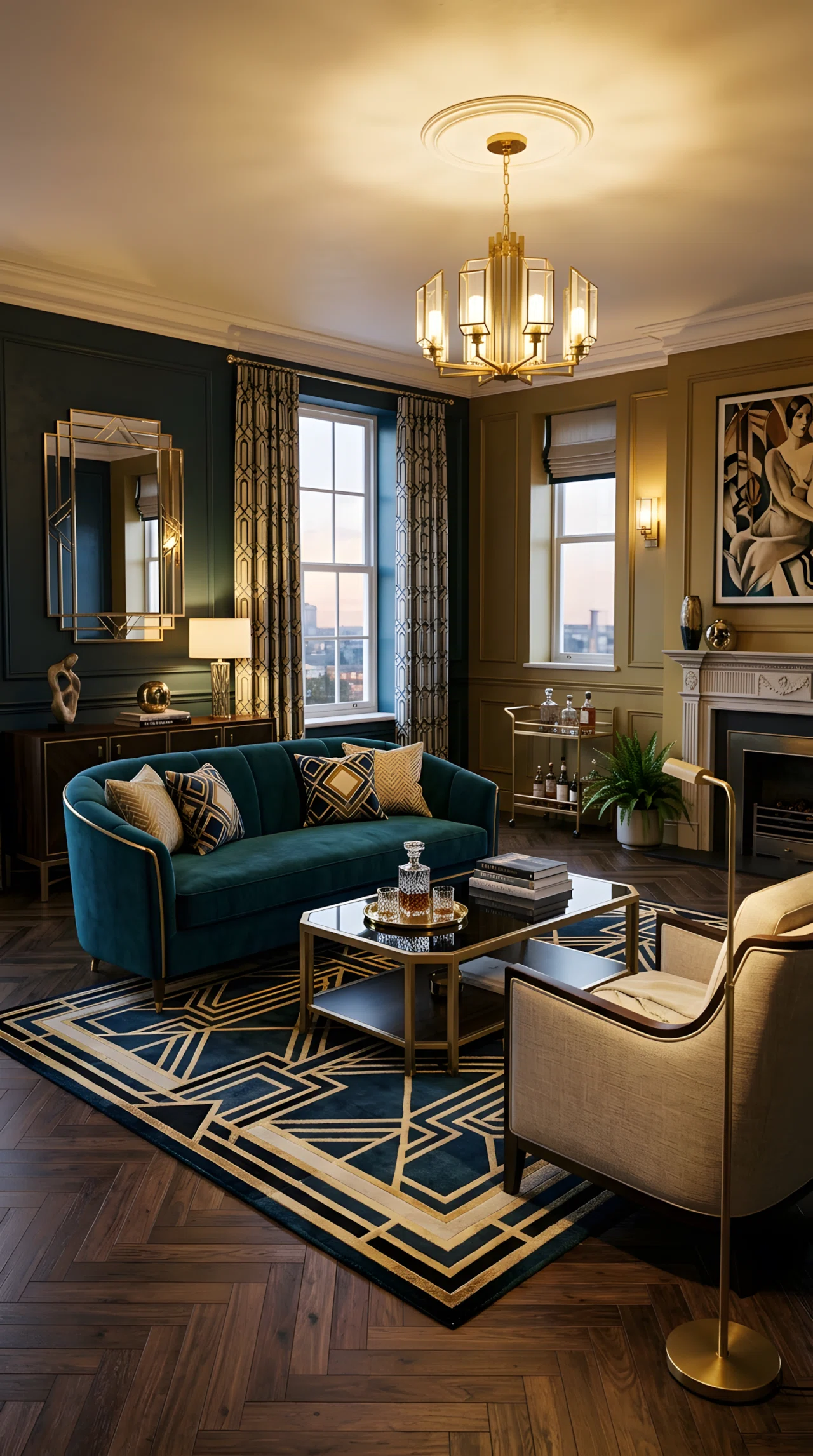
The risk with Art Deco is tipping from glamorous into overwhelming. Every strong aesthetic needs a visual counterweight — in an Art Deco room, that usually means one surface kept clear, one wall left plain, or one piece of furniture in a natural material like wood or linen that gives the eye somewhere to rest between the drama. Without that pause, even the most beautiful Deco room can start to feel like a set rather than a home.
Art Deco isn’t a trend that asks for subtlety — it asks for commitment. Pick the idea from this list that excites you most, build from there, and trust that more intention, not less, is what this aesthetic rewards.