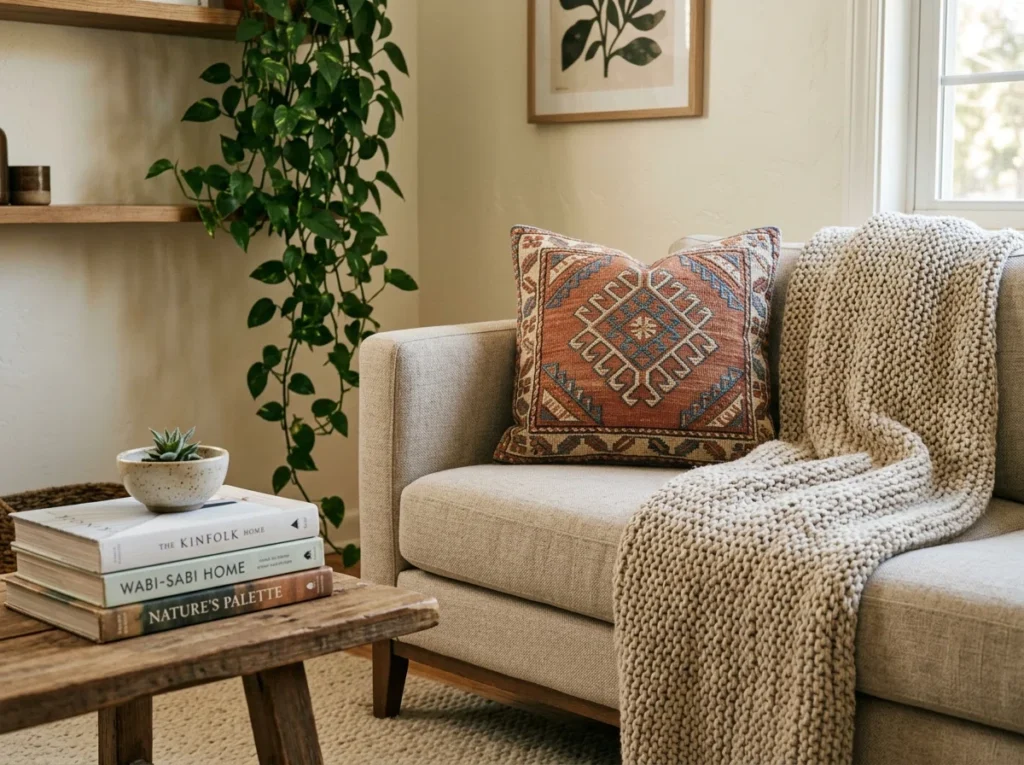
Most living rooms aren’t badly decorated — they’re just unfinished. A sofa here, a coffee table there, a rug that almost works. Everything is fine individually, but the room never coheres into something that feels intentional.
That gap between “fine” and “pulled together” is smaller than it looks — it usually comes down to a handful of deliberate decisions. Here are 15 living room decor ideas from the biggest trends of 2026, each one closing that gap a little further.
1. Commit to a Color Before Anything Else
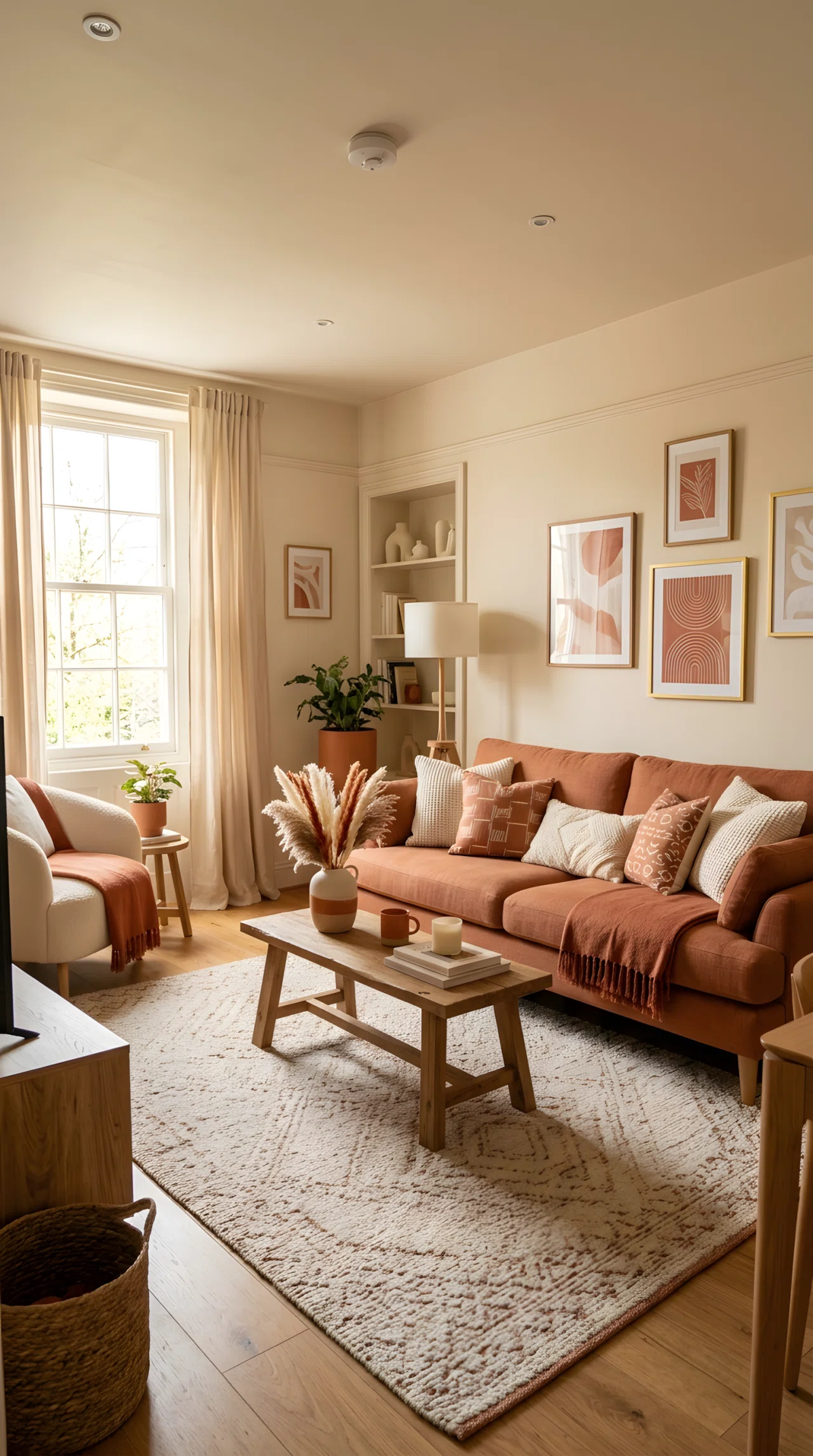
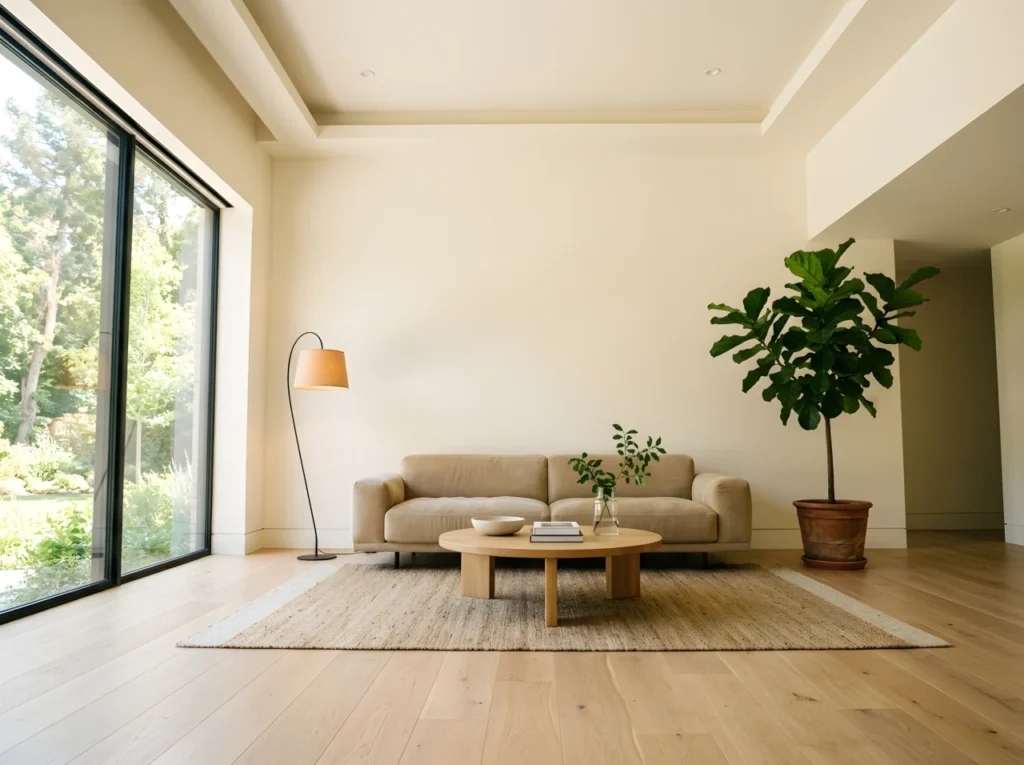
The most common reason a living room feels unfinished is the absence of a committed color. Neutral doesn’t mean no color — it means choosing one warm or cool undertone and making everything pull from it.
Pick your color first, then find furniture, rugs, and pillows that live inside that family. Everything else gets easier once this decision is made.
2. Layer Three Different Textures on the Sofa
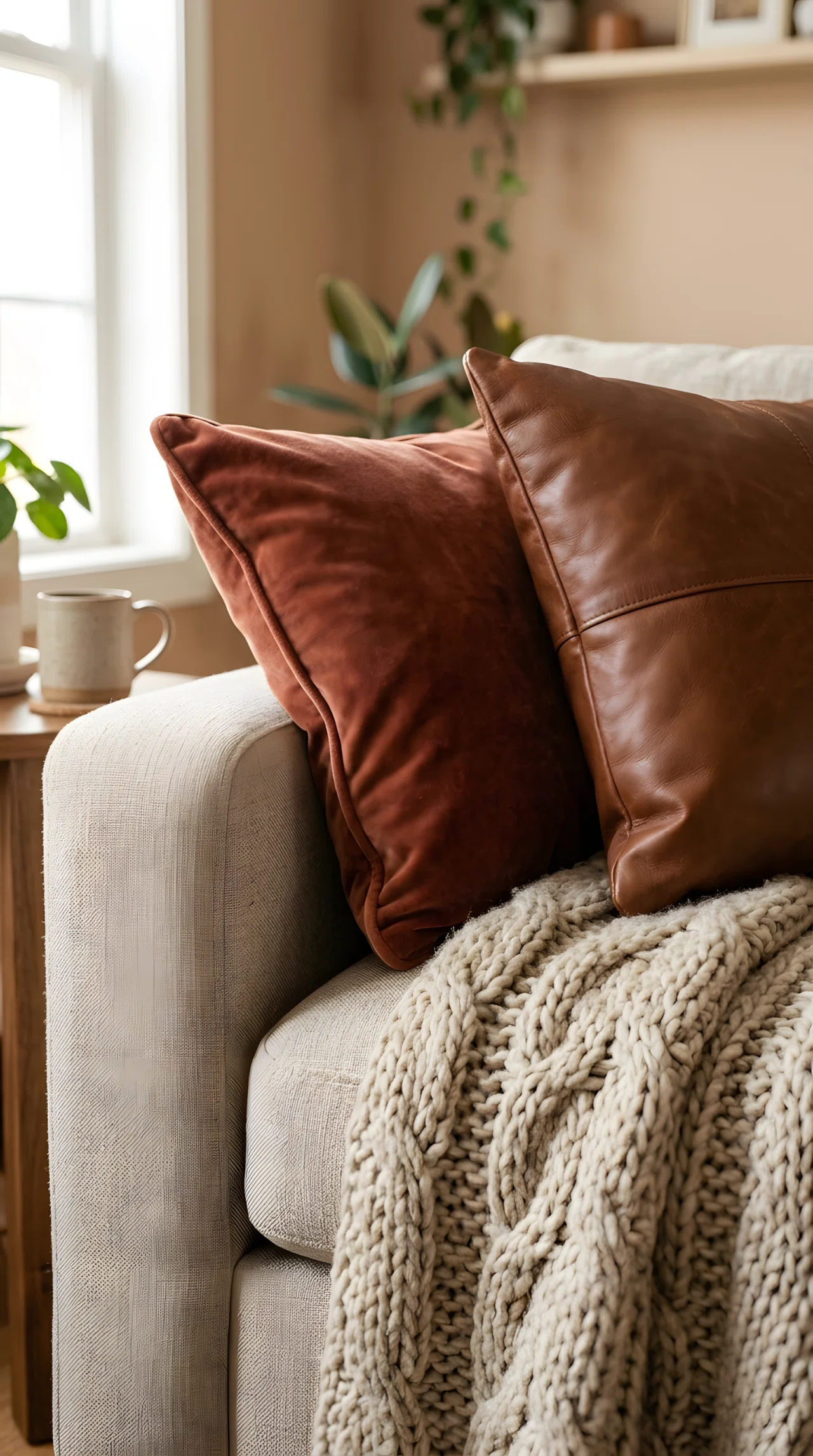
A sofa styled with pillows and a throw in at least three different textures — linen, velvet, and chunky knit, for example — instantly looks more considered than one with matching sets.
The textures don’t need to contrast wildly; subtle variation is enough. This single change is often the difference between a sofa that looks styled and one that just looks occupied.
3. Use Curved Furniture to Soften the Room
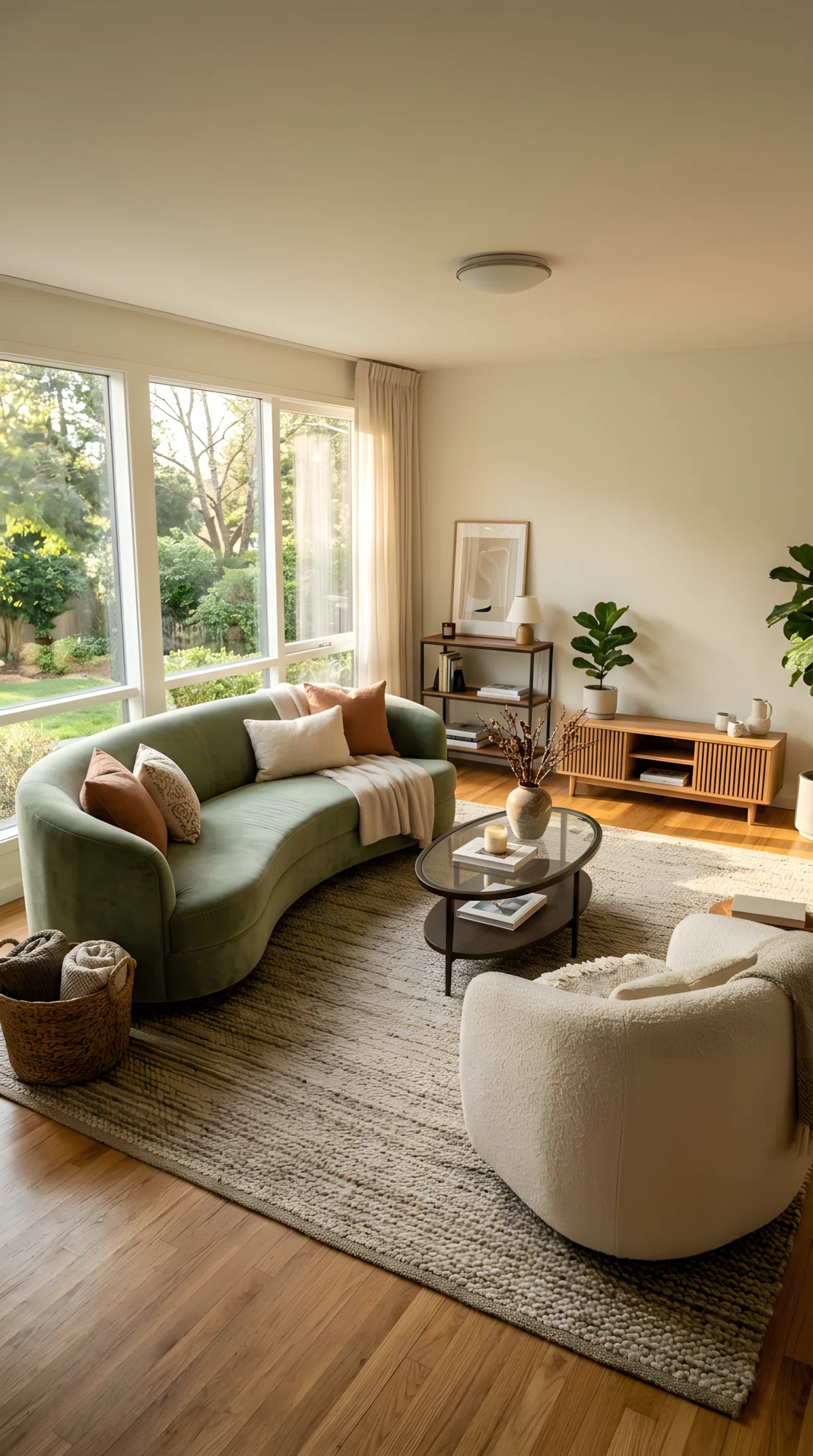
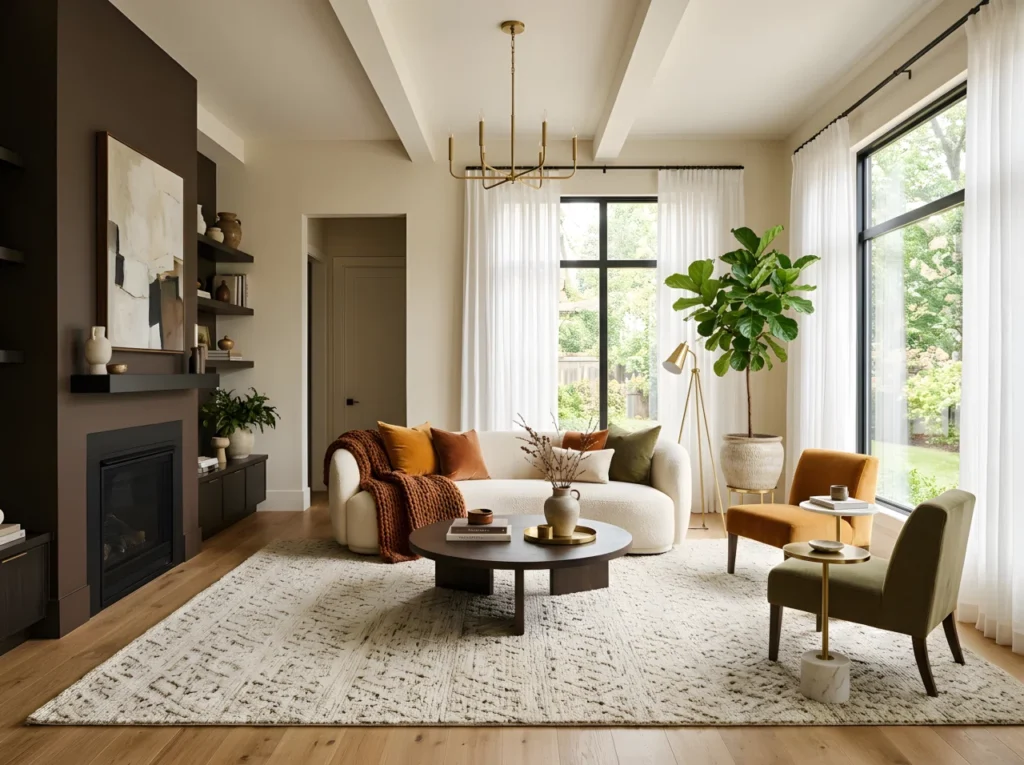
Curved sofas, rounded armchairs, and arched side tables are among the strongest living room trends of 2026, and for good reason — they break up the hard angles that make most rooms feel stiff and add a softness that immediately reads as intentional. Even one curved piece in an otherwise angular room changes the energy of the whole space.
4. Mismatch Your Seating on Purpose
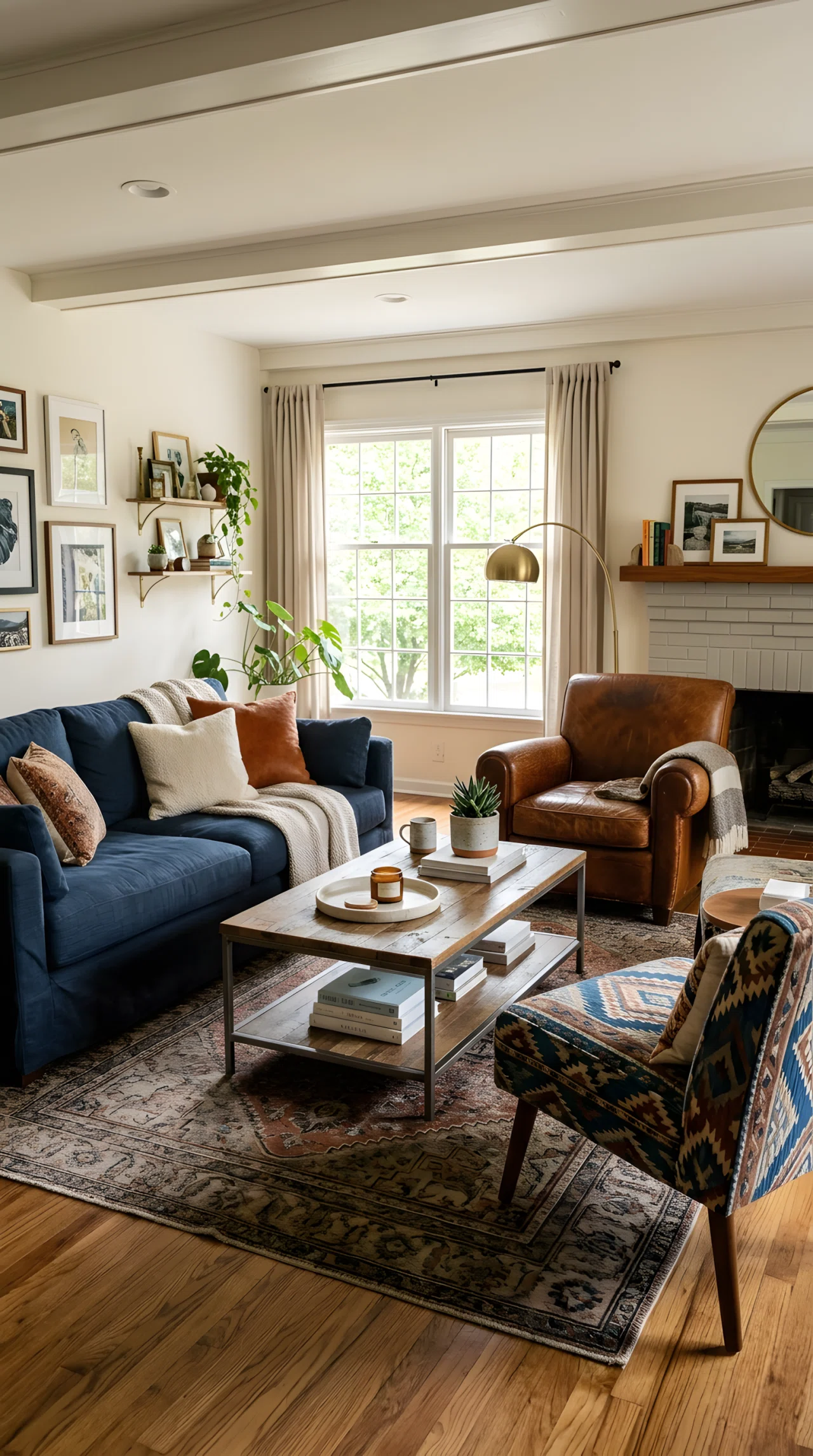
A sofa paired with armchairs that don’t match it — different fabric, different silhouette, even a different era — creates a room that looks collected over time rather than bought from a single catalog.
The key is keeping one element consistent across all pieces: the leg finish, the color family, or the overall scale.
5. Anchor the Room With a Properly Sized Rug
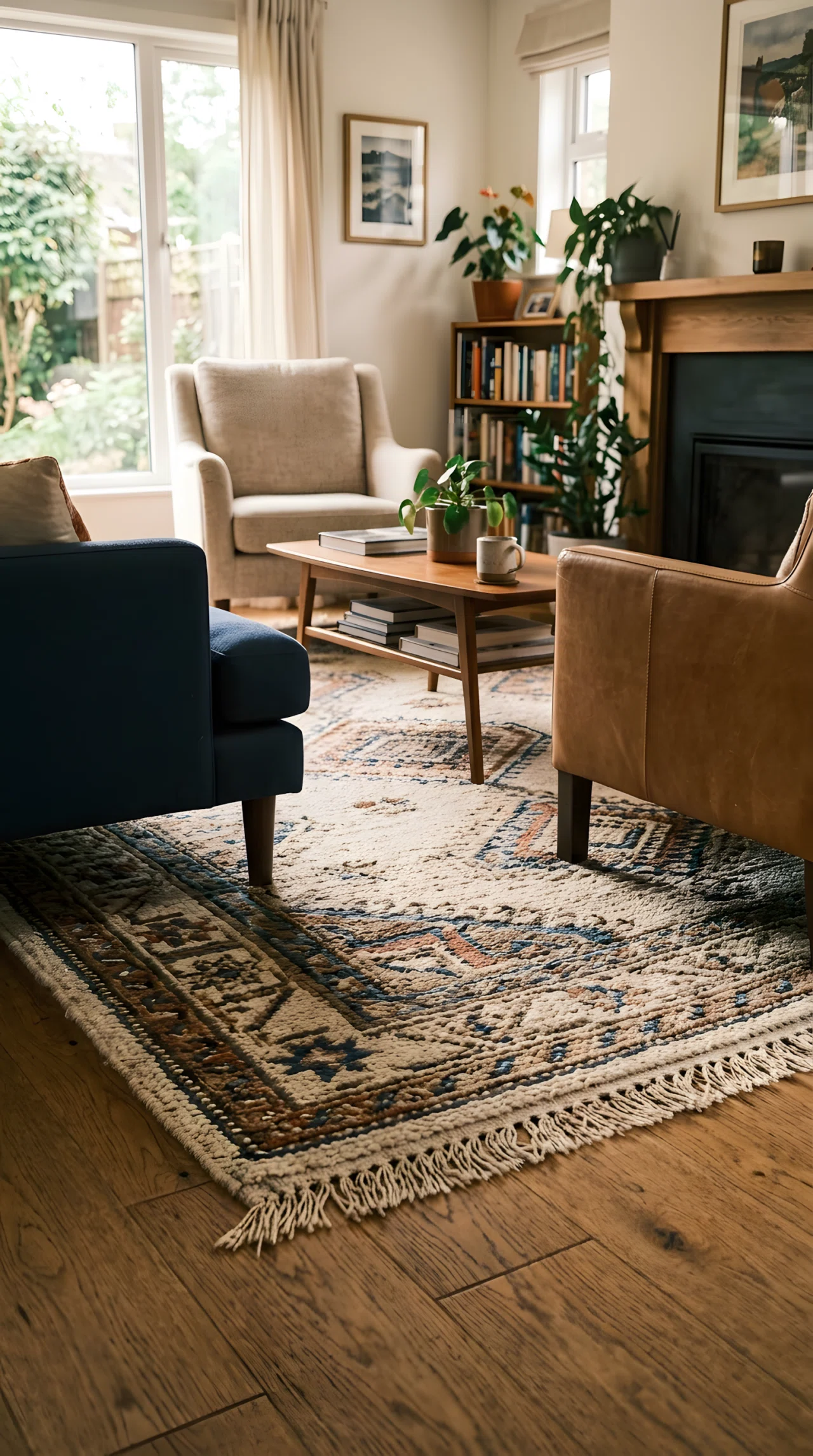
The single most common decorating mistake in living rooms is a rug that’s too small. A rug should sit under the front legs of all major seating pieces at minimum, and ideally under all four legs of each piece.
When a rug is the right size, it defines the seating area as its own zone and makes the whole room feel more architecturally complete.
6. Add a Statement Light Fixture
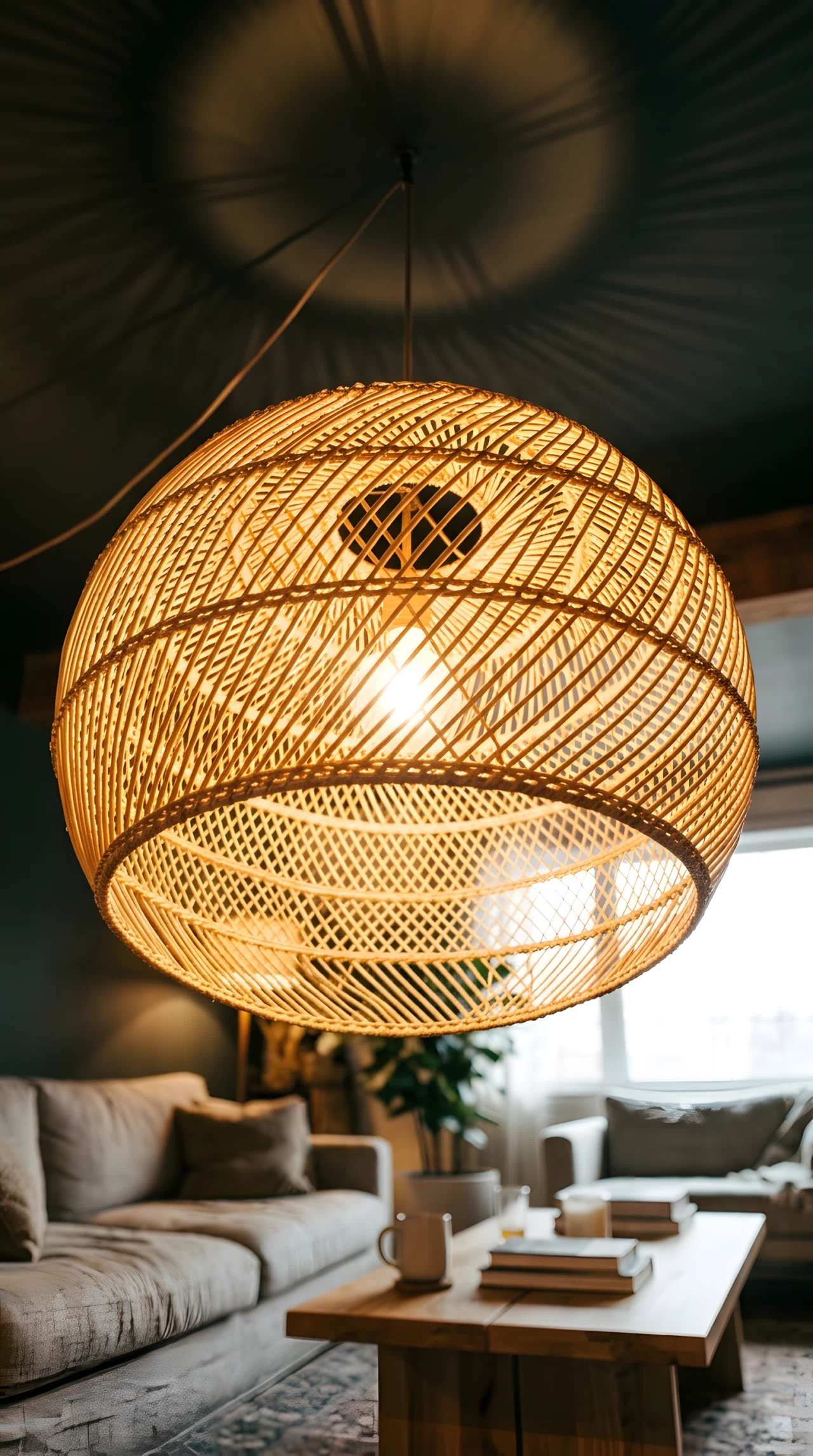
The ceiling is the most underused surface in most living rooms. Replacing a basic flush-mount fixture with a sculptural pendant, a cluster of hanging bulbs, or an oversized chandelier immediately elevates the room in a way no throw pillow can match. Statement lighting is also one of the highest-performing categories on Pinterest home boards.
7. Try Color Drenching on One Wall
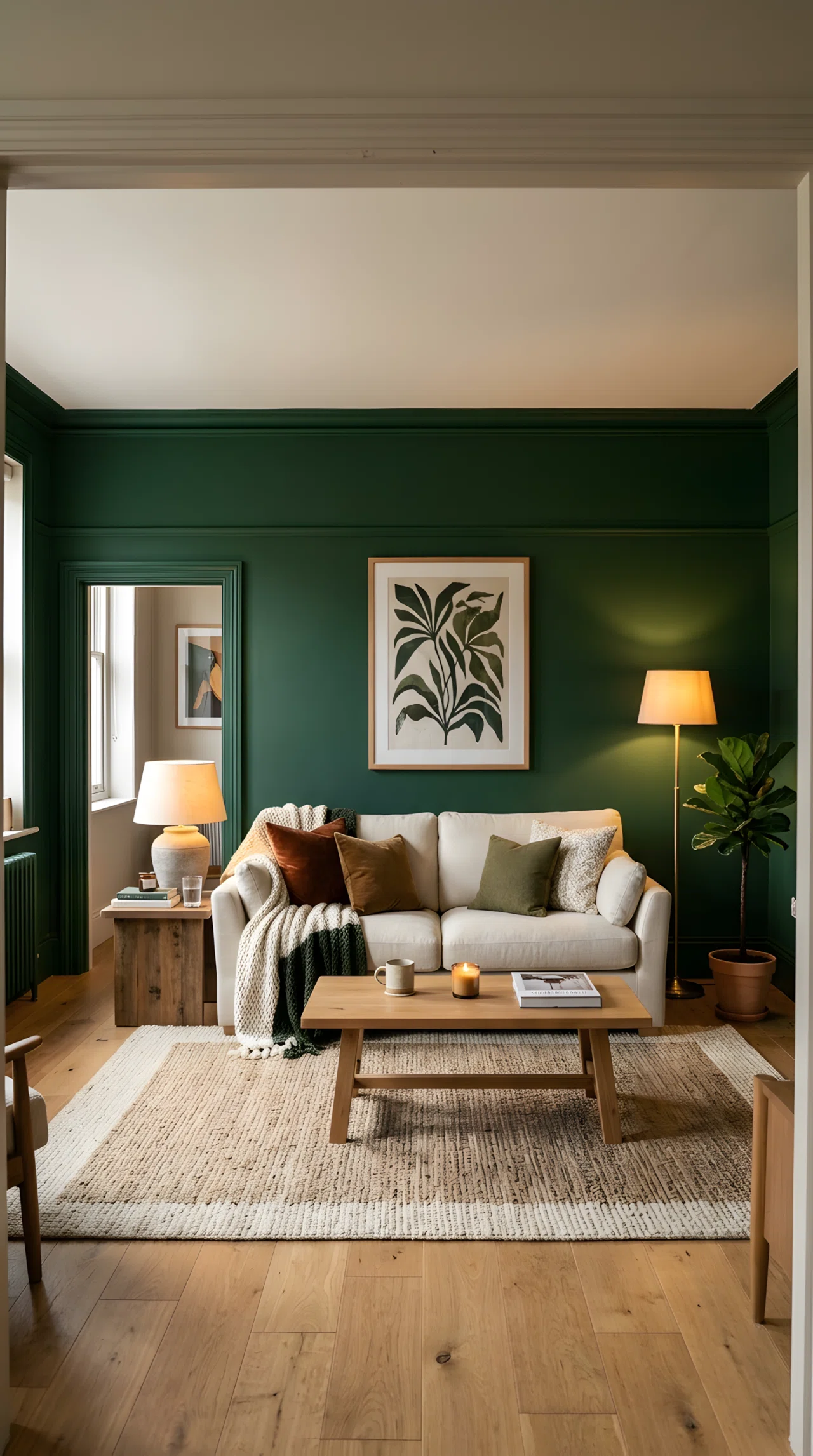
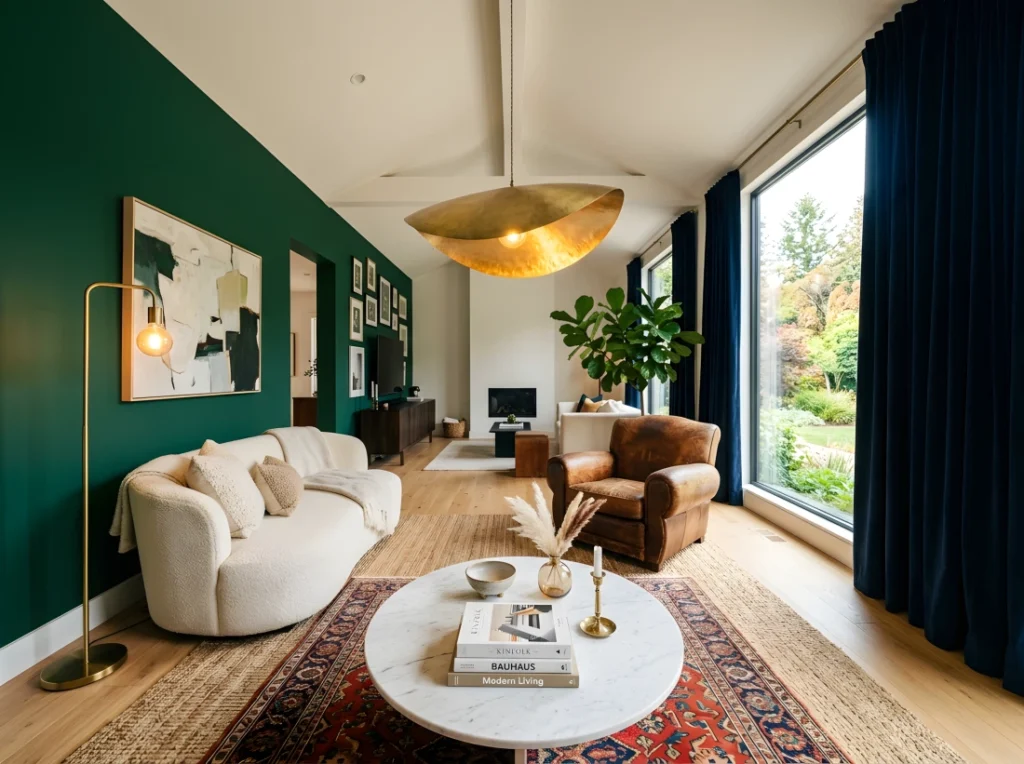
Color drenching — painting a wall, its trim, and any built-ins in the same rich shade — creates a depth and intentionality that standard accent walls can’t achieve. Deep blue, forest green, and warm terracotta are the strongest performers for living rooms in 2026.
The trick is going slightly darker than feels comfortable; rooms with enough natural light almost always handle it better than expected.
8. Style the Coffee Table Like a Still Life
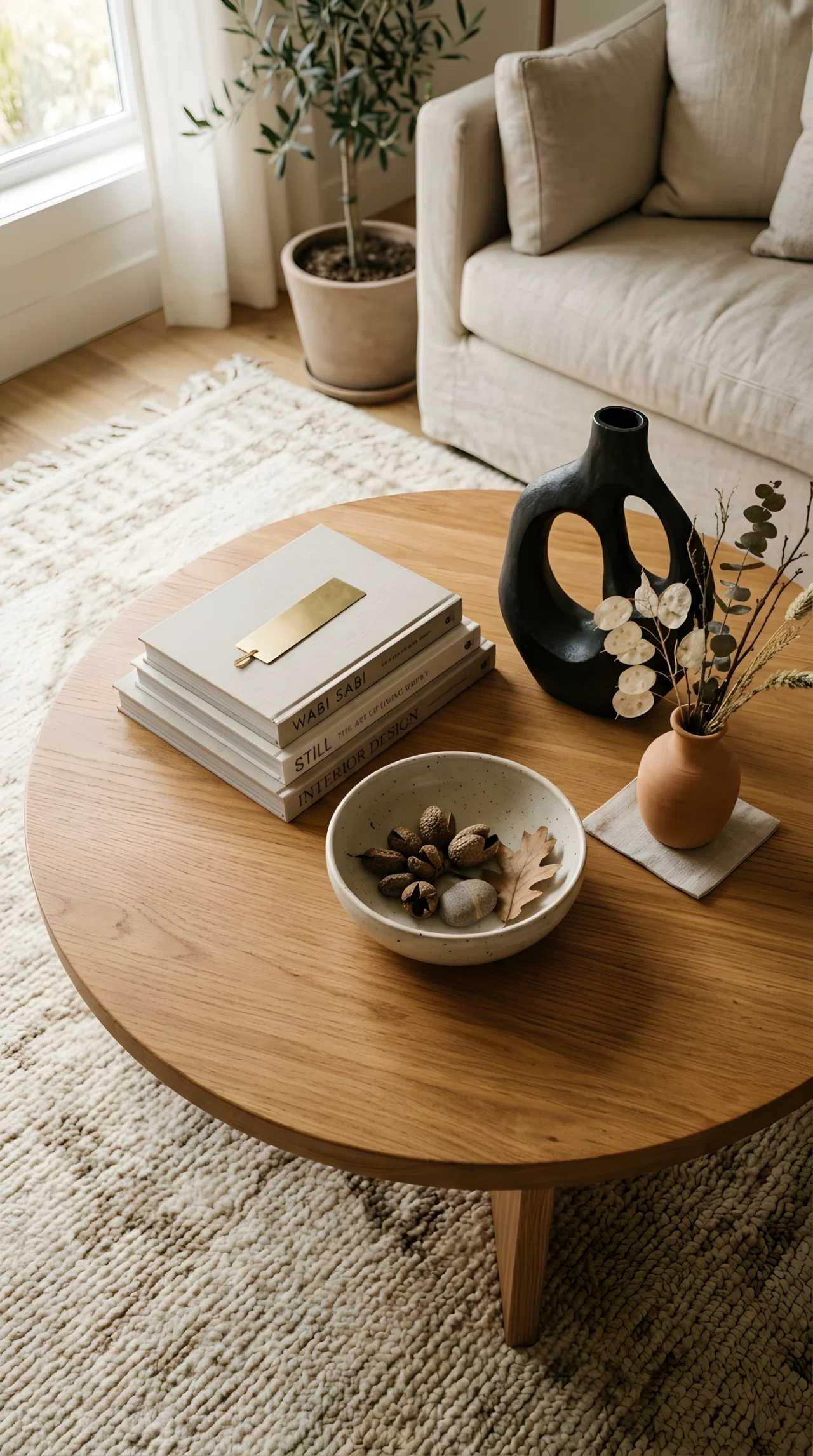
A coffee table with nothing on it looks unfinished. One with too much looks cluttered. The right amount is usually three to five objects at varying heights: a stack of books, a low bowl or tray, one sculptural object, and something organic like a small plant or dried branches. Remove everything first, then add back only what earns its place.
9. Hang Art at the Right Height
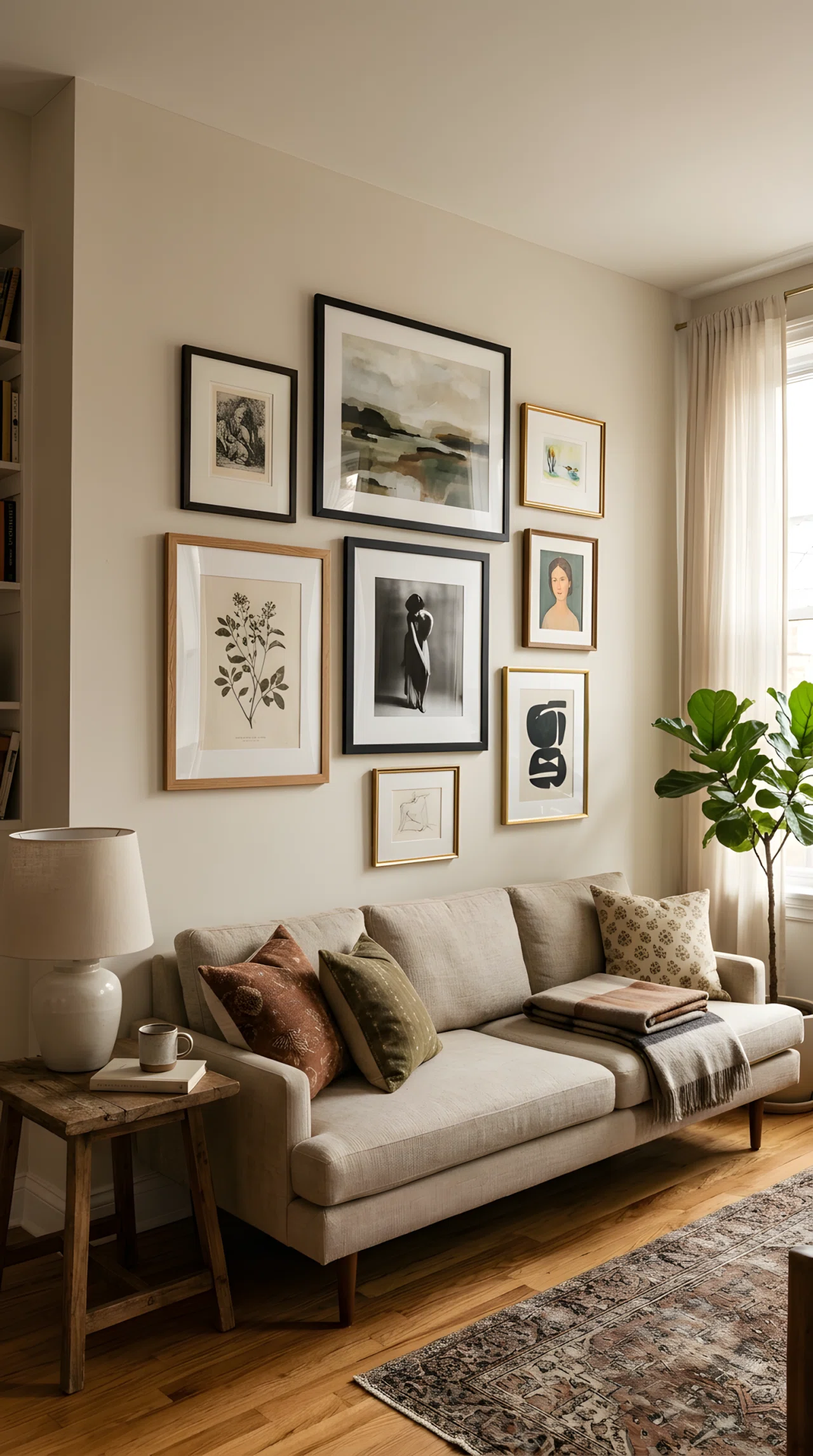
Most wall art is hung too high. The center of any piece should sit at approximately 145–150cm from the floor — roughly eye level for a standing adult — regardless of ceiling height.
Art at the correct height grounds the room and connects to the furniture below it. When in doubt, go lower; the room will feel more intimate.
10. Invest in One Thick-Framed Vintage-Style Art Piece
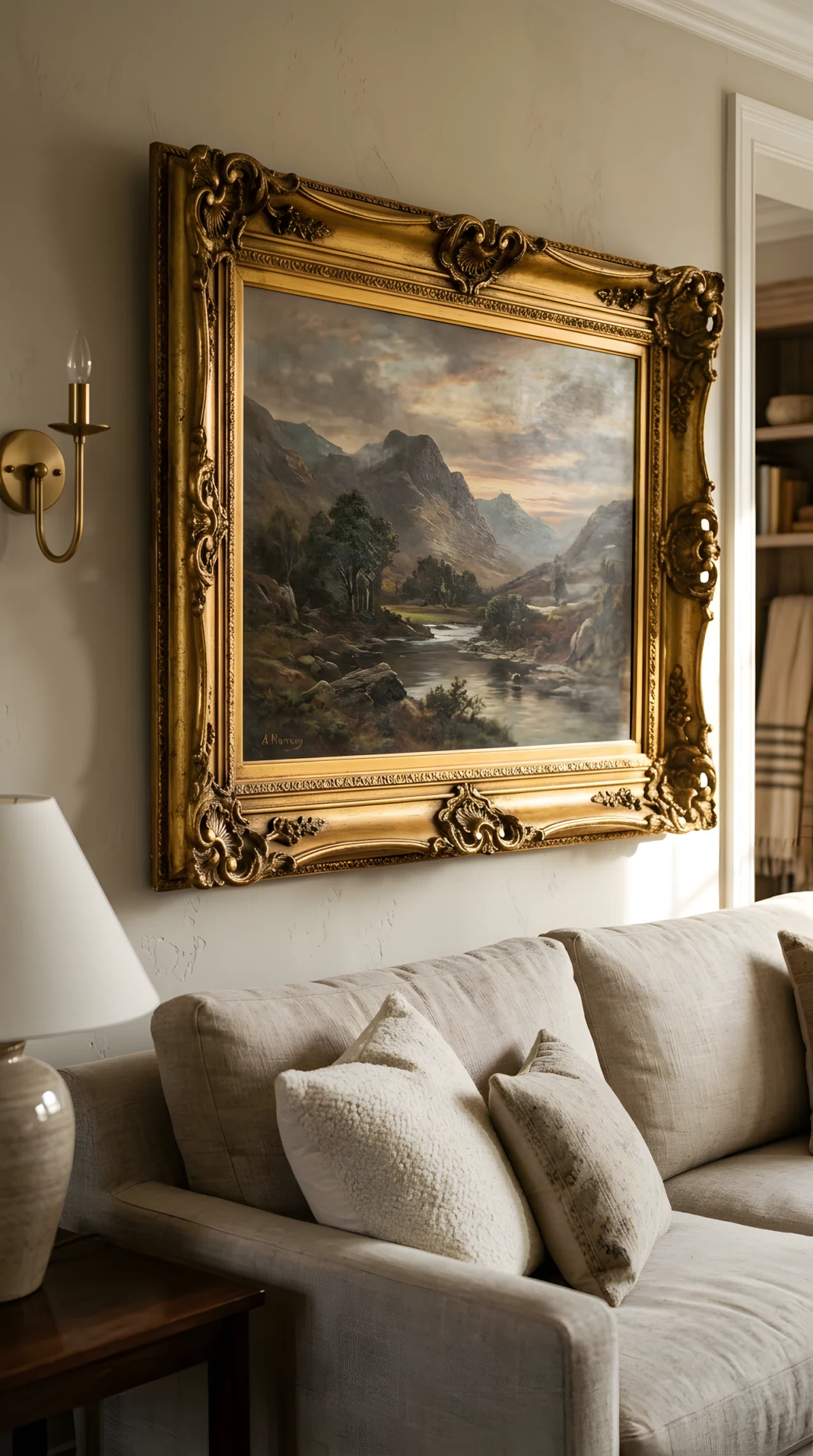
The design world has been moving away from thin, delicate frames for the past year, with thick ornate and vintage-style frames making a strong comeback in 2026.
A single large piece in a substantial frame above the sofa adds instant soul and visual weight that a gallery of thin-framed prints rarely achieves. Thrift stores and estate sales are the best source for frames with genuine character.
11. Use a Bookshelf as a Room Divider
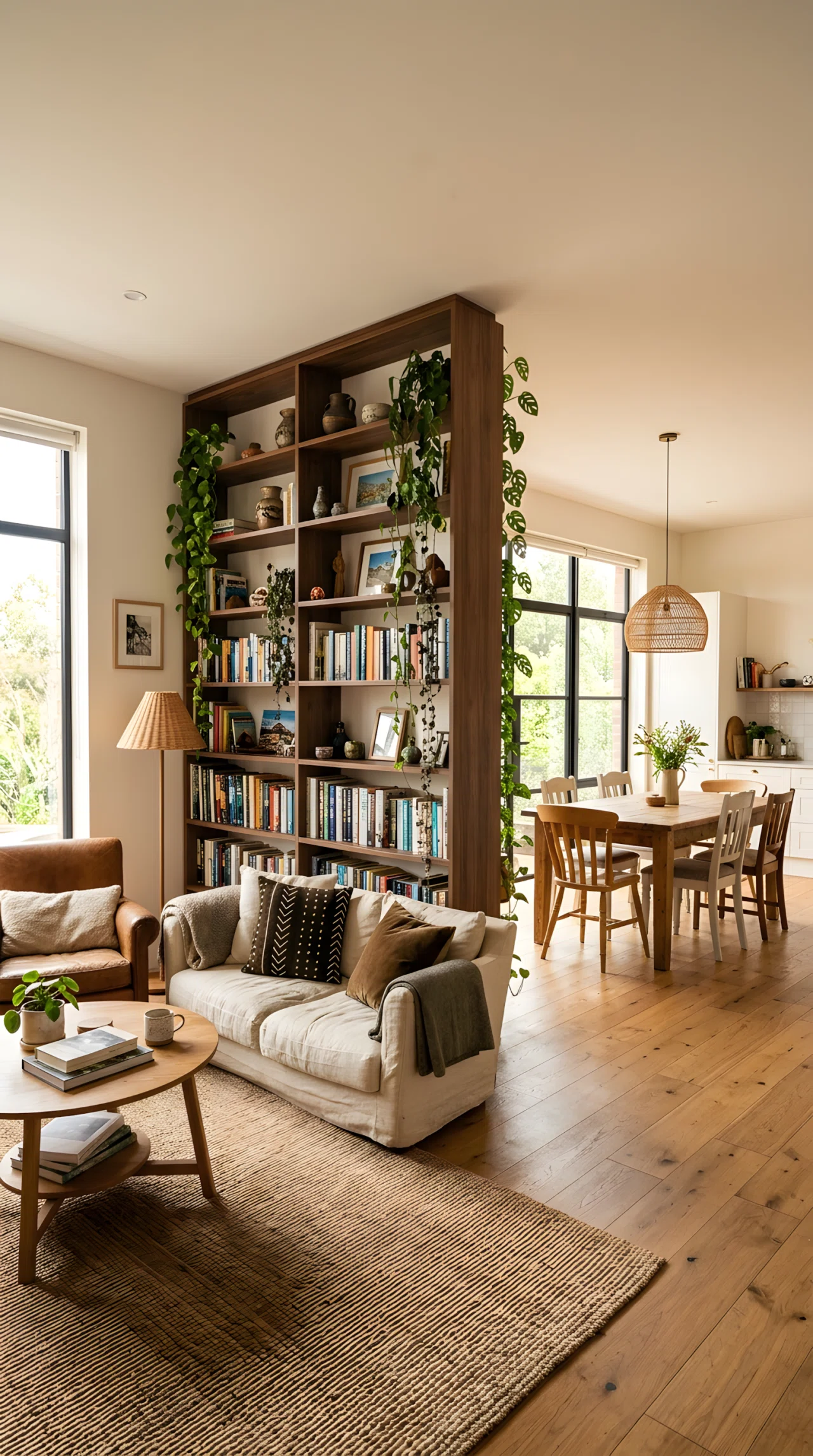
In open-plan spaces, a tall bookshelf placed perpendicular to the wall creates a natural division between the living area and the dining or kitchen zone without closing off the space entirely.
Style it with a mix of books, objects, and plants — roughly 70% filled — so it reads as a design feature rather than pure storage. The back of the bookshelf, visible from the other side, can be painted an accent color for added interest.
12. Pull in One Piece of Heirloom-Style Textile
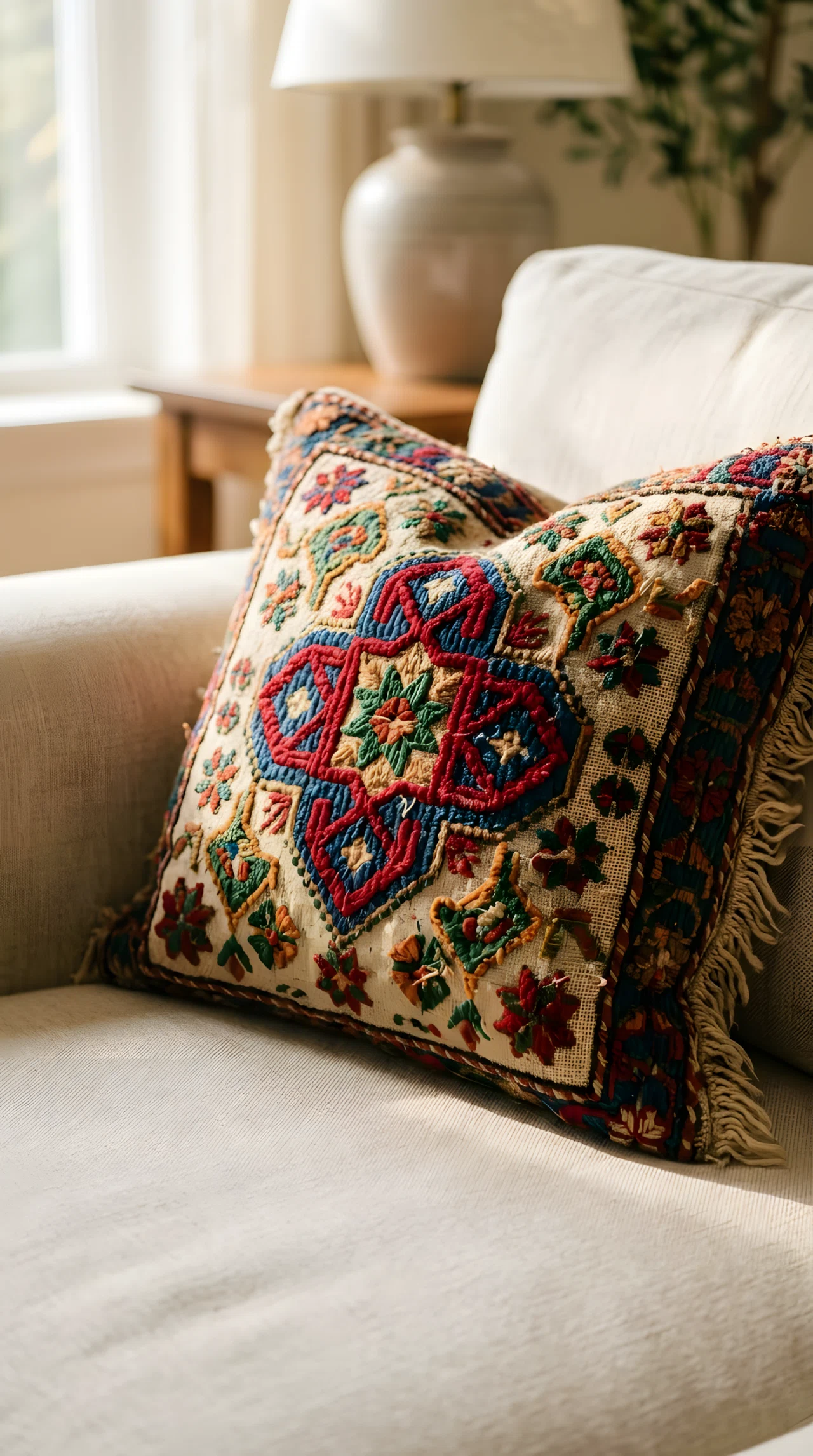
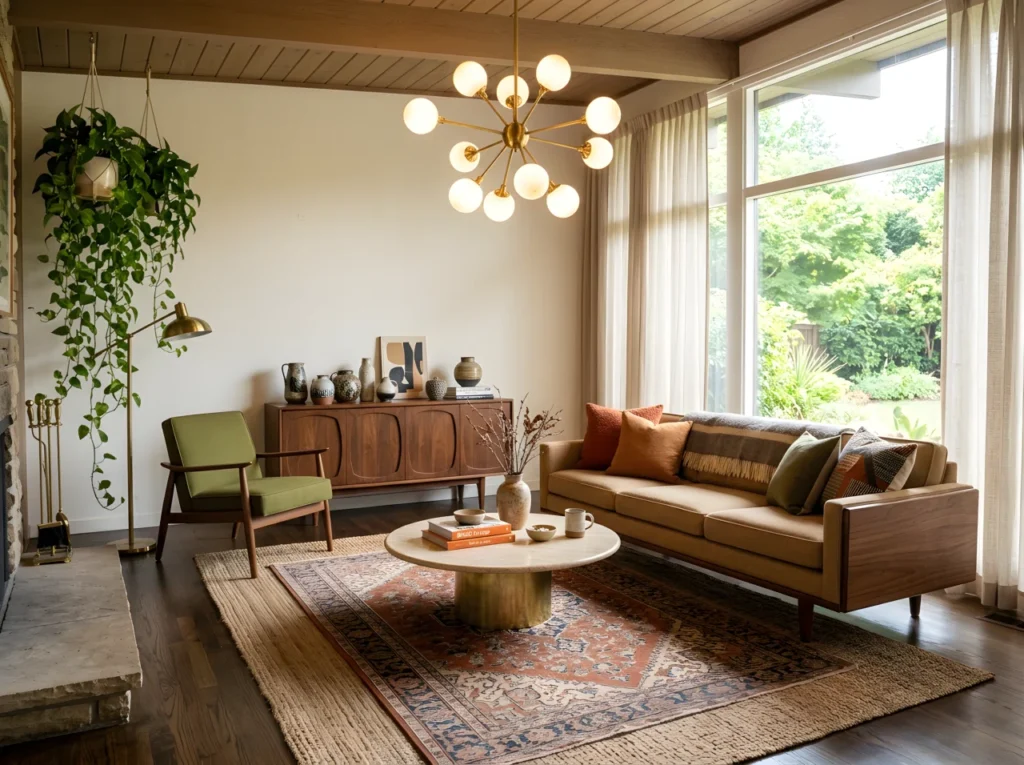
A vintage quilt draped over a sofa arm, an antique kilim rug, or a hand-embroidered cushion cover adds a layer of history and craft that no new purchase can fully replicate.
Heirloom textiles are among the most-saved living room items on Pinterest in 2026, driven by a shift toward rooms that feel personal rather than generic. One piece is usually enough to change the entire character of a room.
13. Create a Reading Corner in a Dead Zone
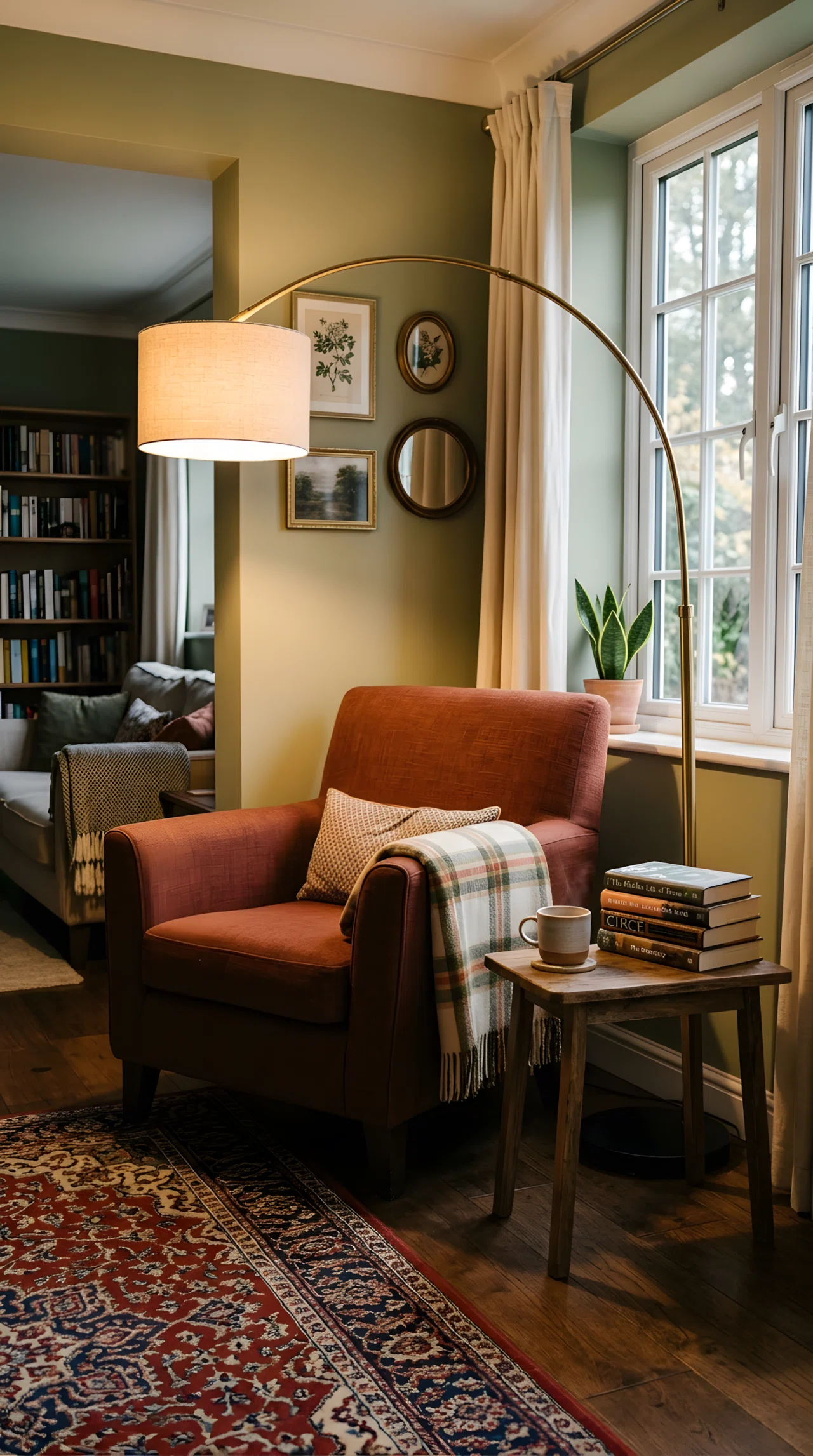
Most living rooms have at least one underused corner — the one that collects random objects and never quite becomes anything. A single armchair, a floor lamp angled over the shoulder, and a small side table transforms that dead zone into the most intentional corner in the room.
It also gives the living room a secondary focal point beyond the sofa-and-TV axis that most rooms default to.
14. Bring Plants in at Two or More Heights
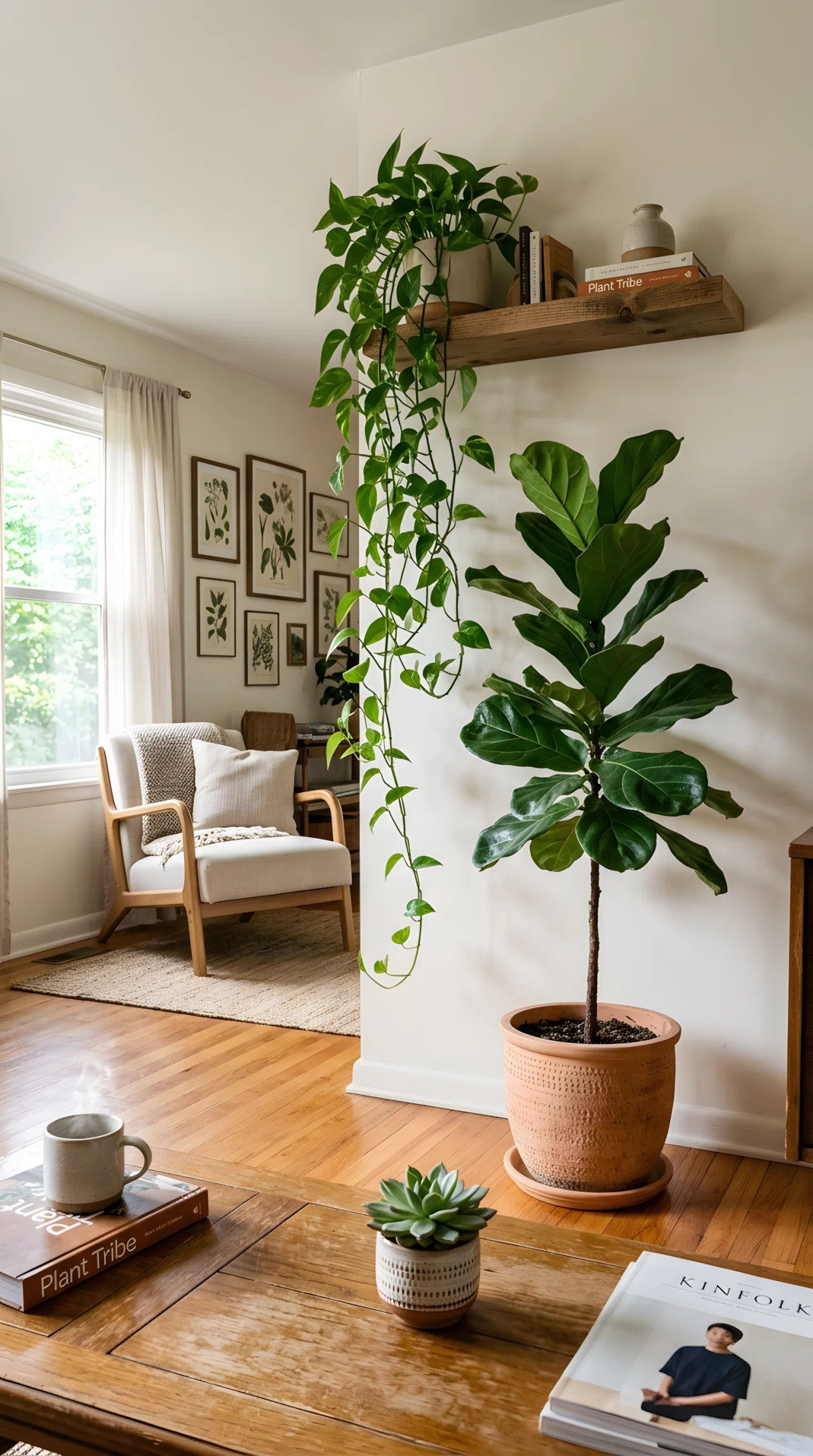
A single plant on a shelf looks like an afterthought. Two or three plants at different heights — a floor plant in one corner, a trailing plant on a high shelf, a small potted succulent on the coffee table — create an organic layering that makes the whole room feel more alive.
Choose varieties that suit the actual light conditions of the room rather than the ones that photograph best, so they stay healthy long-term.
15. Edit Down Before Adding Anything New
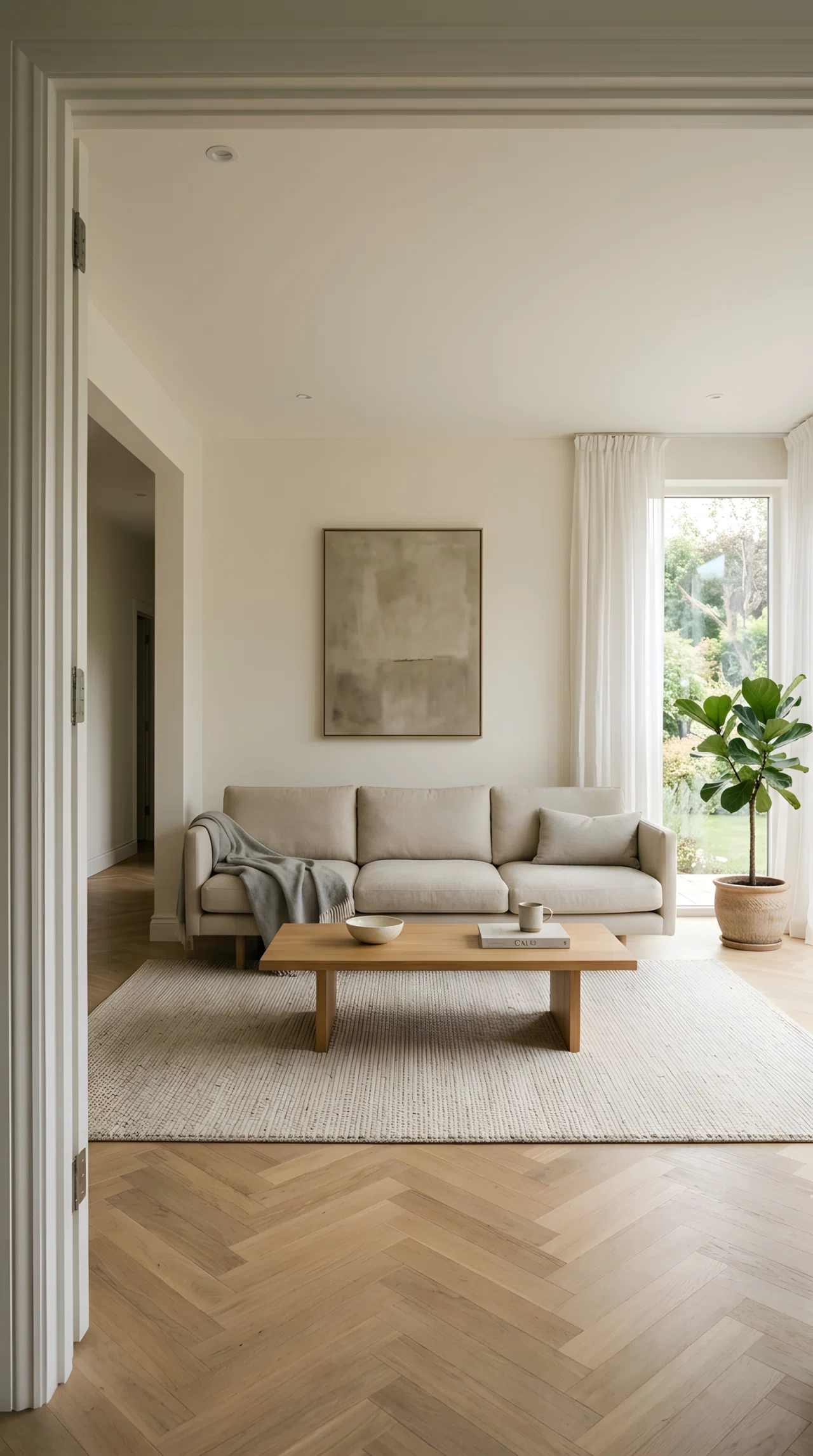
The fastest way to make a living room feel pulled together costs nothing: remove half of what’s on display and live with the result for a week. Most rooms are one editing session away from feeling intentional.
Negative space makes whatever remains look chosen, and what genuinely earns its place back will be obvious after a few days without it.
A living room that feels pulled together isn’t the result of spending more — it’s the result of deciding more. Pick two or three ideas from this list, make those changes, and let the room settle before adding anything else.