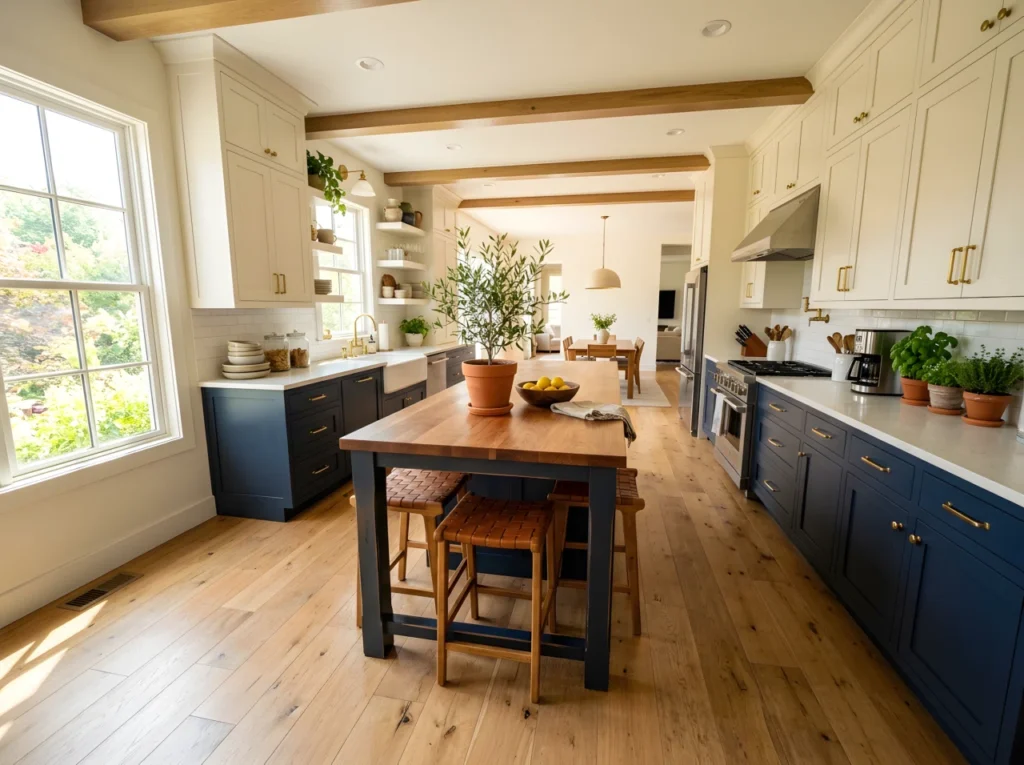
Your kitchen cabinets set the entire mood of your home, yet most people pick them last minute and regret it for years. A color you rushed to choose or a layout that ignores how you actually move around the room becomes the thing you stare at every single morning.
The good news is small changes fix this fast. Below are cabinet ideas that mix color, layout, and texture so your kitchen finally feels intentional, functional, and worth showing off.
1. Mix Two Cabinet Colors for Instant Visual Depth
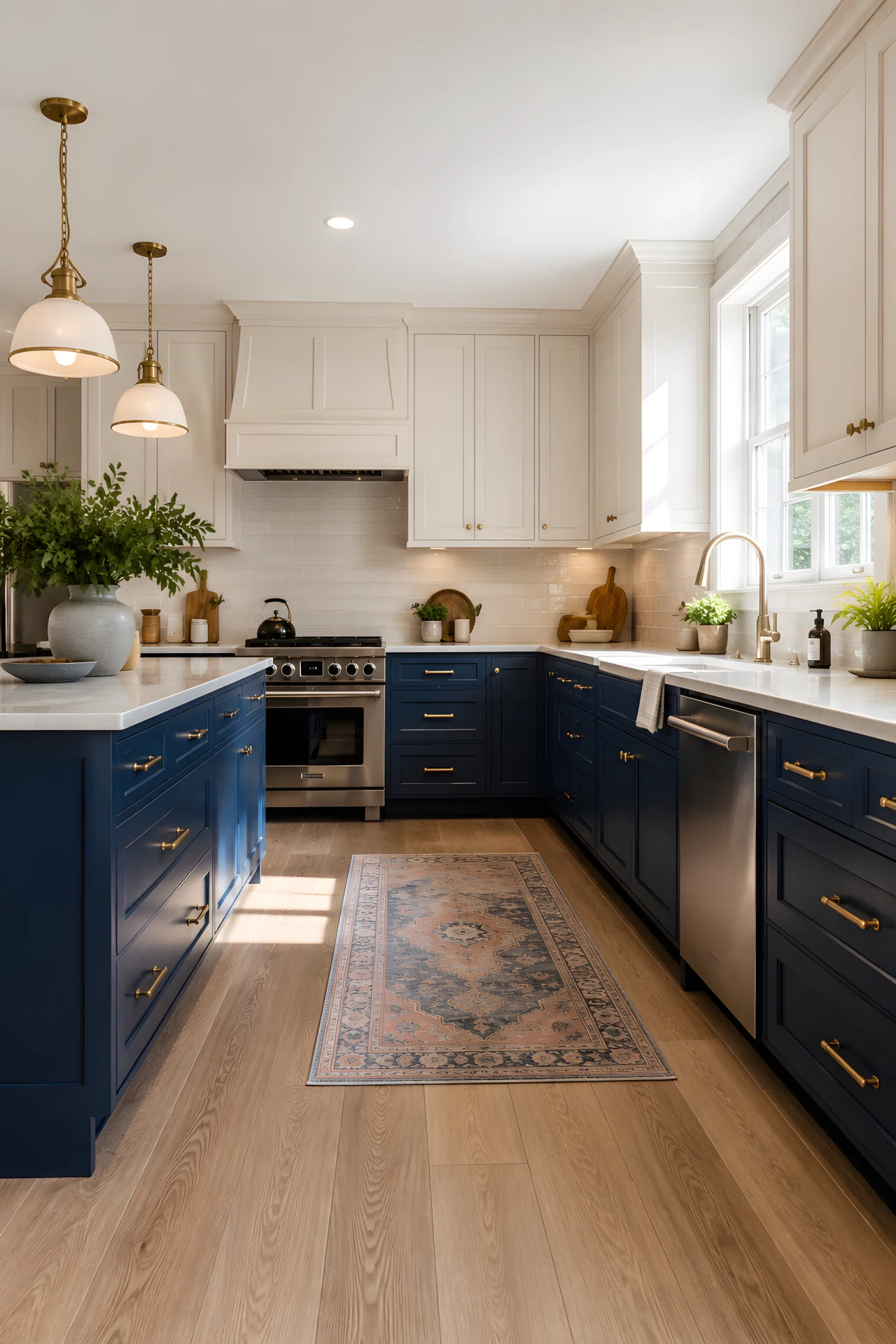
Pairing two cabinet colors is one of the easiest ways to make a kitchen feel custom without a full renovation. Try a darker tone on the lower cabinets and a lighter shade up top, this keeps the room grounded while still feeling open and bright.
The contrast also draws the eye to your island or backsplash, giving the space a designed look. It works in both small and large kitchens, and it never feels dated like an all-white kitchen.
2. Choose Warm Neutral Cabinets for a Timeless Base
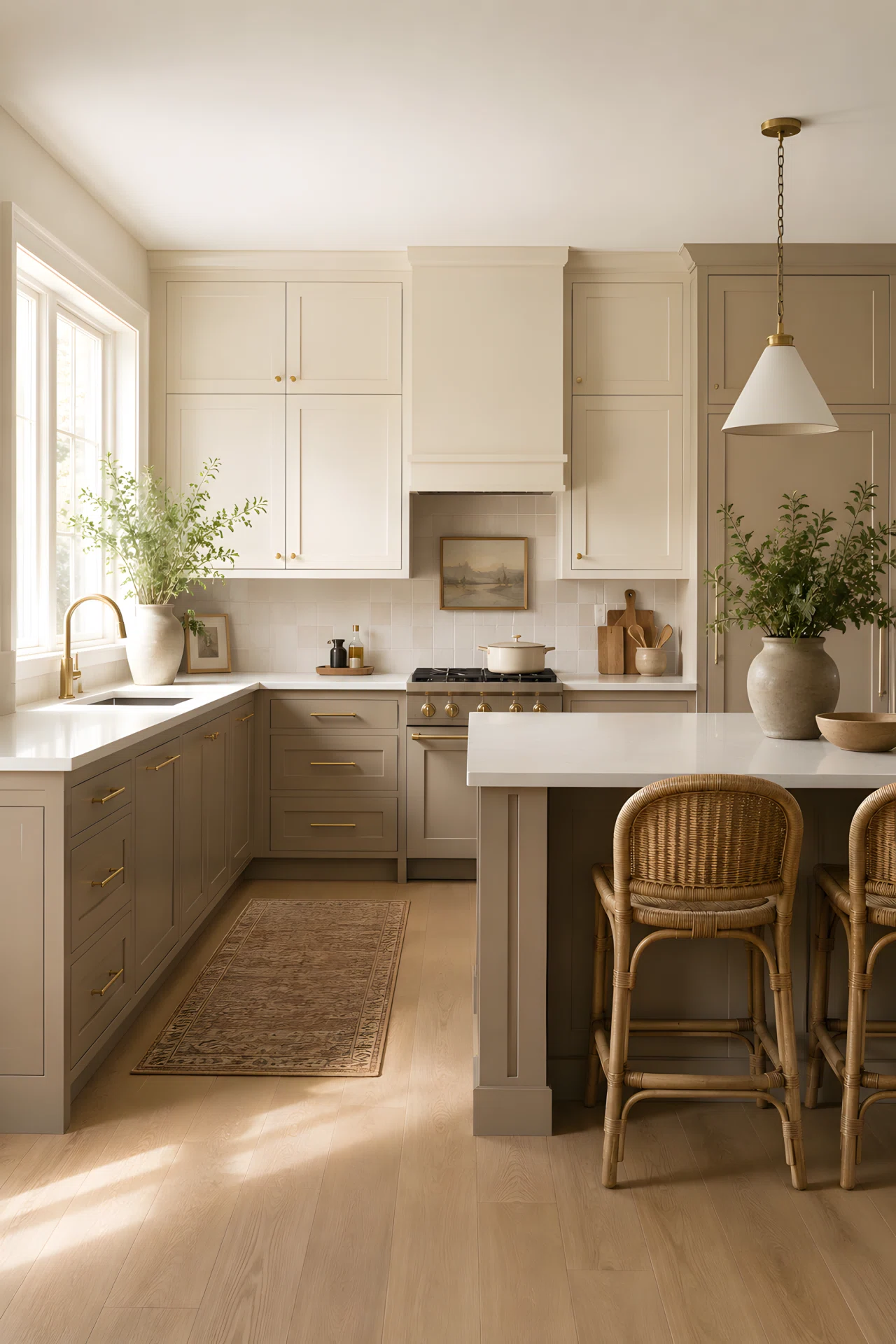
Warm neutral cabinets in beige, cream, and taupe remain one of the most searched kitchen cabinet ideas on Pinterest right now. They give your kitchen a soft, calming base that pairs easily with almost any countertop or backsplash you choose later.
Unlike stark white, warm neutrals hide daily wear better and feel cozier under both daylight and evening light. This makes them a smart pick if you plan to update small details over time instead of committing to one bold trend.
3. Use Floor-to-Ceiling Cabinets to Maximize a Small Kitchen
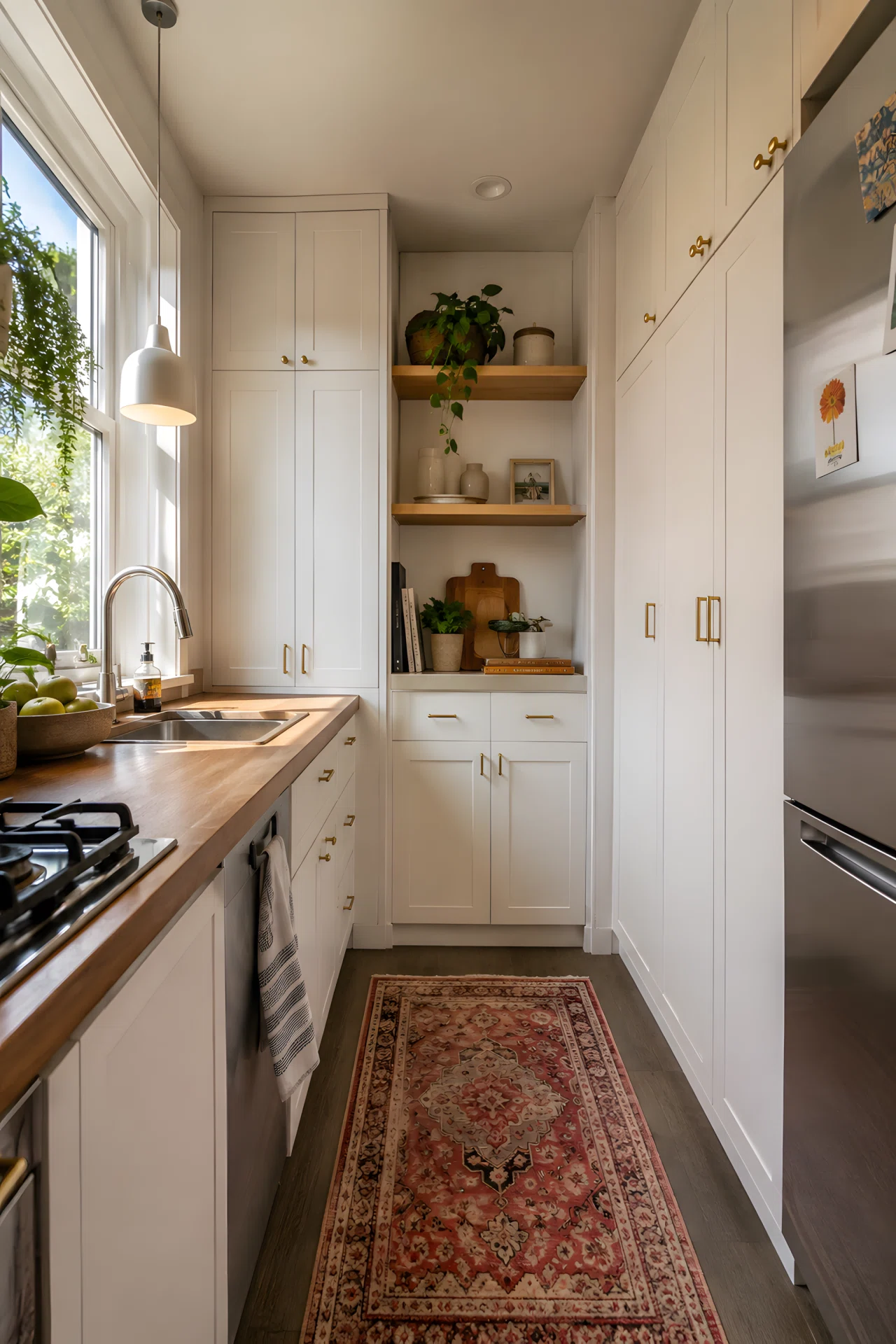
Small kitchens need cabinets that work harder, not just look nice. Extending your cabinets all the way to the ceiling adds real storage space for items you rarely use, while making the room feel taller instead of cramped.
Skip the awkward gap most kitchens have above the upper cabinets. That empty space collects dust and does nothing for you, so closing it off with more cabinetry instantly makes a small kitchen feel more finished and intentional.
4. Add Under-Cabinet Lighting Where You Actually Need It
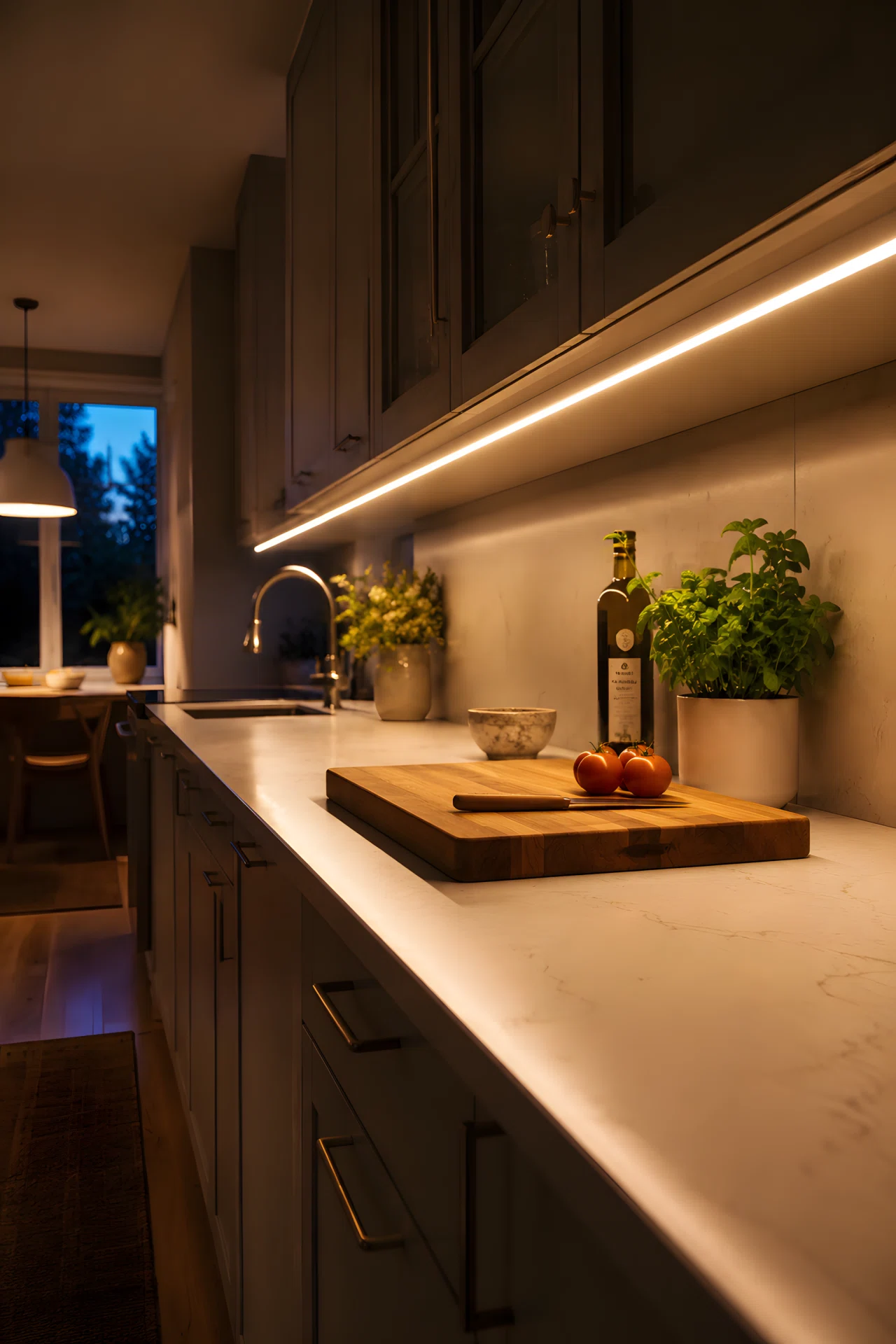
Under-cabinet lighting only works if it hits your countertop, not just the wall behind your backsplash. Position the strip near the front edge of the cabinet so light falls directly on your prep area, not just for looks but for actual visibility while cooking.
Placed correctly, this small addition removes shadows cast by upper cabinets and makes chopping, reading recipes, and cleaning up far easier after dark.
5. Try Fluted Cabinet Panels for Texture Without Extra Color
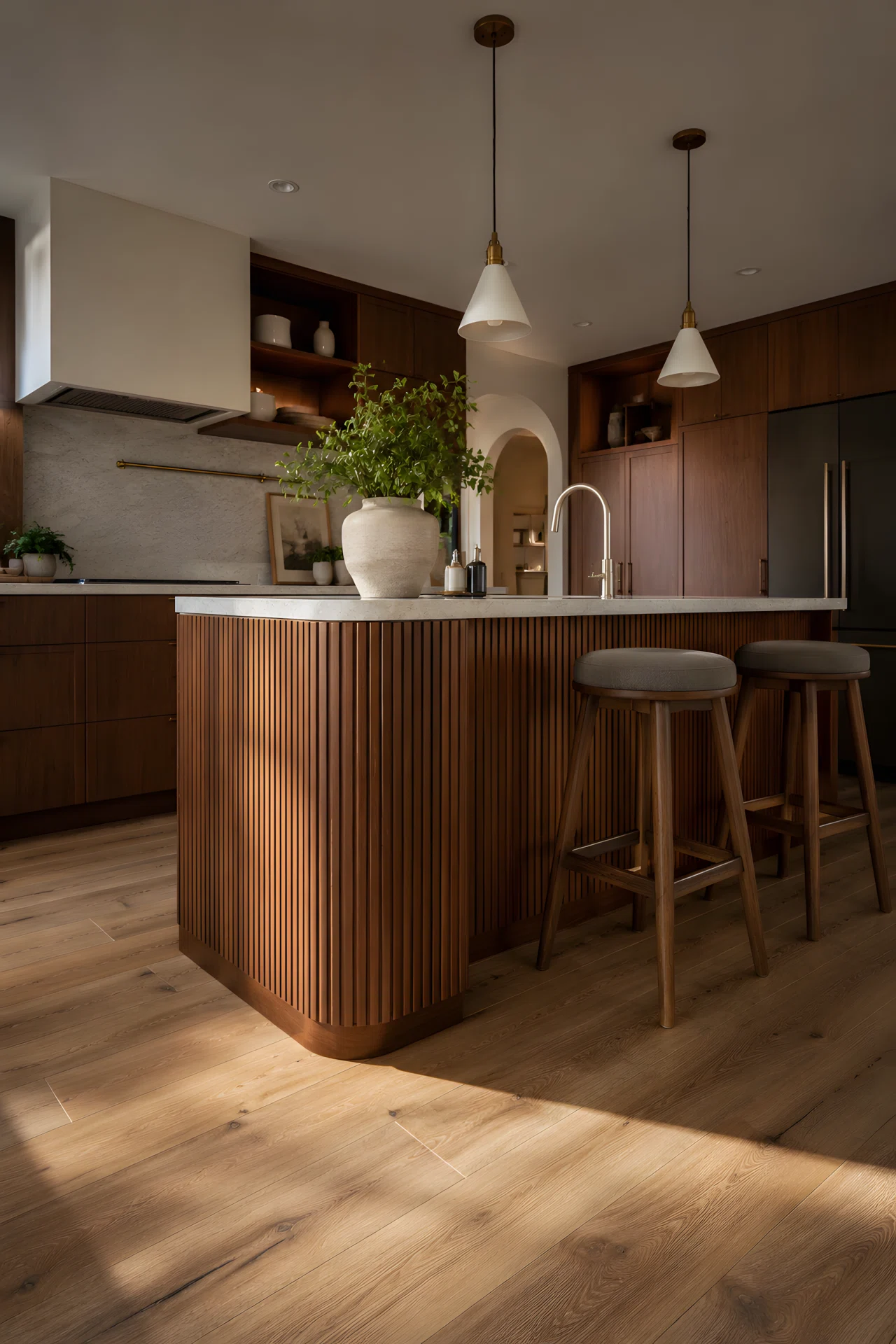
Fluted or ribbed cabinet panels add texture to a kitchen without introducing another color into the mix. The grooves catch light differently throughout the day, giving flat cabinet doors a handmade, high-end feel.
This detail works especially well on an island or a row of lower cabinets, where the texture becomes a focal point instead of competing with your backsplash or hardware.
6. Add Shaker-Style Cabinets for an Effortless Farmhouse Feel
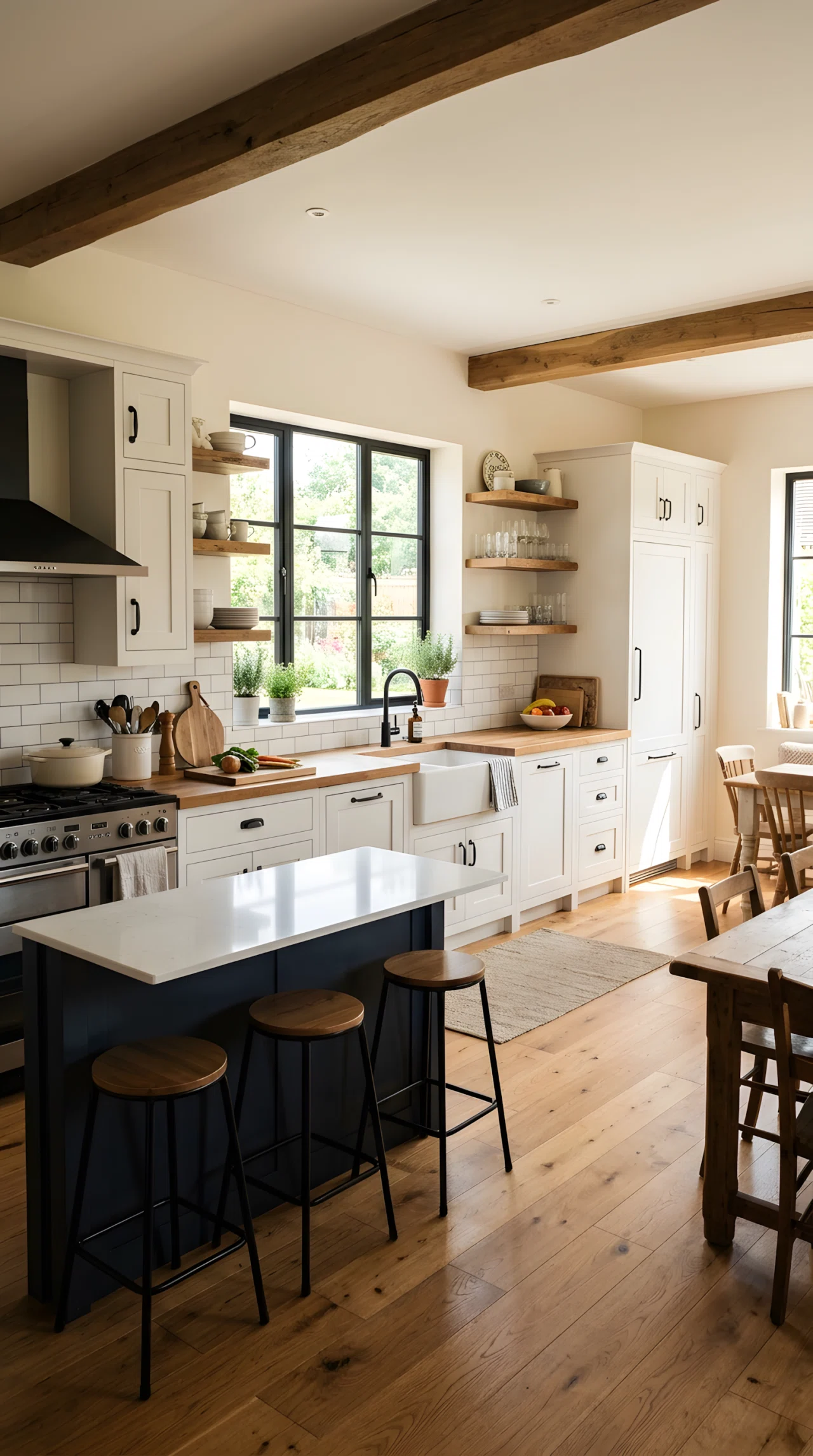
Modern farmhouse kitchens lean on shaker-style cabinet doors because the simple recessed panel never competes with the rest of the room. The clean lines work with almost any hardware, so you can dress the kitchen up or down depending on your style.
Pair the doors with a farmhouse sink and open beams if you have them, but even without those extras, shaker doors alone give a kitchen that lived-in, welcoming character people search for on Pinterest.
7. Go Bold with Deep Charcoal or Black Cabinets
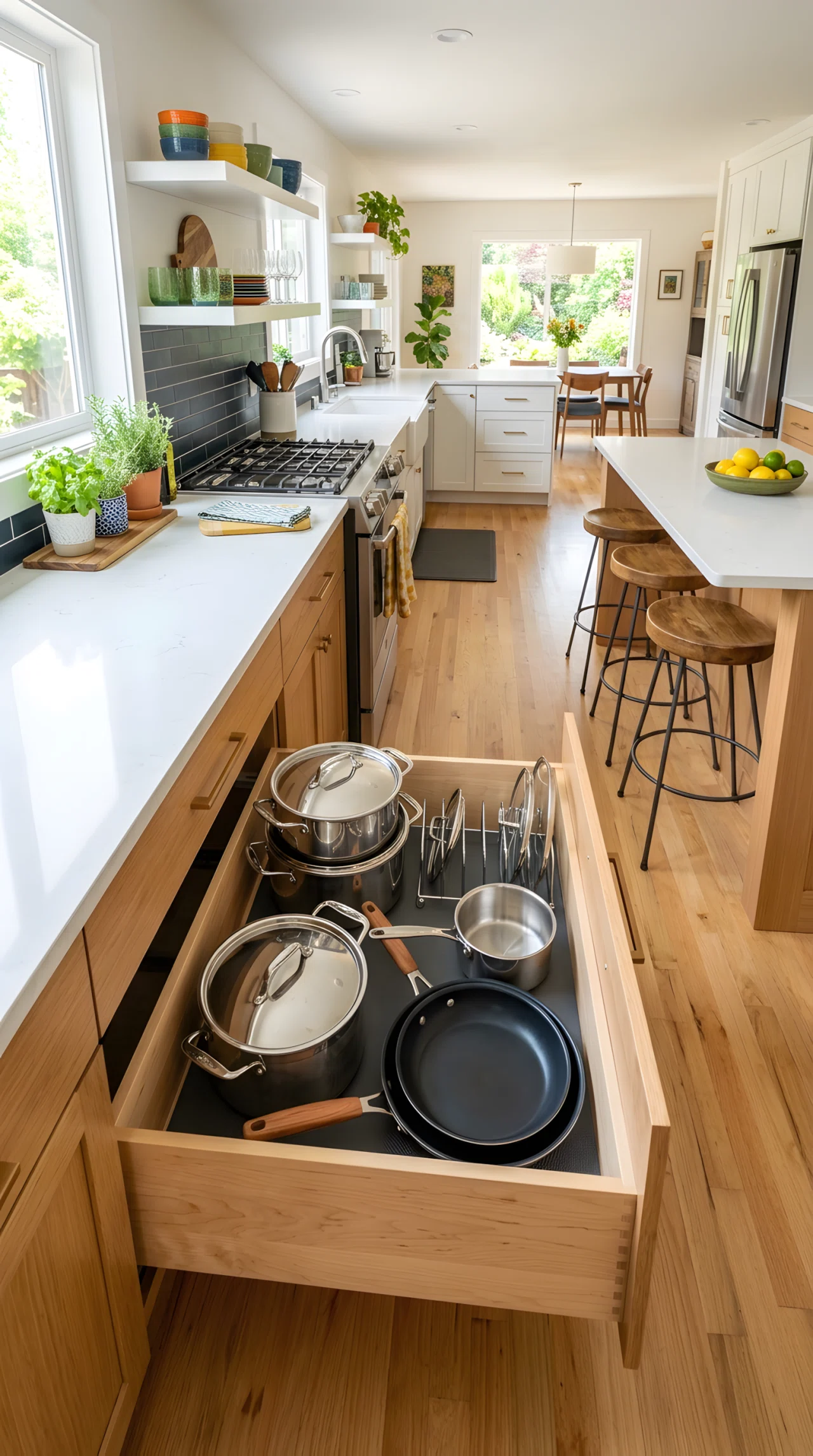
Deep charcoal and black cabinets are having a real moment, and for good reason. Dark tones make a kitchen feel intentional and grounded, especially when paired with lighter countertops or a pale stone backsplash for contrast.
Dark cabinets also hide fingerprints and daily smudges better than most people expect, which makes them more practical than they look. In a smaller kitchen, keep dark cabinets on the lower half only so the room still feels open.
8. Break Up Closed Cabinets with a Few Open Shelves
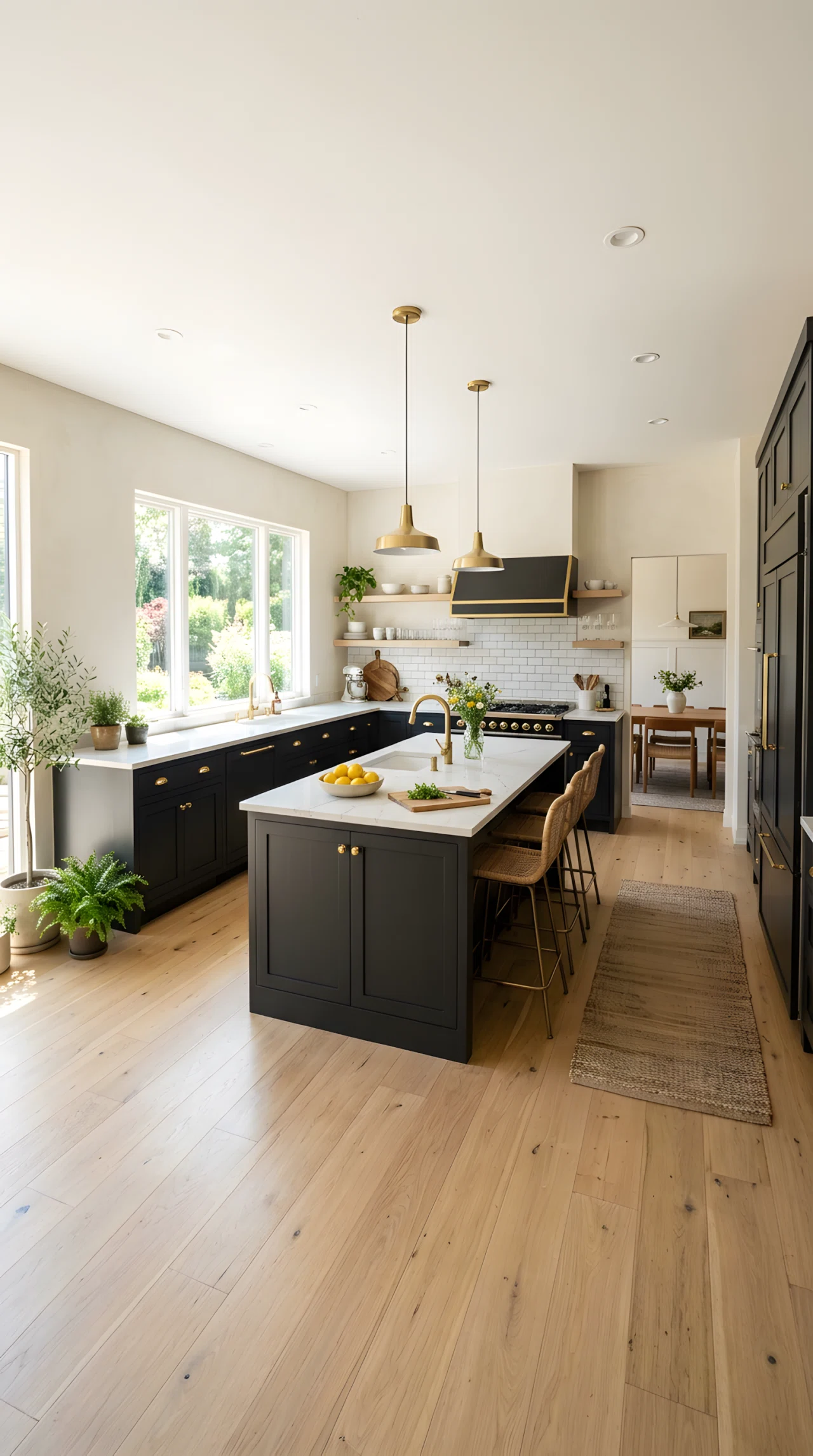
A row of open shelves between your upper cabinets breaks up the visual weight of a wall full of closed doors. It gives you a spot to display everyday dishes or a few plants, which makes the kitchen feel more personal.
Keep the open section small, just one or two shelves is enough. Too much open shelving turns into a styling chore, but a little bit adds warmth without sacrificing the storage your closed cabinets already give you.
9. Install Pull-Out Drawers Instead of Deep Fixed Shelves
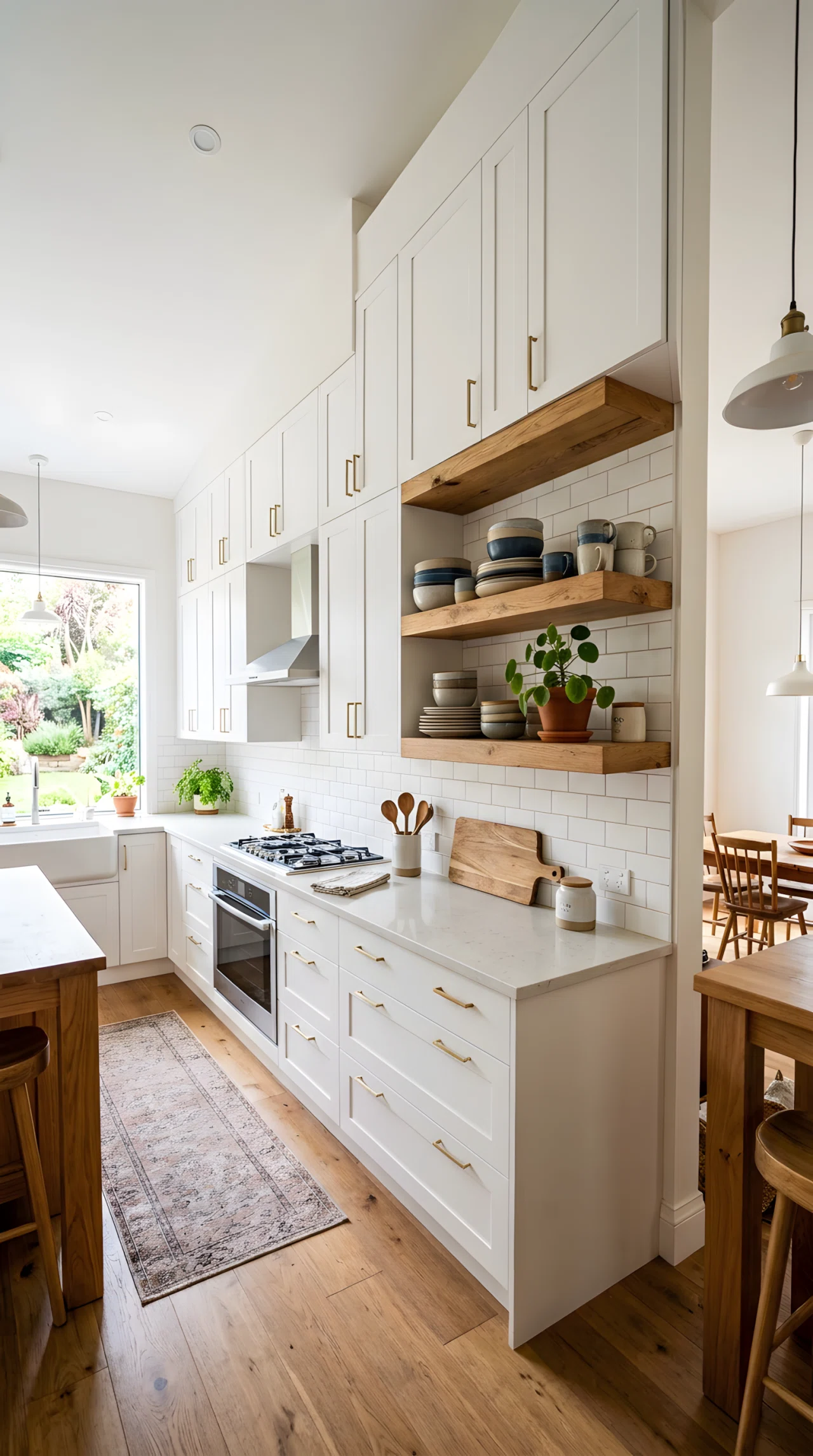
Deep fixed shelves inside base cabinets waste space and hide whatever gets pushed to the back. Swapping them for pull-out drawers means you can actually see and reach pots, pans, or pantry items without digging around on your knees.
This upgrade costs less than a full cabinet replacement and fits into cabinets you already own. It is one of the most requested kitchen cabinet ideas for anyone who cooks often.
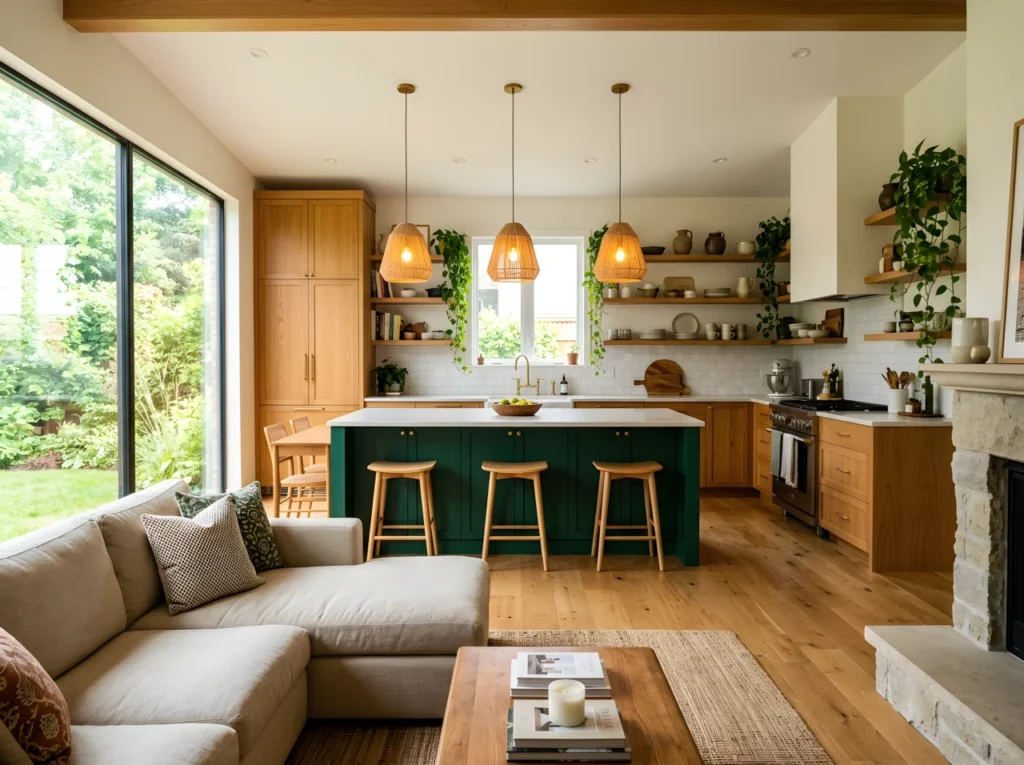
10. Combine Wood and Painted Cabinets in the Same Kitchen
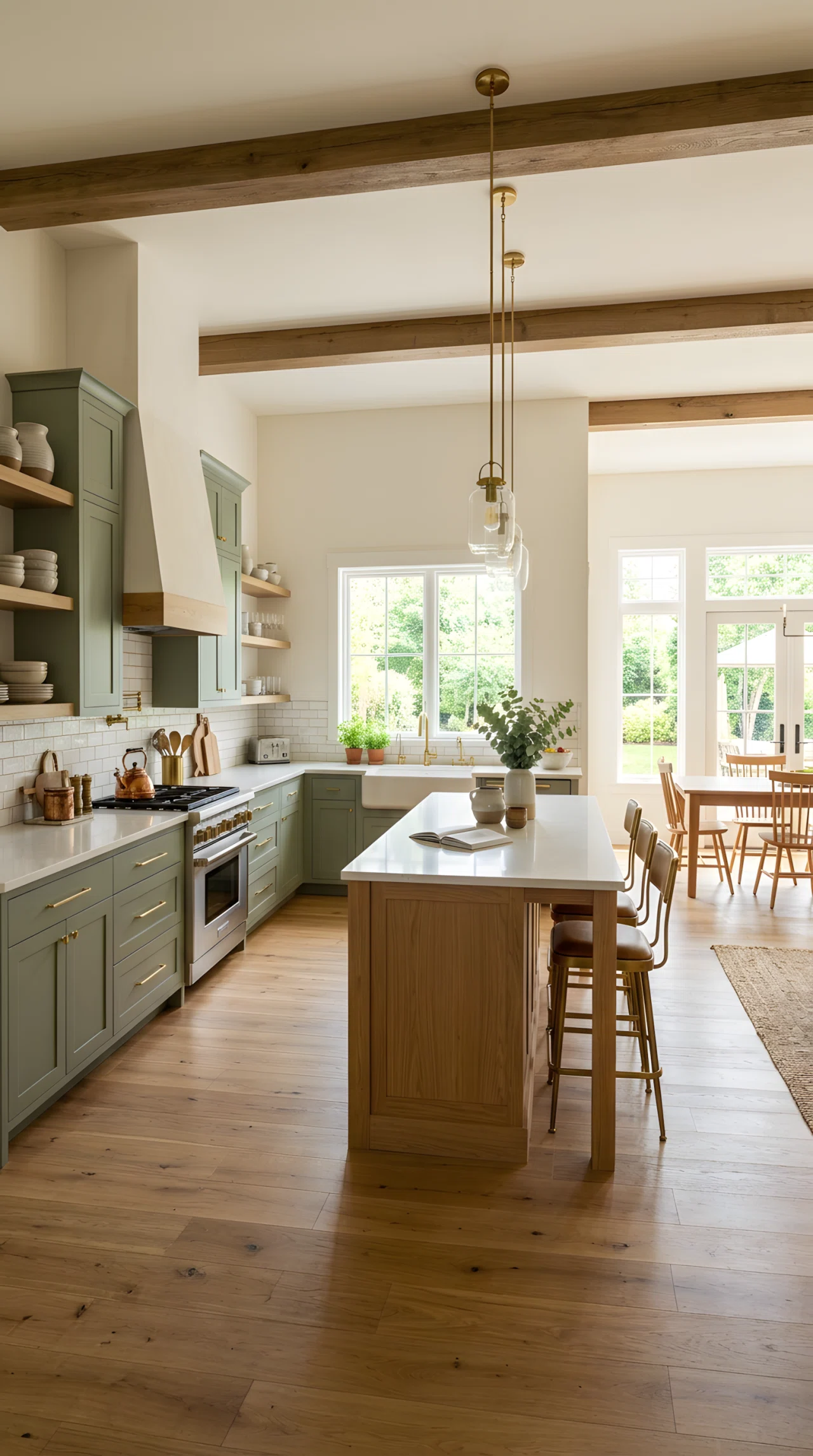
Mixing a wood cabinet finish with a matte painted finish gives a kitchen texture without needing a full remodel. Use wood on the island and painted cabinets on the perimeter, or the reverse, so one material anchors the room while the other adds contrast.
This combination photographs beautifully for Pinterest because it reads as curated rather than mismatched. It also lets you update just one material later if your style changes, instead of redoing the whole kitchen at once.
11. Swap a Few Solid Doors for Glass-Front Cabinets
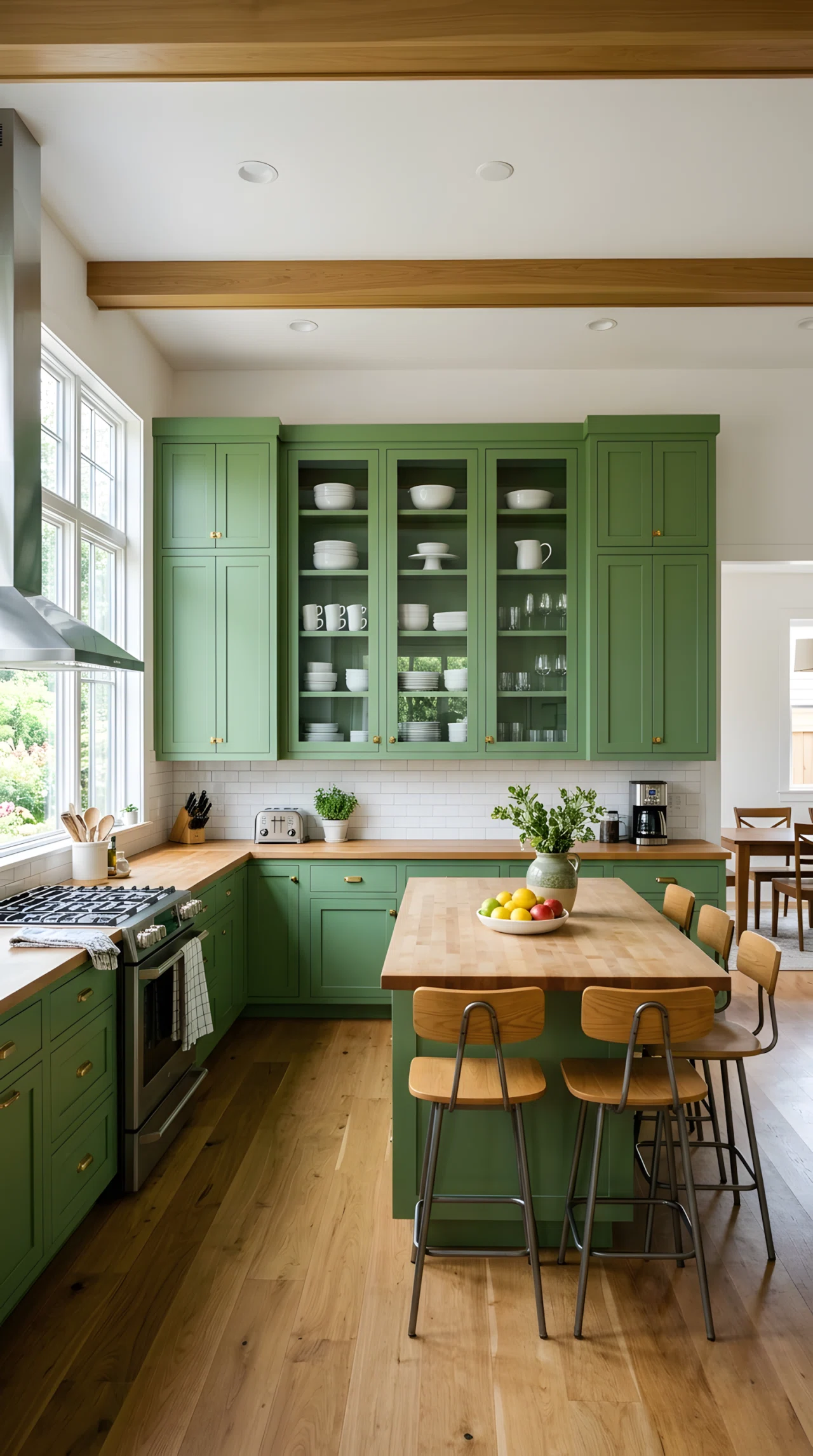
Glass-front cabinets break up a wall of solid doors and give you a place to show off nice dishware instead of hiding everything away. Choose two or three cabinets near eye level so the glass feels intentional, not scattered across the whole kitchen.
Keep what’s inside tidy since everything becomes visible. Matching plates, glassware, or a few plants behind the glass turn ordinary storage into a feature that photographs well for Pinterest.
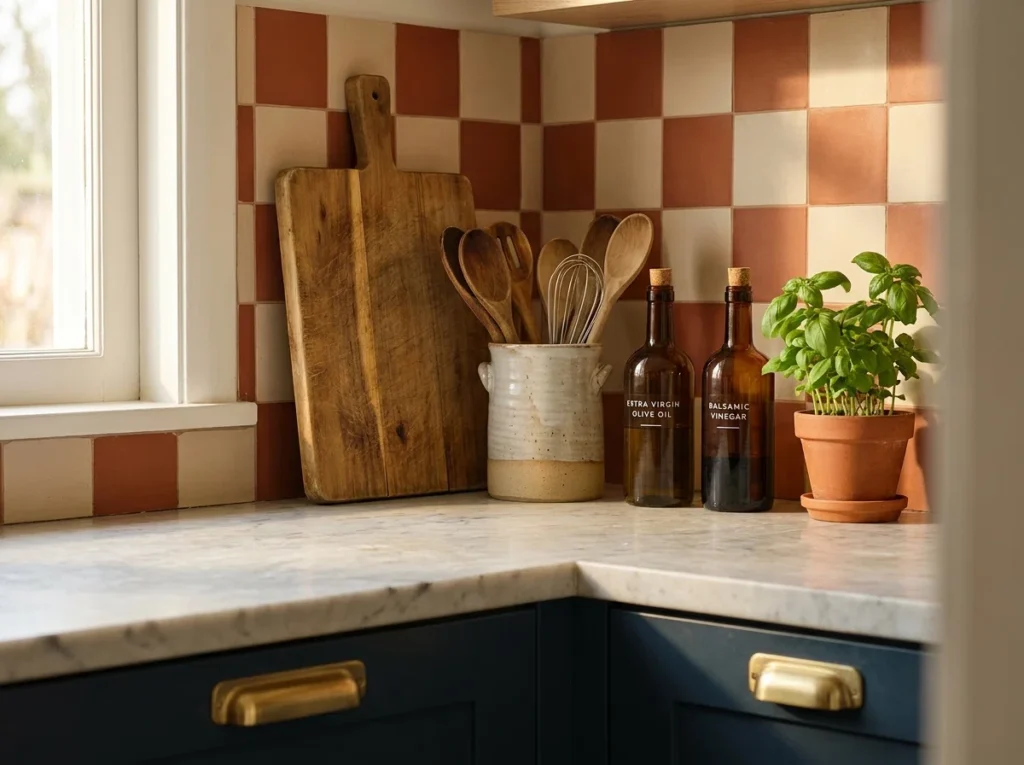
12. Try Earthy Terracotta or Olive Cabinets for a Warmer Look
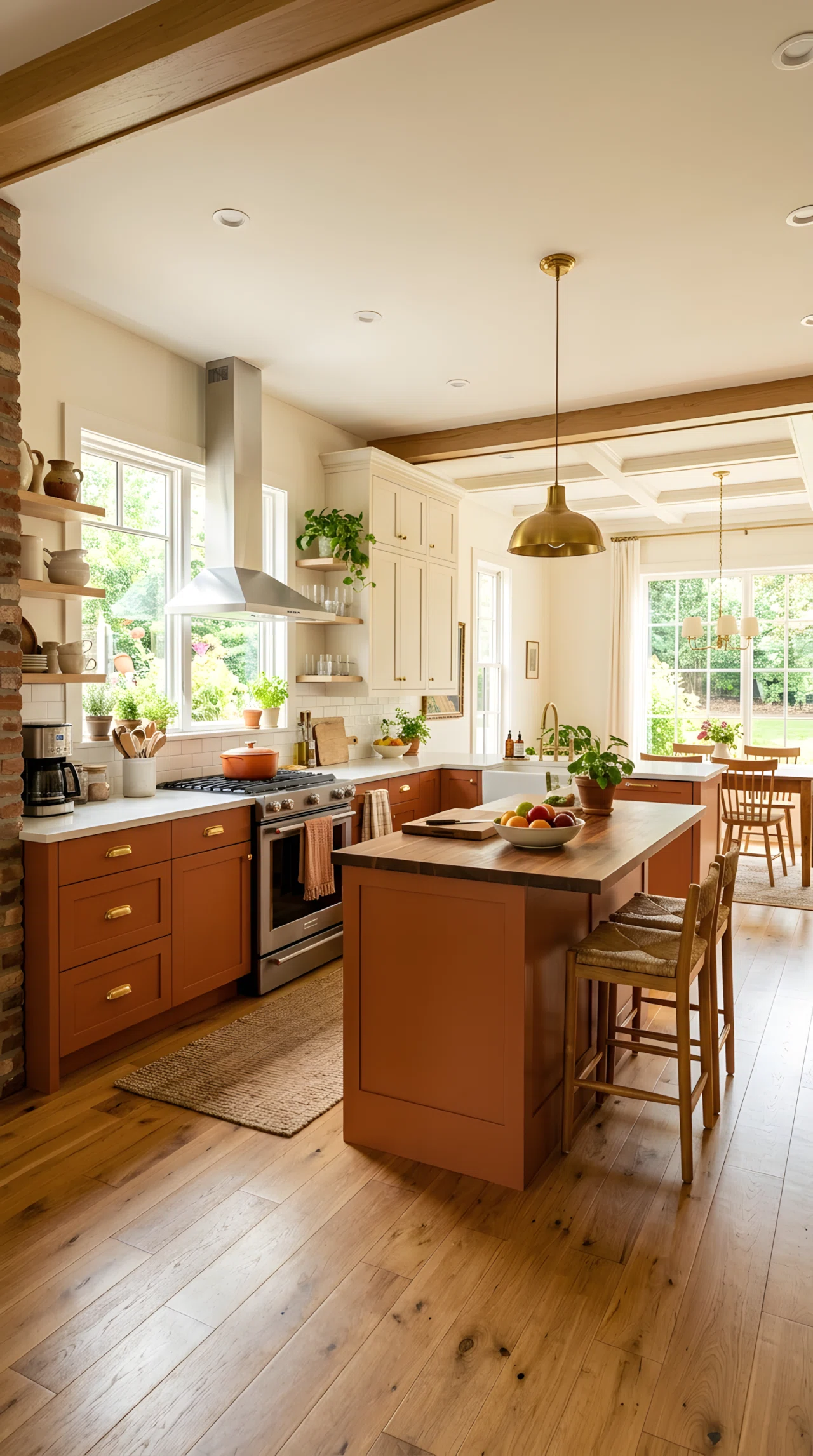
Earthy tones like terracotta and muted olive are replacing all-white kitchens in a lot of recent renovations. These colors bring warmth into a space without the coolness that gray or pure white sometimes carries, especially in kitchens with little natural light.
Use the earthy tone on lower cabinets and keep the upper cabinets or walls lighter. This balances the boldness of the color while still letting the kitchen feel grounded and lived-in rather than trendy for a season.
13. Solve Corner Cabinet Waste with a Pull-Out Carousel
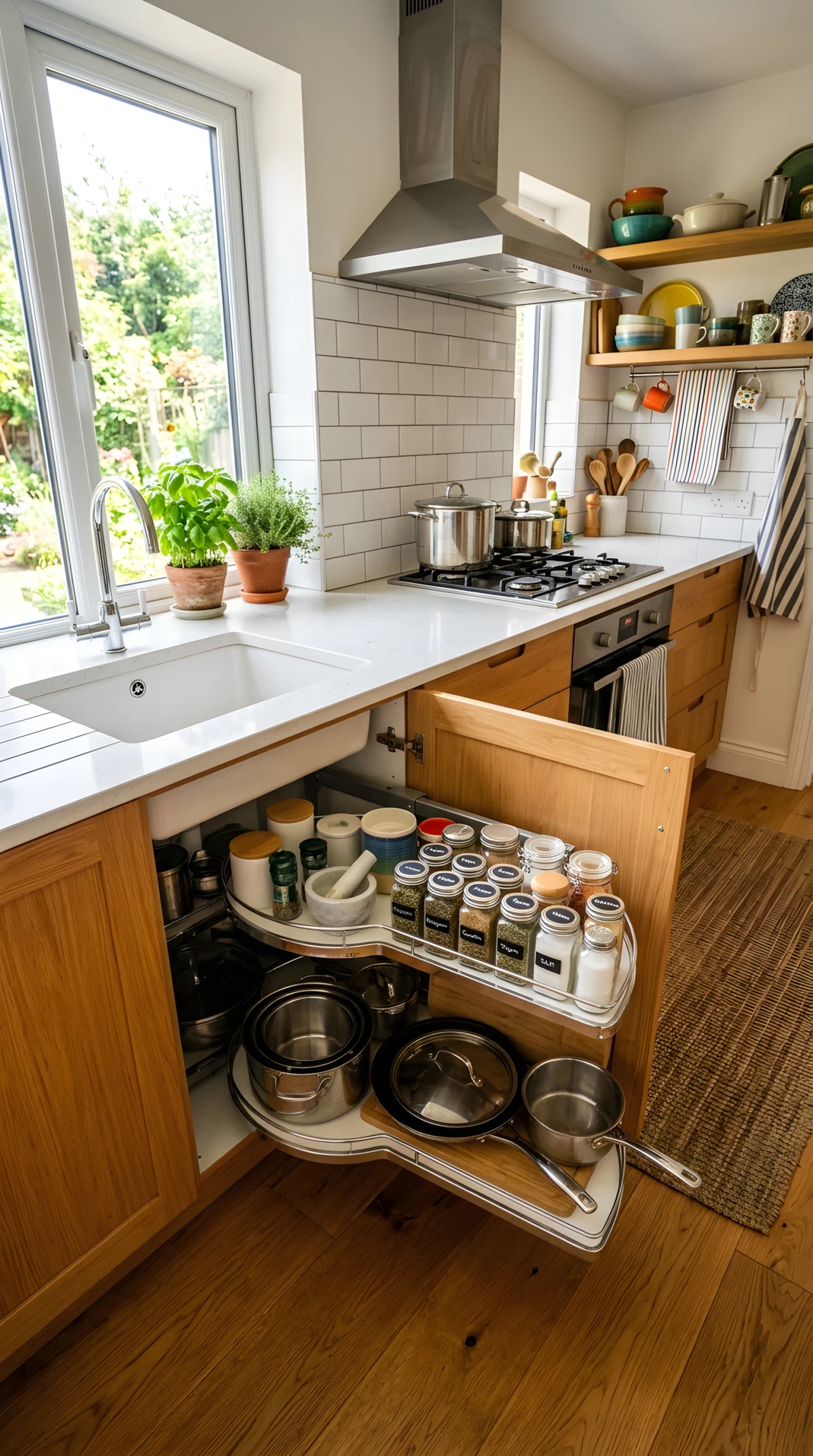
Corner cabinets are the most wasted space in almost every kitchen, especially a small one where every inch matters. A pull-out carousel or swing-out shelf turns that dead corner into usable storage you can actually reach without crawling on the floor.
This fix matters most in very small kitchens, where a single unusable corner can eat up storage you desperately need elsewhere. It is a small hardware change that makes the whole layout feel smarter.
14. Hide Your Coffee Station Behind an Appliance Garage
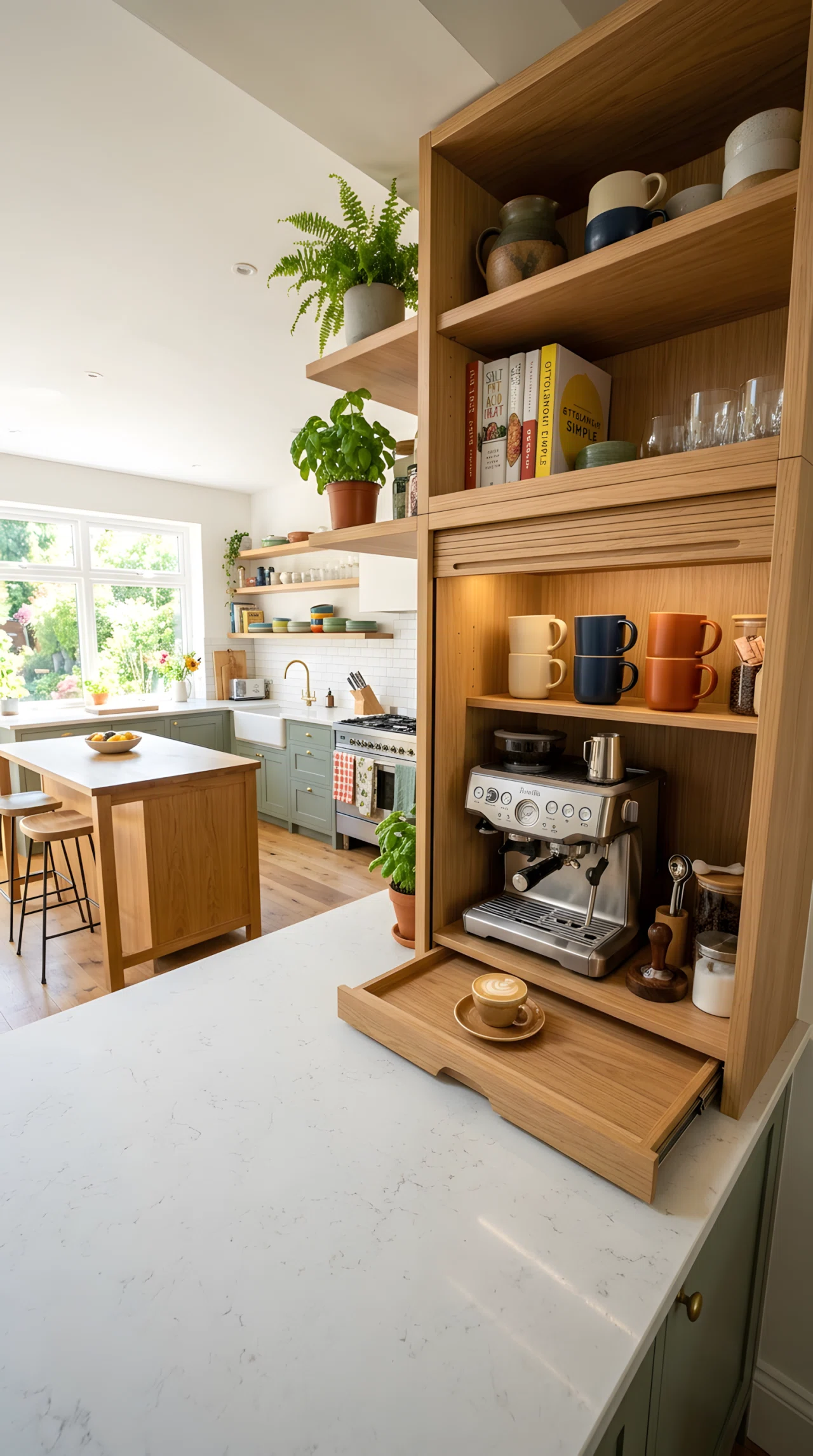
An appliance garage is a small cabinet with a roll-up or lift-up door that hides your coffee maker, toaster, or blender when you are not using them. Counters stay clear, but everything you need daily is still one step away instead of buried in a lower cabinet.
This works especially well near a corner or the end of a counter run, since that spot is often awkward to use for anything else anyway.
15. Let Unlacquered Brass Hardware Be the Focal Point
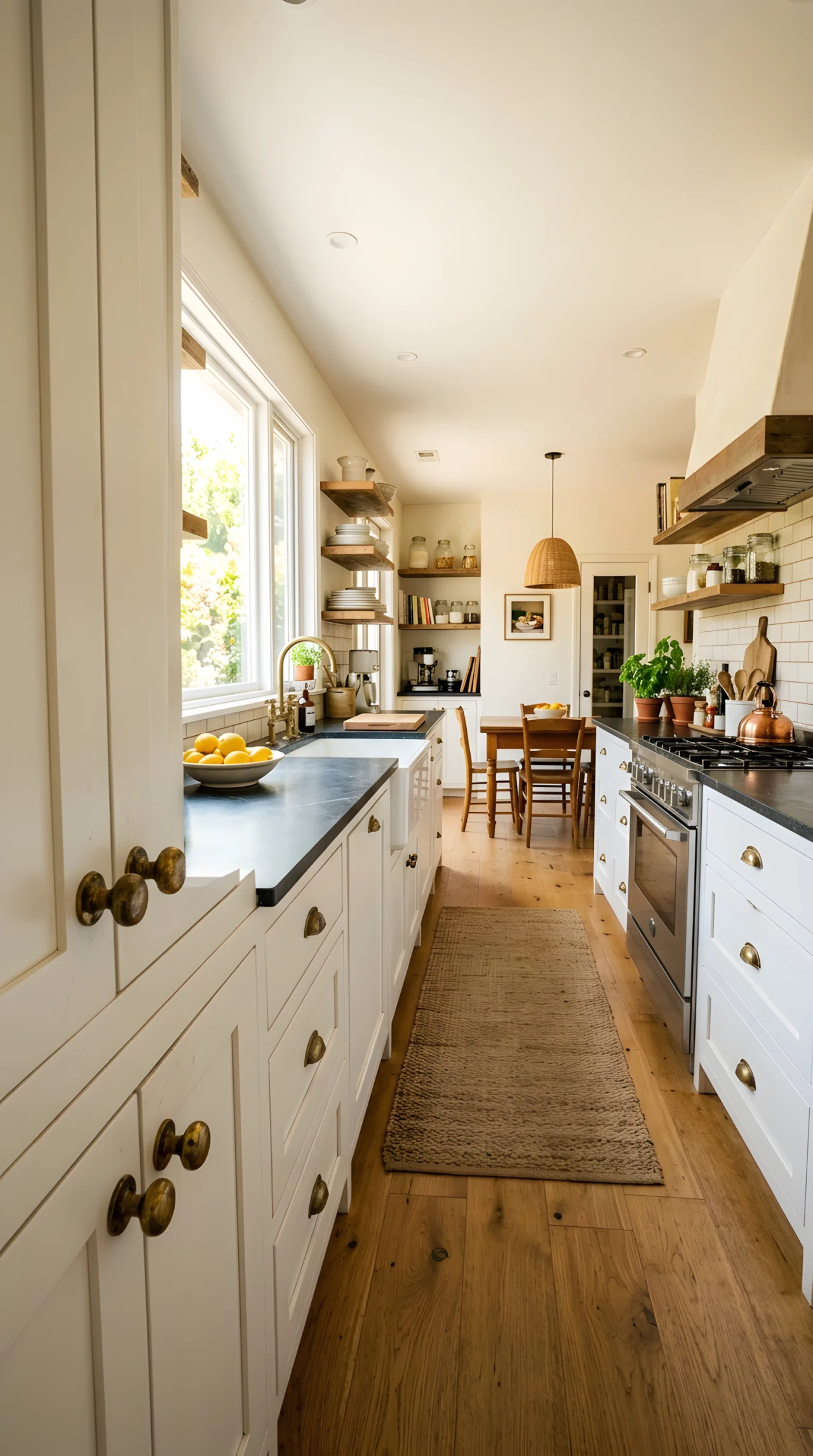
Unlacquered brass hardware ages naturally over time, developing a soft patina that most people pay extra to fake on new fixtures. On simple cabinet doors, this hardware becomes the detail people notice first, even before the cabinet color itself.
Choose one hardware style throughout the kitchen instead of mixing several finishes. Consistency here makes even a budget-friendly, simple kitchen design look considered and pulled together rather than assembled piece by piece.
16. Use Panel-Ready Cabinets to Hide Your Fridge and Dishwasher
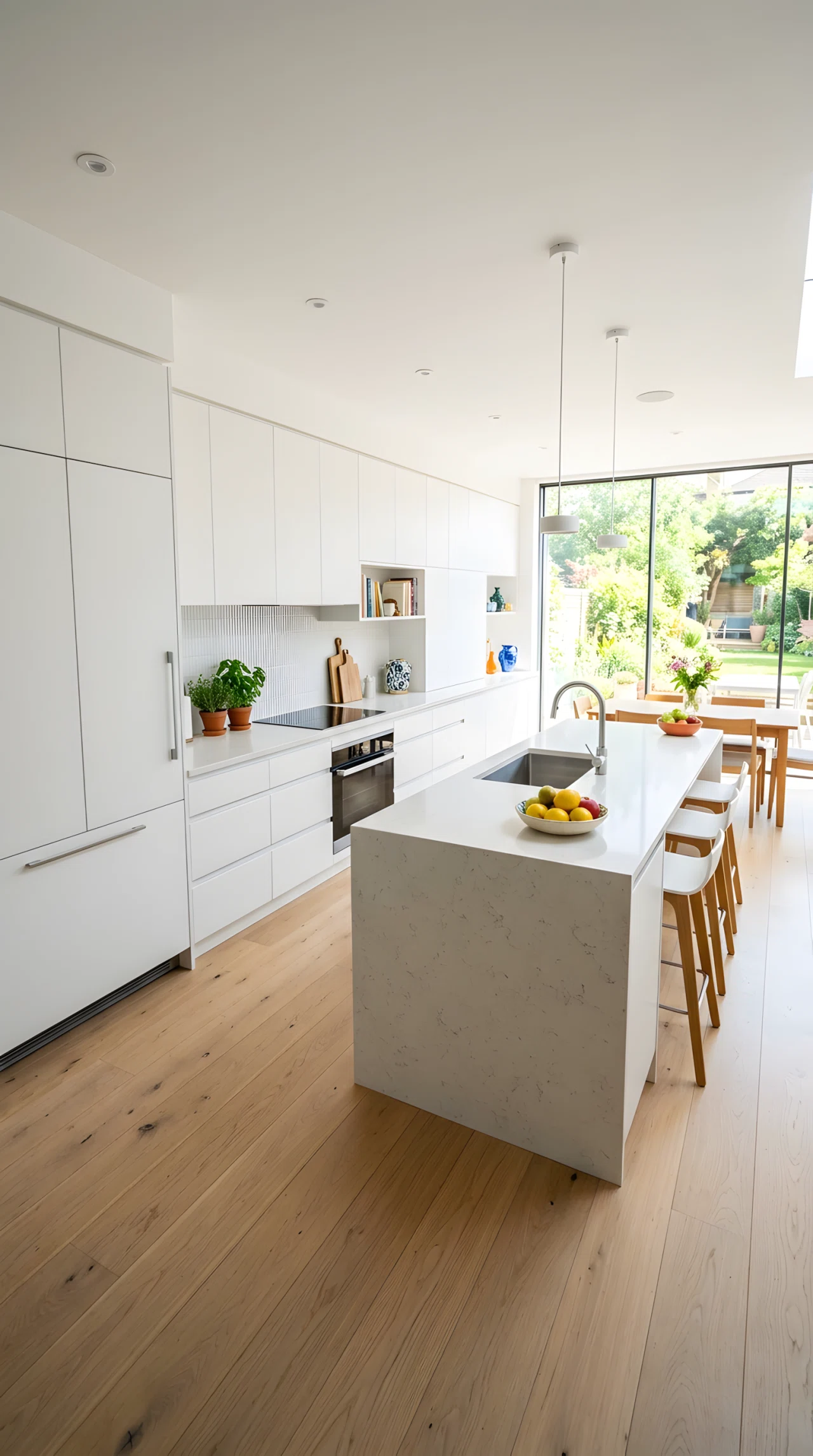
Panel-ready appliances let your fridge and dishwasher wear cabinet fronts that match the rest of your kitchen, so nothing breaks the visual flow of the room. From across the kitchen, the appliances practically disappear into the cabinetry.
This trick works best in a modern kitchen design where clean lines matter most. It costs more upfront, but it makes even a small kitchen look larger since there are fewer competing colors and finishes pulling your eye around the room.
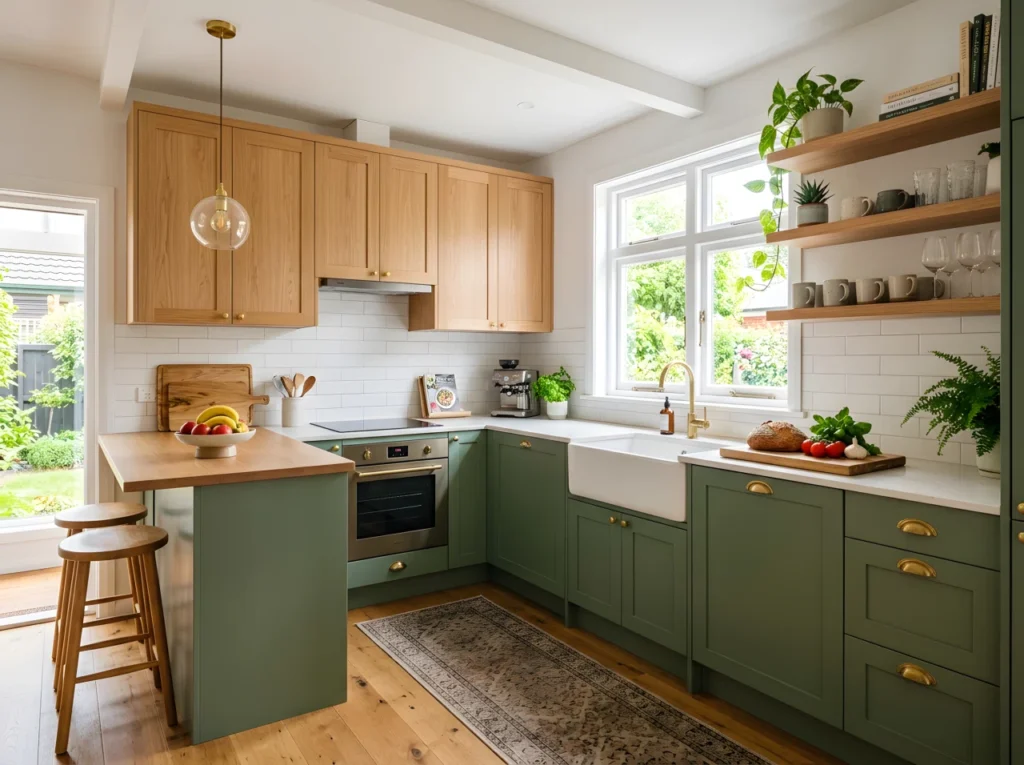
17. Try Sage Green Cabinets for Calm with Personality
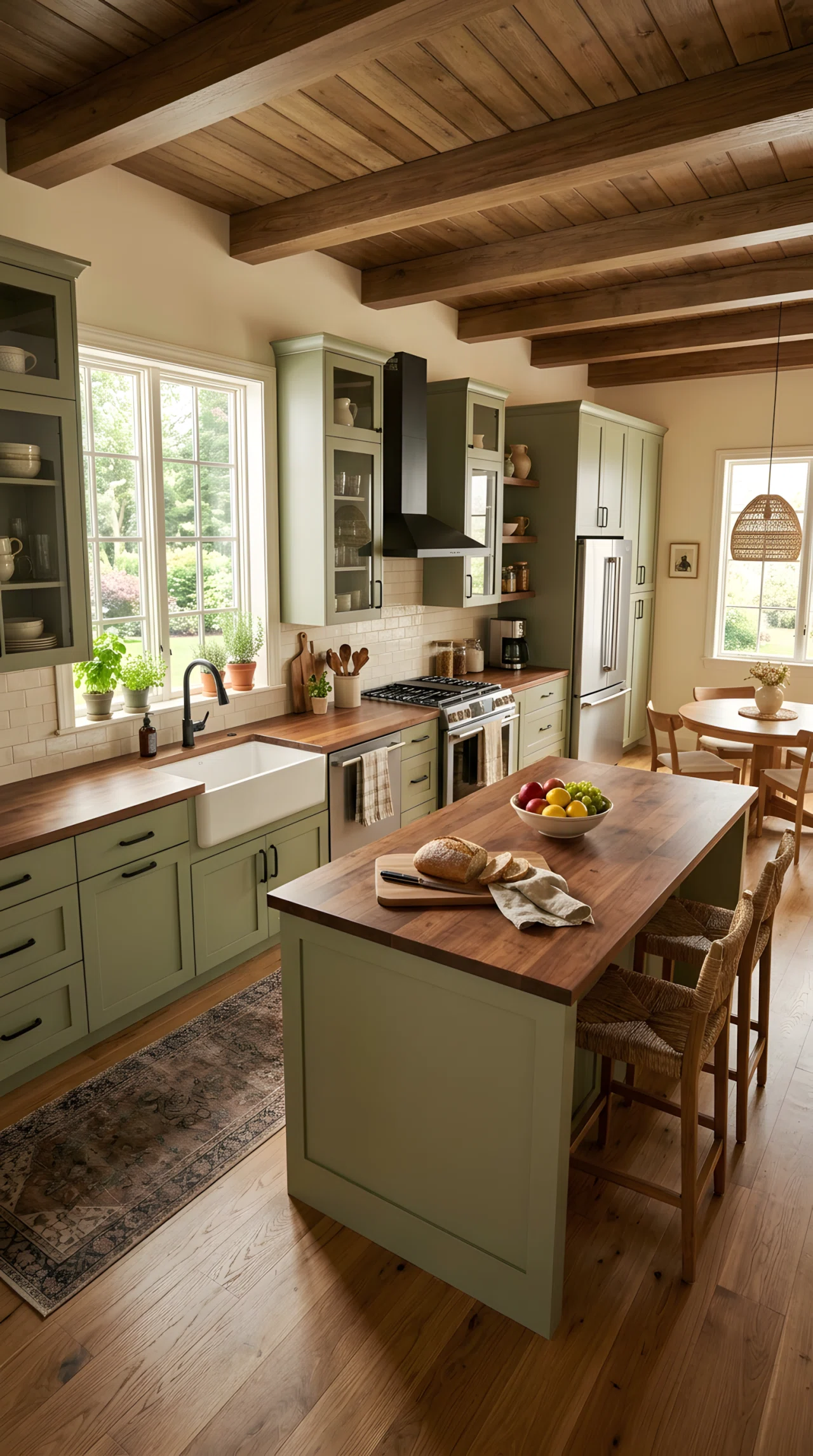
Sage green cabinets sit in that comfortable space between bold and neutral, calm enough for daily life but still full of personality compared to plain white. It reads as fresh without feeling like a passing trend you will tire of quickly.
Pair sage with brass or matte black hardware depending on whether you want a softer or more modern feel. Either way, the color works in a cozy kitchen just as well as it does in an open, sunlit one.
18. Turn Toe-Kick Space into a Hidden Drawer
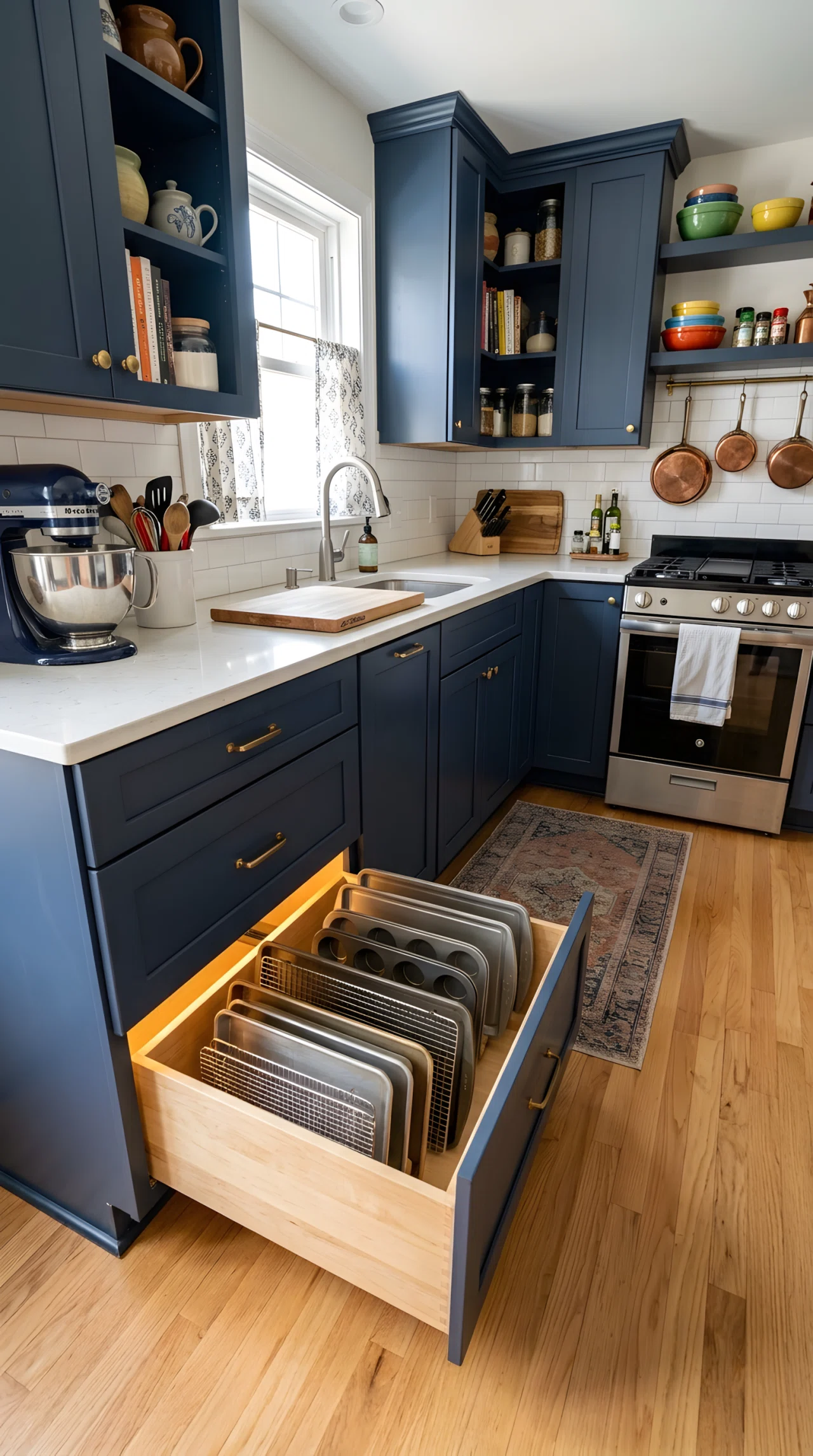
The toe-kick space beneath your base cabinets is usually wasted air, just a few inches nobody thinks to use. Turning it into a shallow drawer gives you a spot for baking sheets, extra dish towels, or step stools that normally clutter a cabinet shelf.
This trick makes the biggest difference in a very small kitchen, where every drawer counts. It requires almost no extra floor space since you are simply using a gap that already exists under your cabinets.
19. Light the Inside of Glass Cabinets, Not Just the Counter
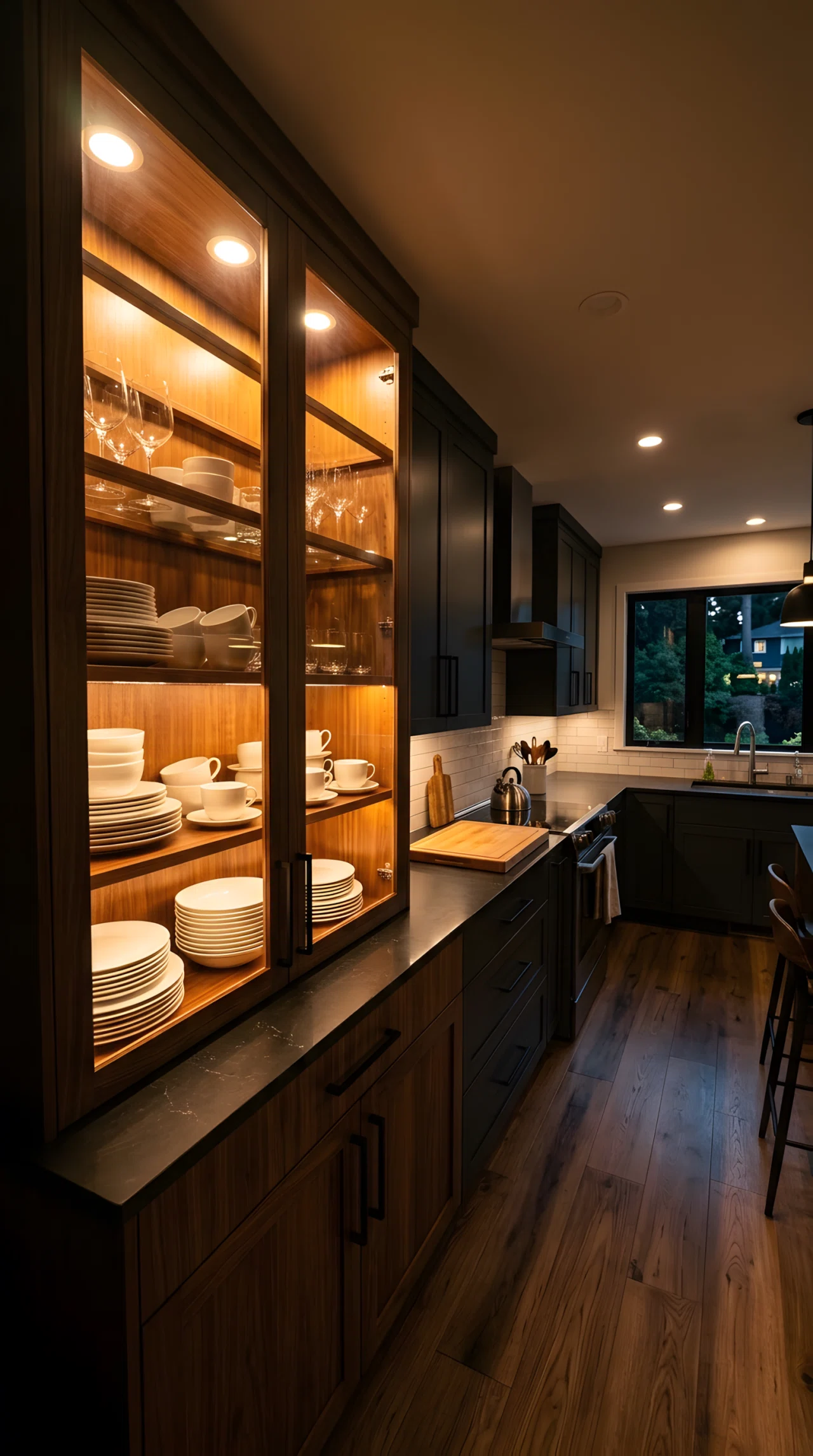
Lighting placed inside a glass or open cabinet matters more than the bulb you choose. Position small puck lights at the top of the cabinet interior so light spills downward over the dishes, instead of mounting them at the back where they just create glare on the glass.
Done this way, the cabinet becomes a lit display case at night, drawing attention to your kitchen cabinet colors and dishware instead of just lighting the countertop below.
20. Finish Cabinets with Simple Crown Molding
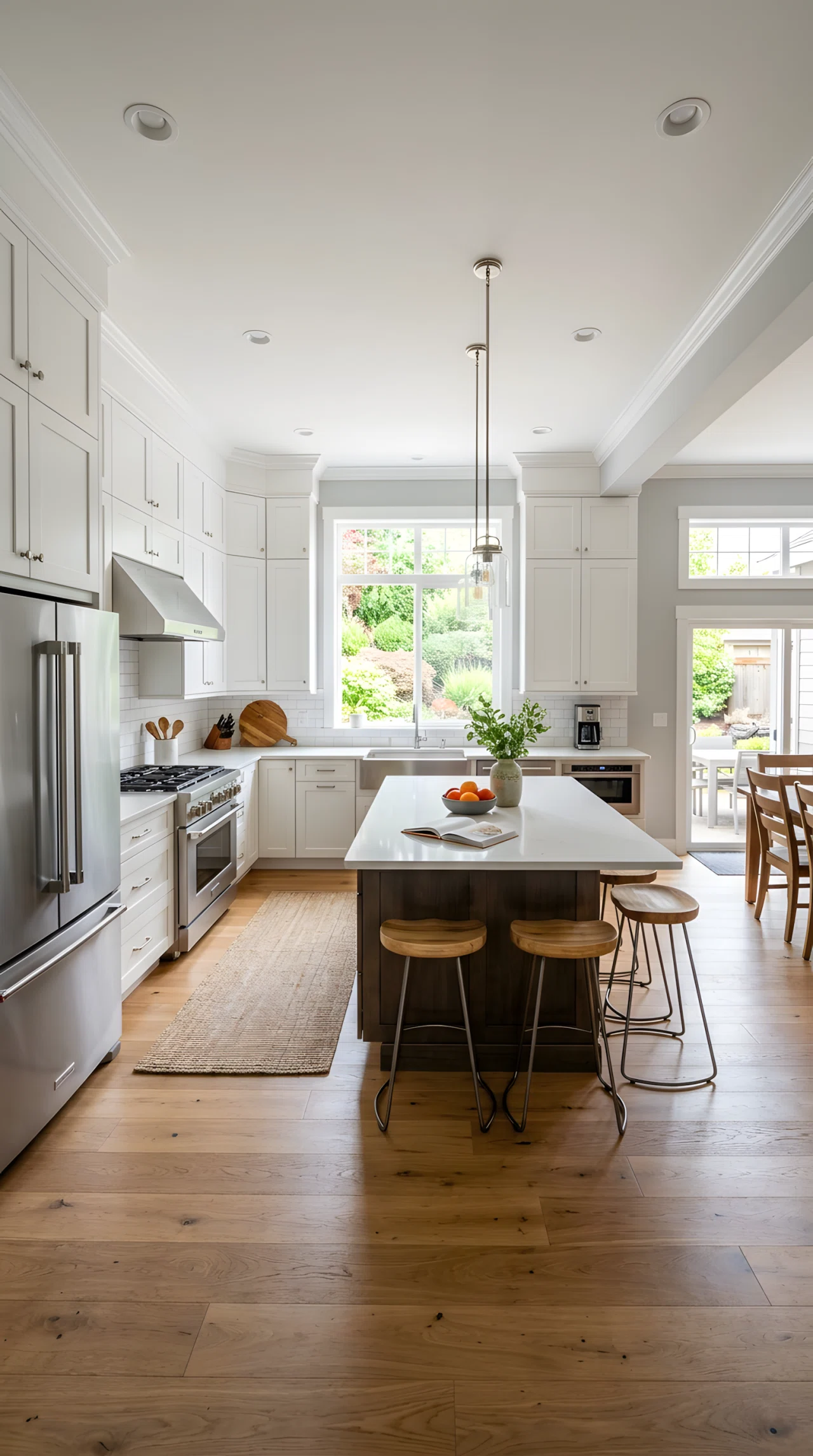
Adding crown molding to the top of your cabinets closes the gap between cabinet and ceiling while giving the kitchen a more finished, custom feel. It is a detail that costs relatively little but changes how expensive the whole kitchen looks.
This works well whether your kitchen design leans modern farmhouse or more traditional. Choose a simple molding profile so it complements your cabinet colors rather than competing with them for attention.
Great kitchen cabinets never come down to one single choice. They come from small decisions stacking together, a color that suits your light, a layout that respects how you actually cook, and details like hardware or lighting that most people notice only after they are missing.
Save the ideas that fit your space and skip the rest. Whether you are planning a full renovation or just swapping out hardware this weekend, the best kitchen cabinets are the ones that make your daily routine easier, not just prettier to look at.