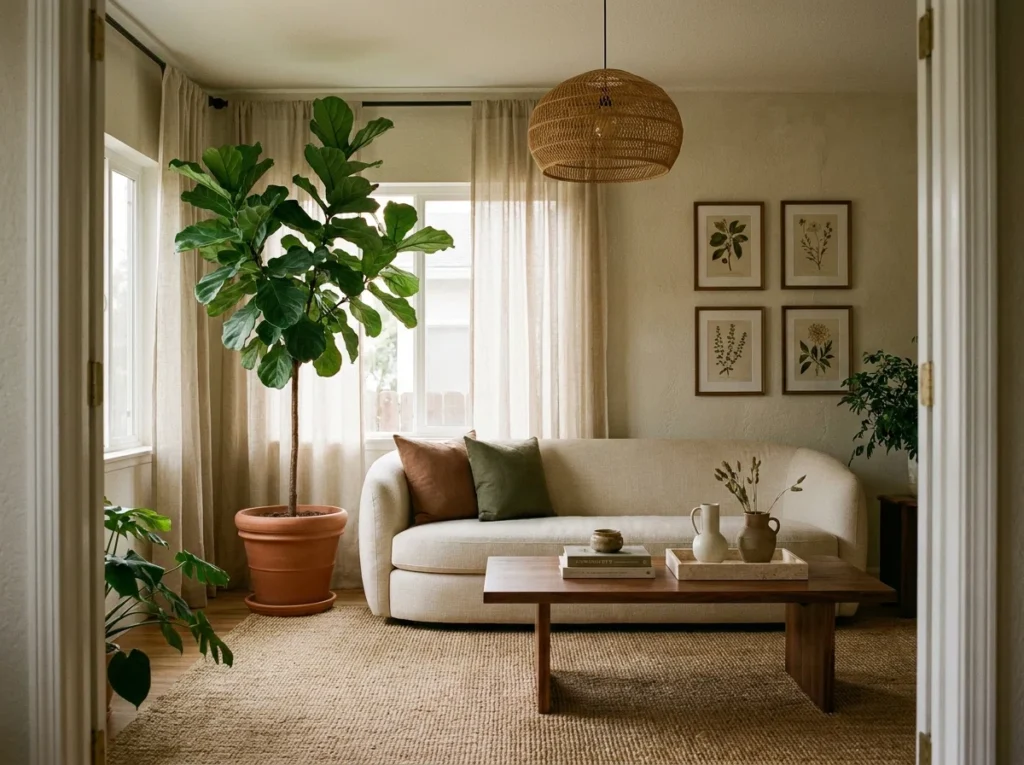
There is a reason a walk outside feels like a reset. Natural light, organic textures, the sound of water — nature affects the nervous system in ways no interior trend fully replicates. Biophilic design tries to close that gap by weaving those same elements into the rooms where we spend our time.
Searches for biophilic design have doubled in 2026, and studies show that even 15% of your visual field occupied by natural elements is enough to begin reducing cortisol levels. Here are 20 ways to bring that effect into your home.
1. Start With Natural Light Before Anything Else
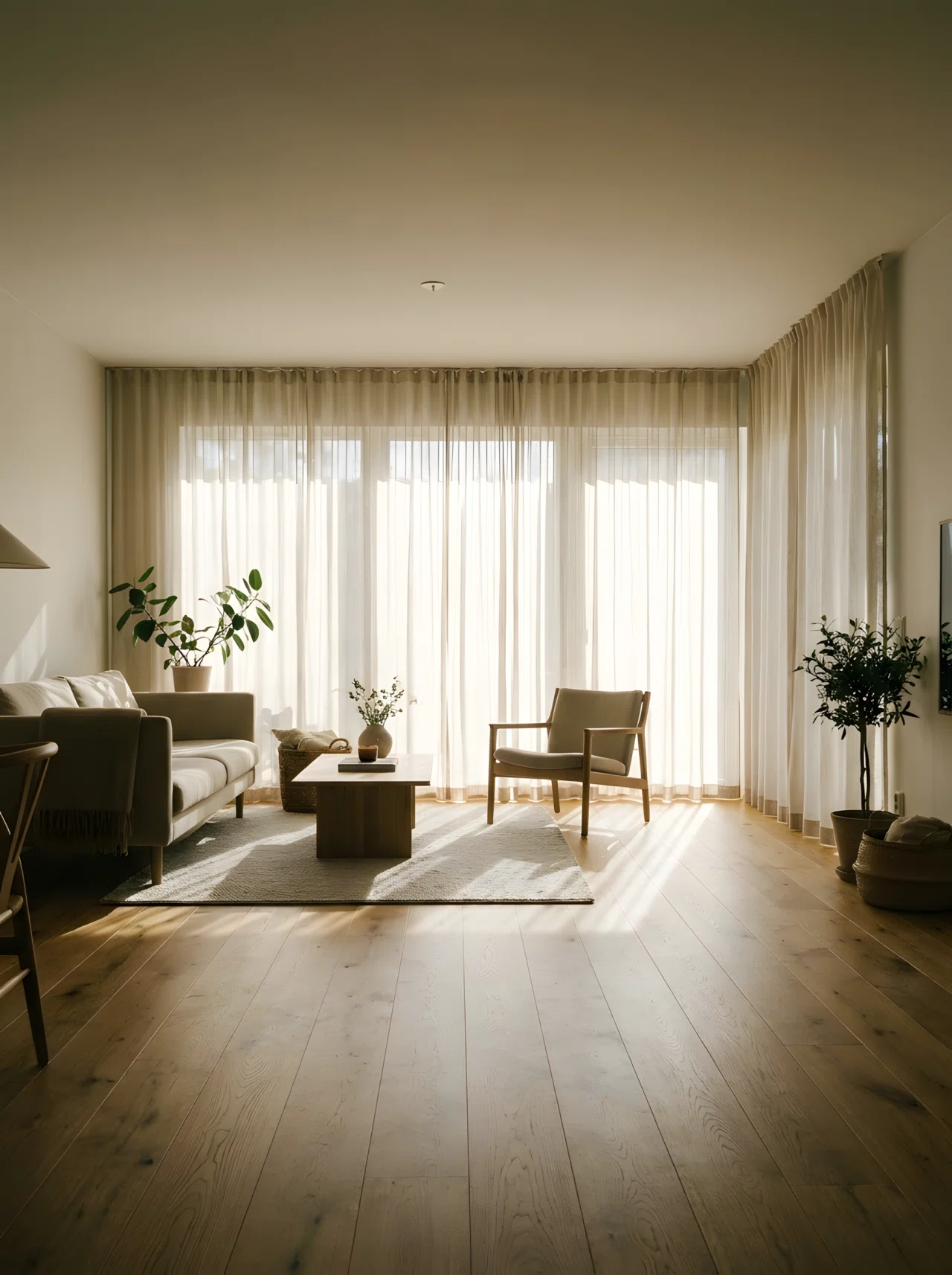
Biophilic spaces begin with light. Swap heavy drapes for sheer linen curtains that filter daylight without blocking it. The quality of shifting, soft light throughout the day does more for a room than any decorative addition. Sheer linen curtains in warm natural tones are widely available at home goods stores and online.
2. Choose One Statement Plant and Let It Anchor the Room
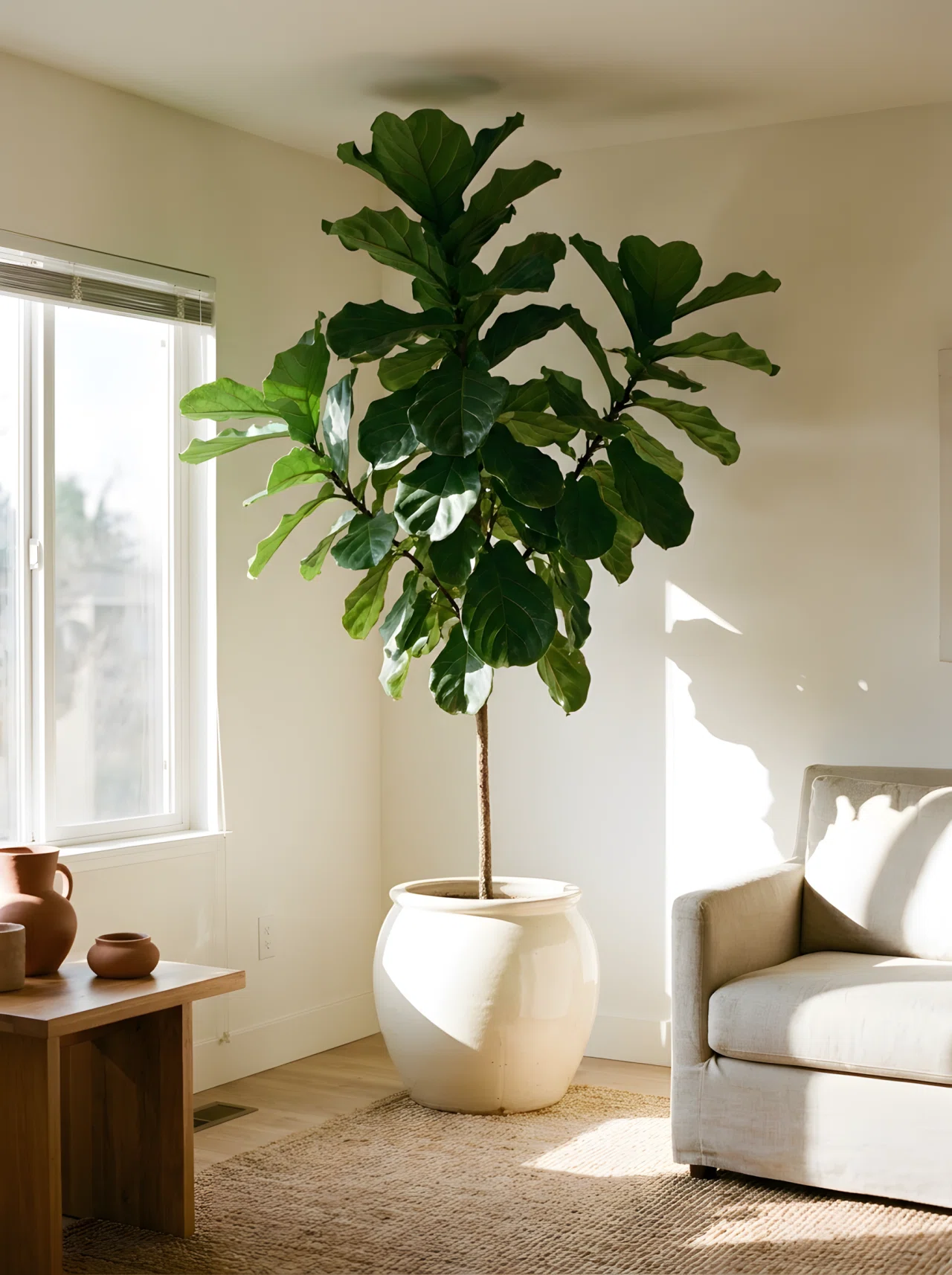
One large statement plant creates a stronger biophilic effect than many small ones scattered around. A fiddle-leaf fig, rubber plant, or olive tree draws the eye upward and changes the scale of the room. Pair it with a simple neutral planter so the plant remains the focus.
3. Replace Cold Materials With Warm Wood
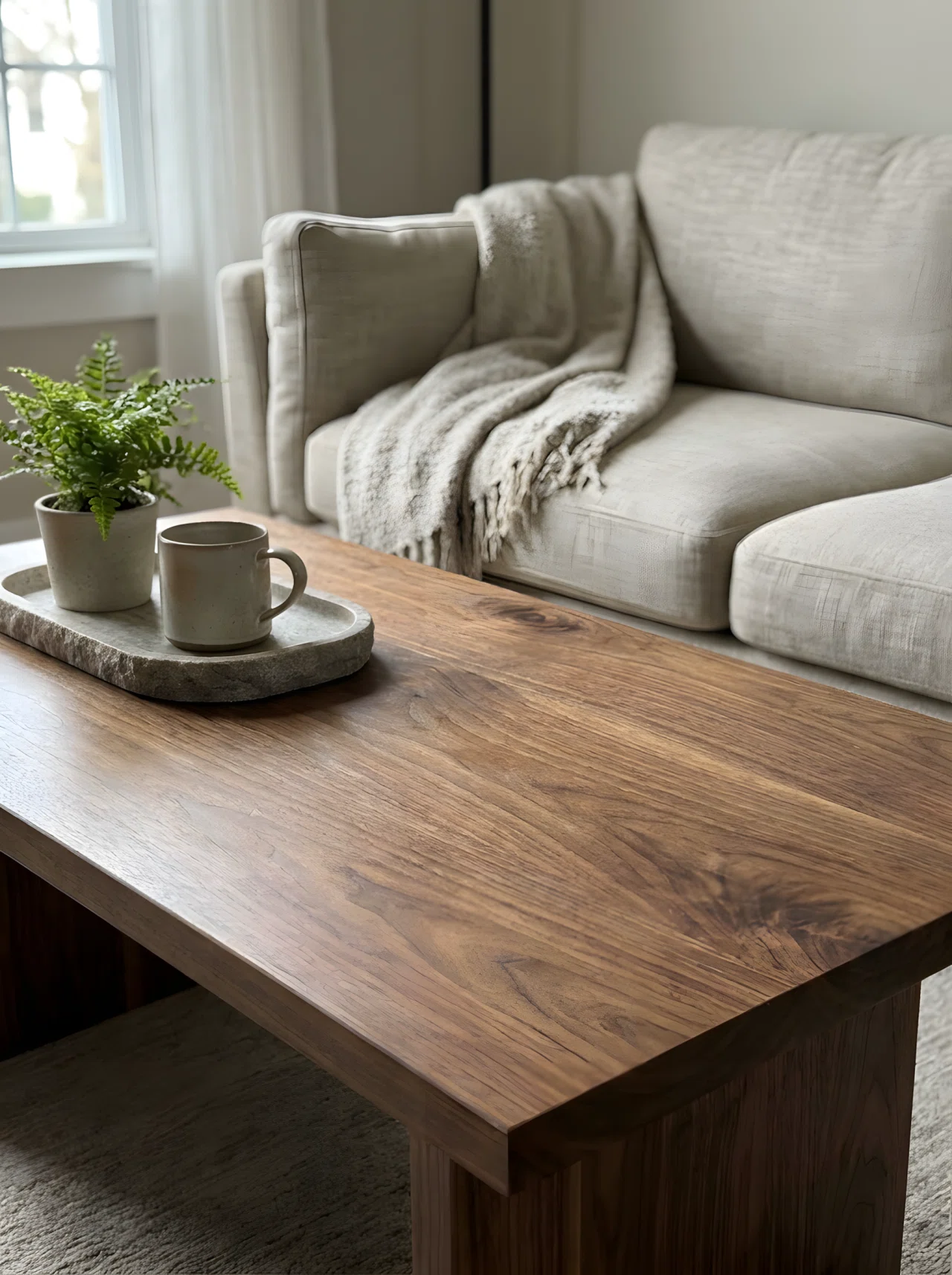
Swapping a glass or metal coffee table for solid wood introduces visual warmth and grain texture that synthetic materials cannot replicate. Walnut, oak, and ash are the strongest choices in 2026, widely available at furniture stores and online.
4. Layer Natural Fiber Textiles
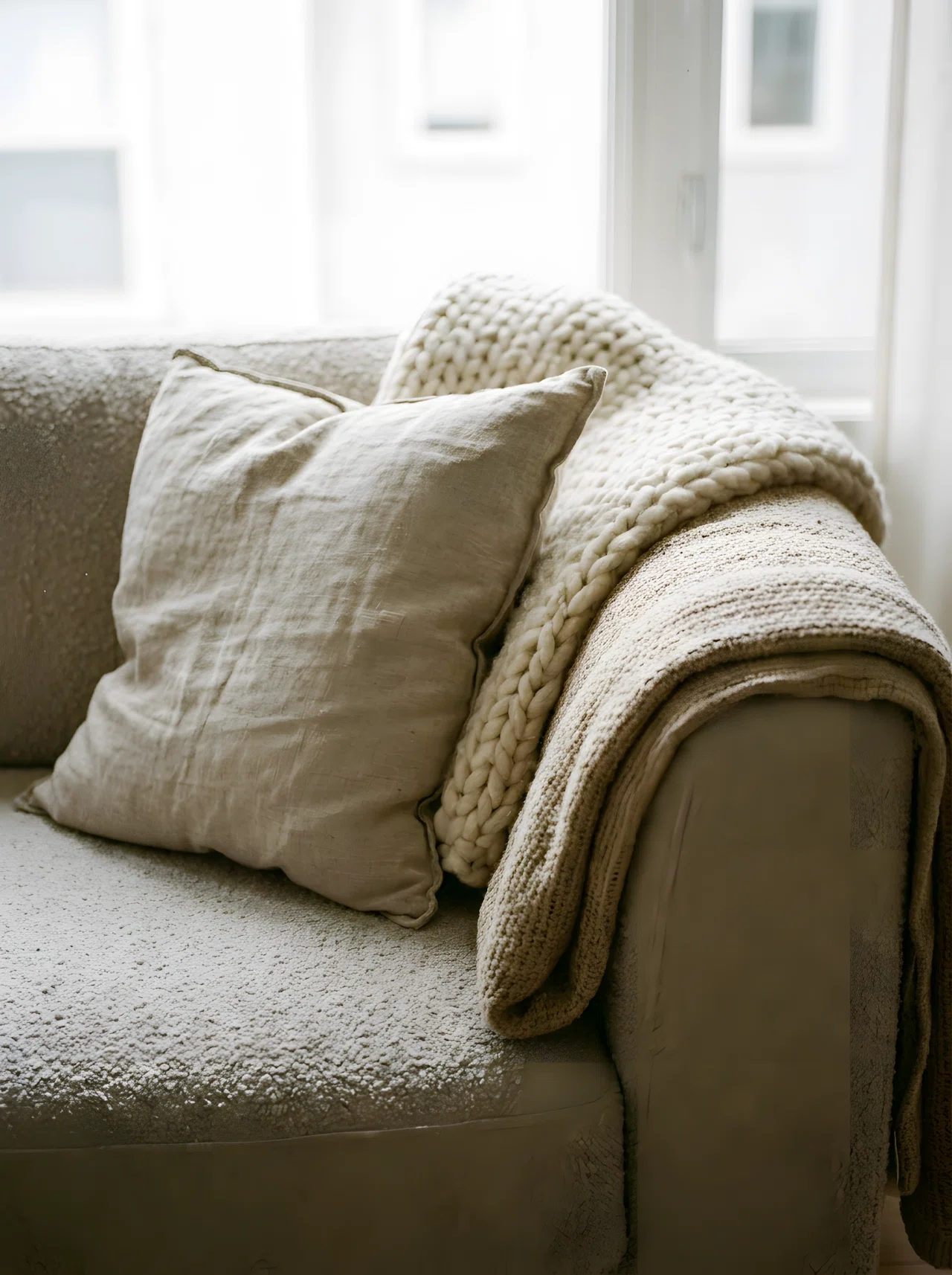
Linen cushions, jute rugs, and wool throws add tactile warmth that synthetic fabrics lack. Layer at least two different natural fiber textures on a sofa or bed to create depth that makes a room feel grounded. These textiles are easy to find at most home goods retailers.
5. Add a Stone or Travertine Surface
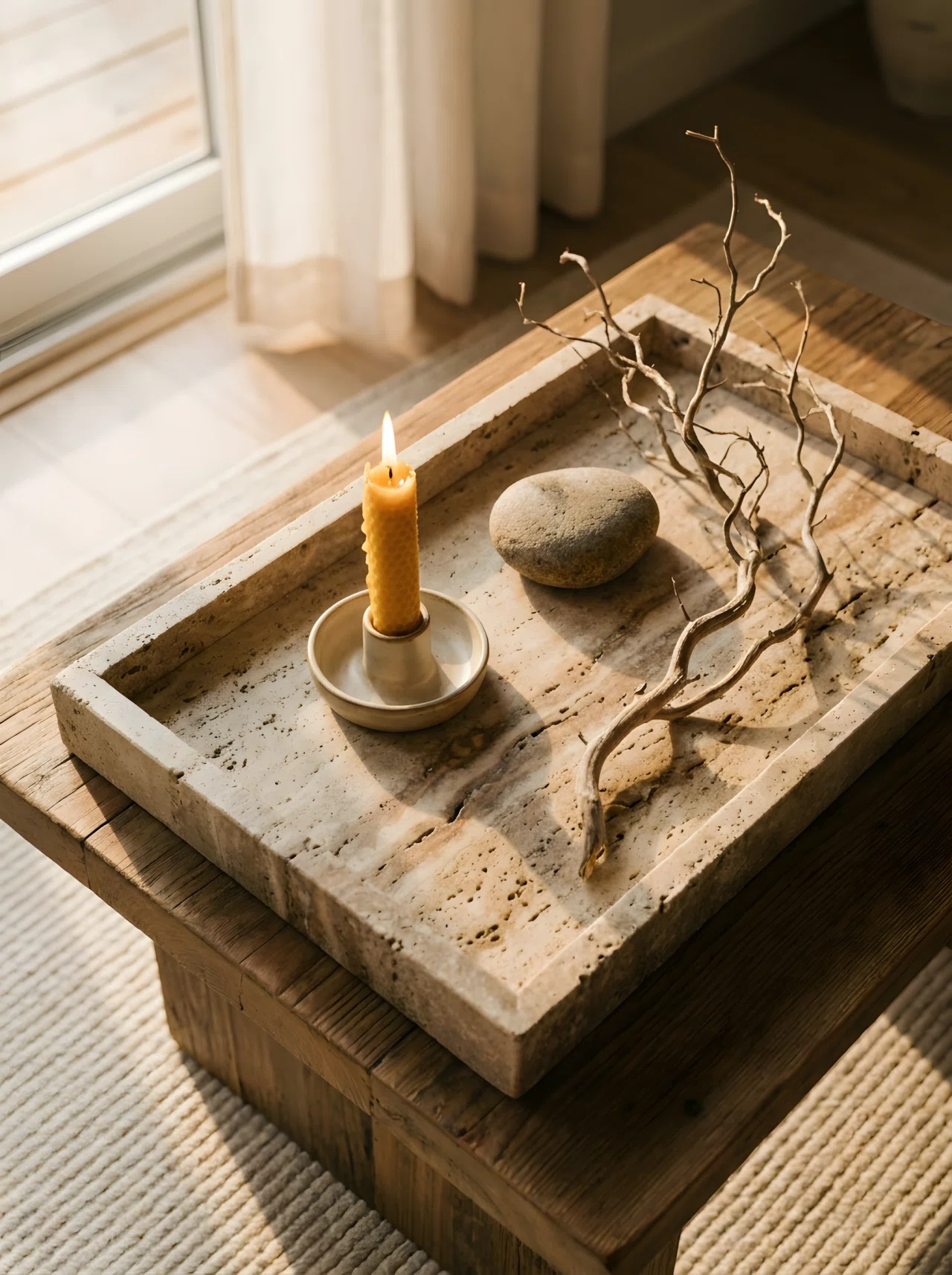
Stone adds permanence that pairs beautifully with wood and natural fiber. A travertine tray, a stone side table, or a marble cutting board introduces this quality at different price points. Even one small stone object shifts the texture palette noticeably.
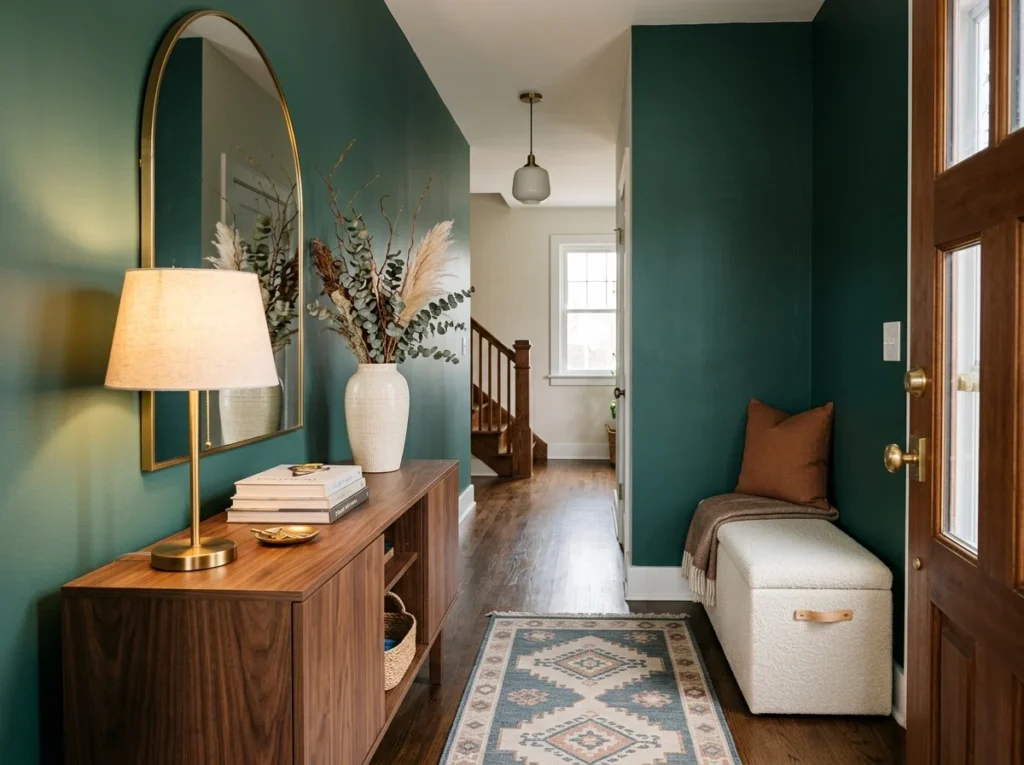
6. Use an Earth-Rooted Color Palette
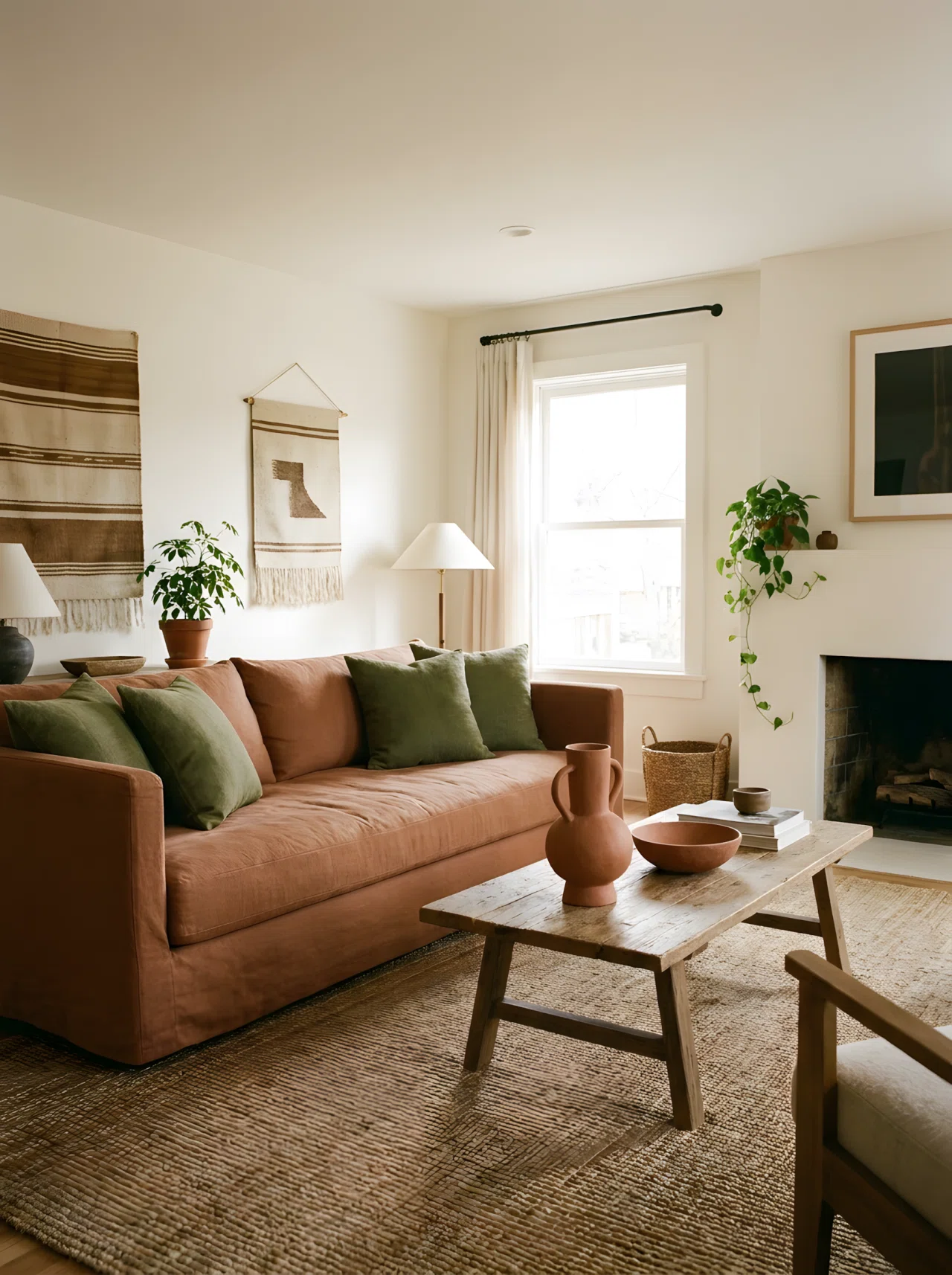
Biophilic color draws from outdoor landscapes: warm white, sand, clay, moss green, and muted olive. Choose one as your base and layer one or two accent tones from the same palette. These shades feel calming because the brain already recognizes them from nature.
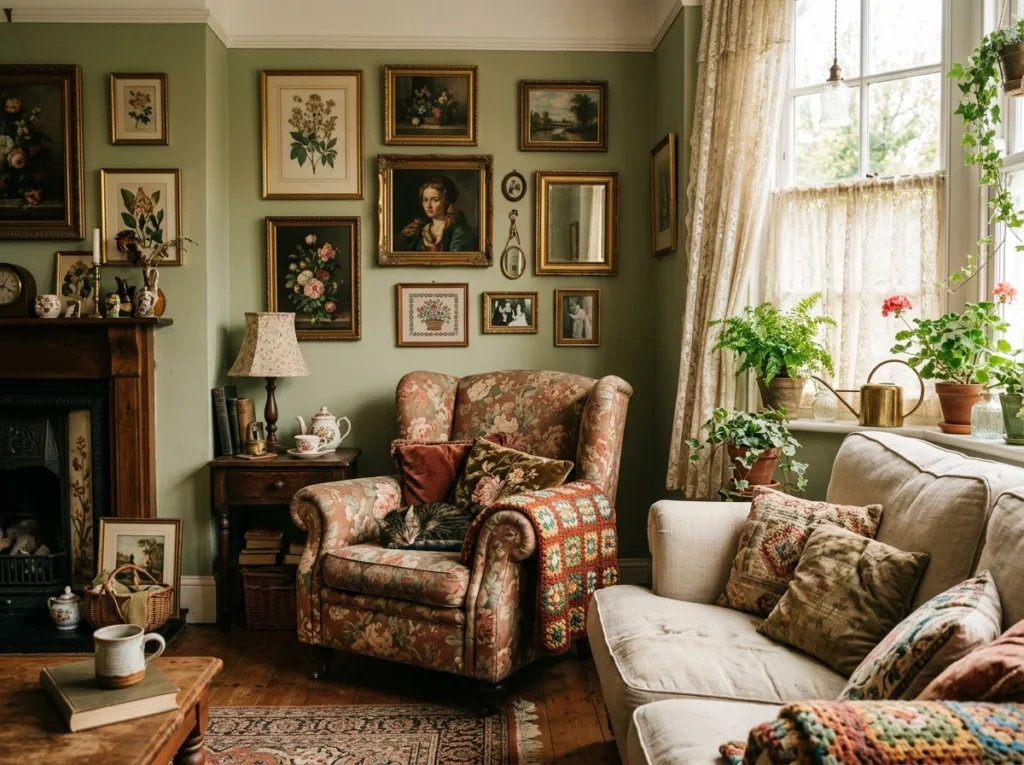
7. Hang Botanical Wall Art
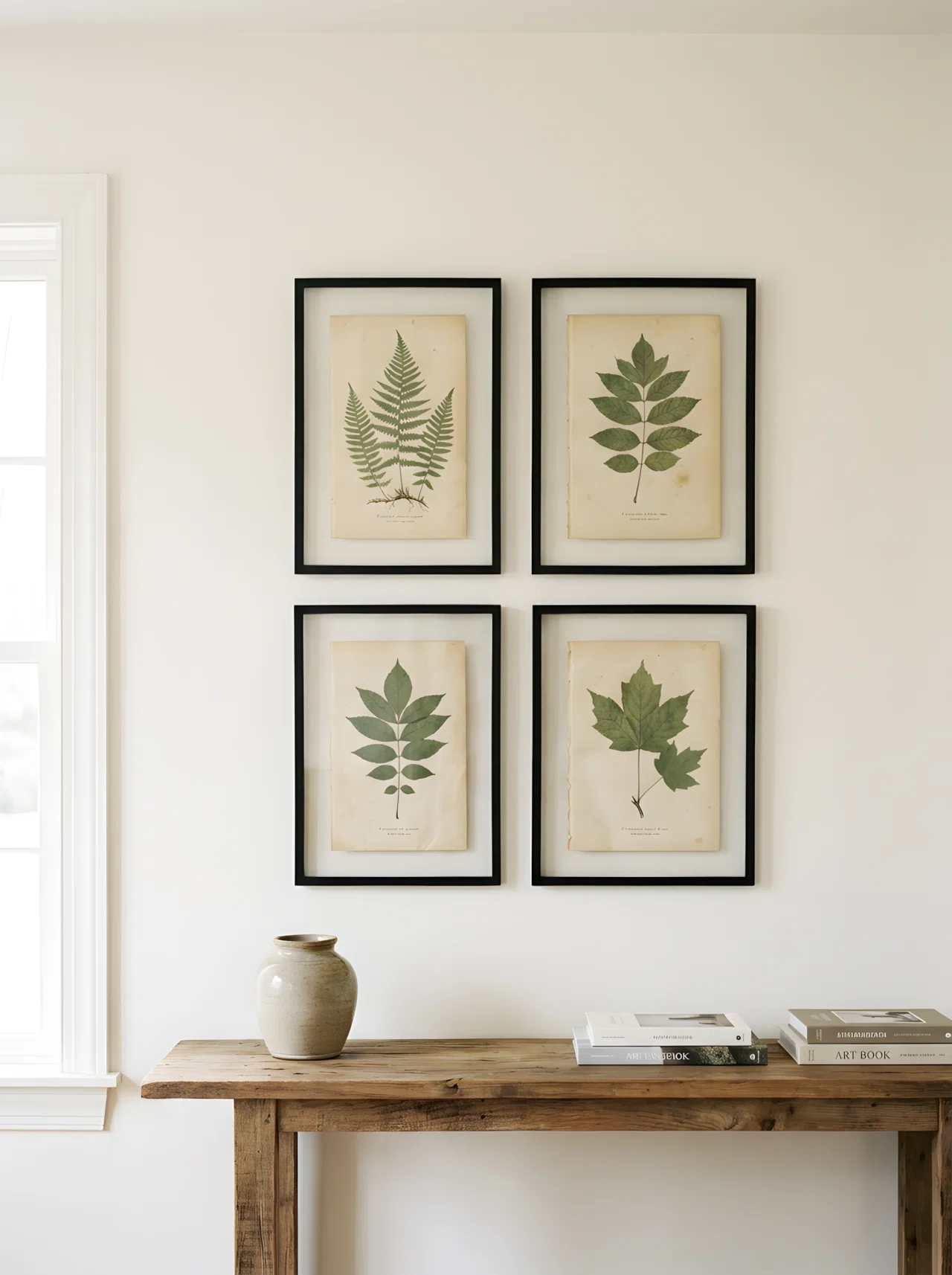
Framed botanical prints bring the visual language of the outdoors onto walls where plants cannot grow. A grid of matching frames above a sofa or desk adds organic pattern without competing with furniture. Botanical prints are free to download from public domain archives and affordable to print at most copy shops.
8. Install a Preserved Moss Panel
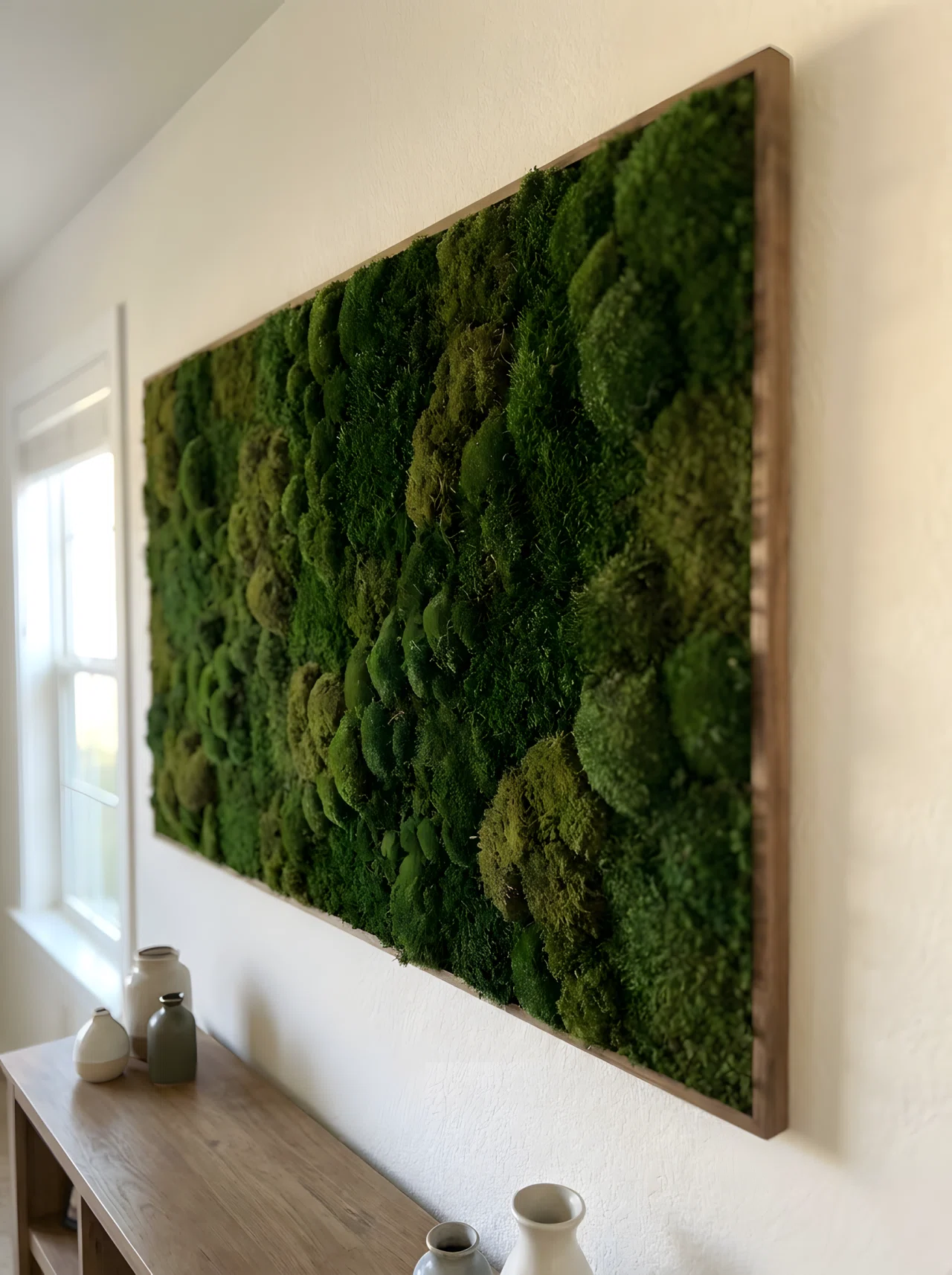
Preserved moss art requires no watering, no sunlight, and no maintenance, making it the most practical living-wall option for renters and busy households. A large moss frame on a wall brings deep, saturated green into a room in a way that plants on shelves cannot quite match. Preserved moss panels in a range of sizes are available from specialty decor stores and online marketplaces.
9. Bring in Rattan or Woven Furniture
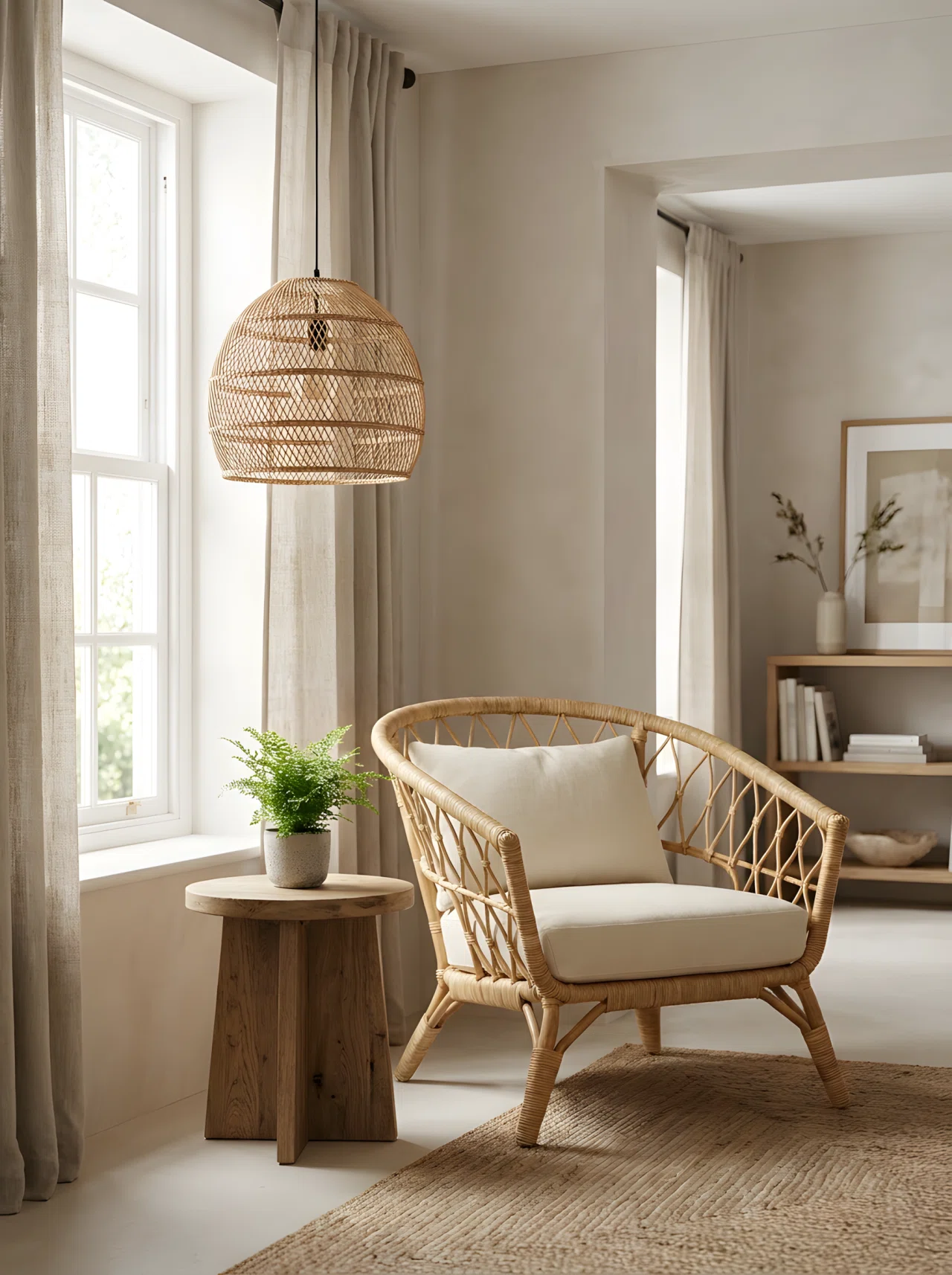
Rattan chairs, woven pendant lights, and bamboo accessories carry natural texture into a room without adding a single plant. A single rattan accent chair beside a solid wood side table creates a natural corner that requires minimal effort to style.
10. Use Warm Bulbs Throughout
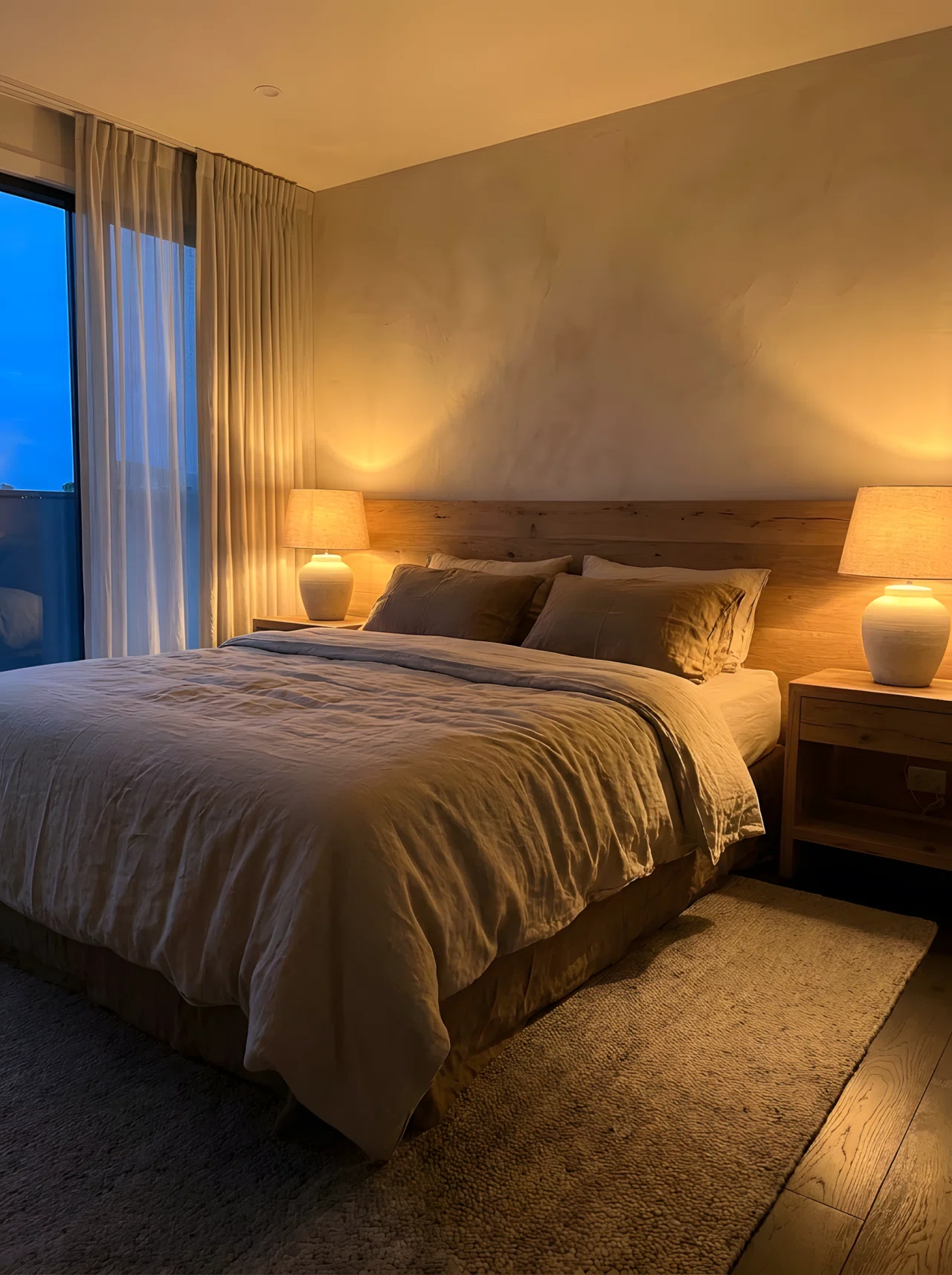
Cool white bulbs flatten a room and make natural materials look synthetic. Replacing every bulb with warm 2700K options shifts the atmosphere toward something softer and more organic. Warm-toned LEDs in this temperature are available at most hardware stores and supermarkets.
11. Add a Small Water Feature
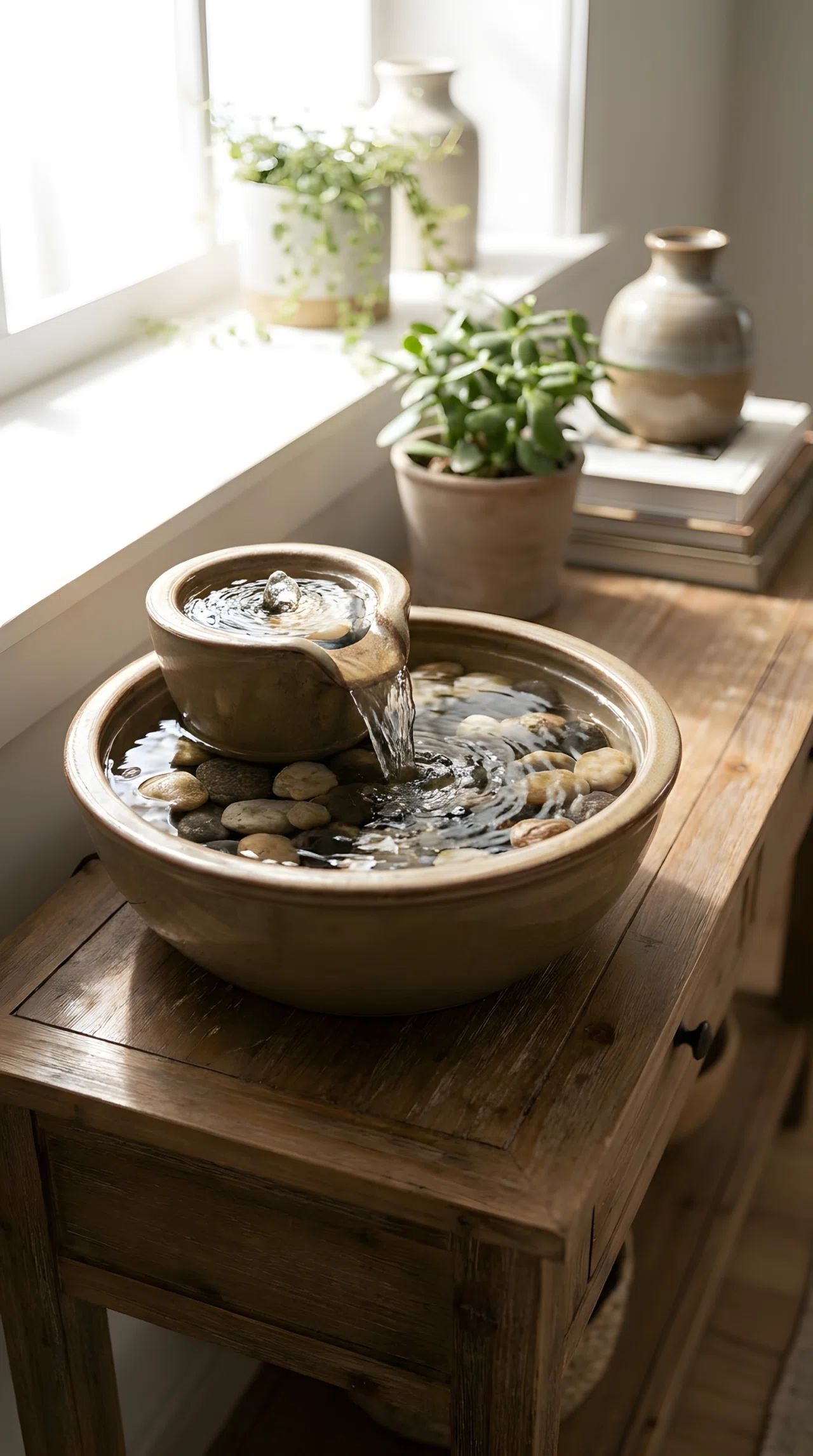
The sound of moving water engages the auditory sense in a way visual decor cannot. A small ceramic or stone tabletop fountain adds ambient sound and a focal point that shifts as light catches the water. Compact indoor water features are available at garden centers and online.
12. Grow a Trailing Plant Wall on a Shelf
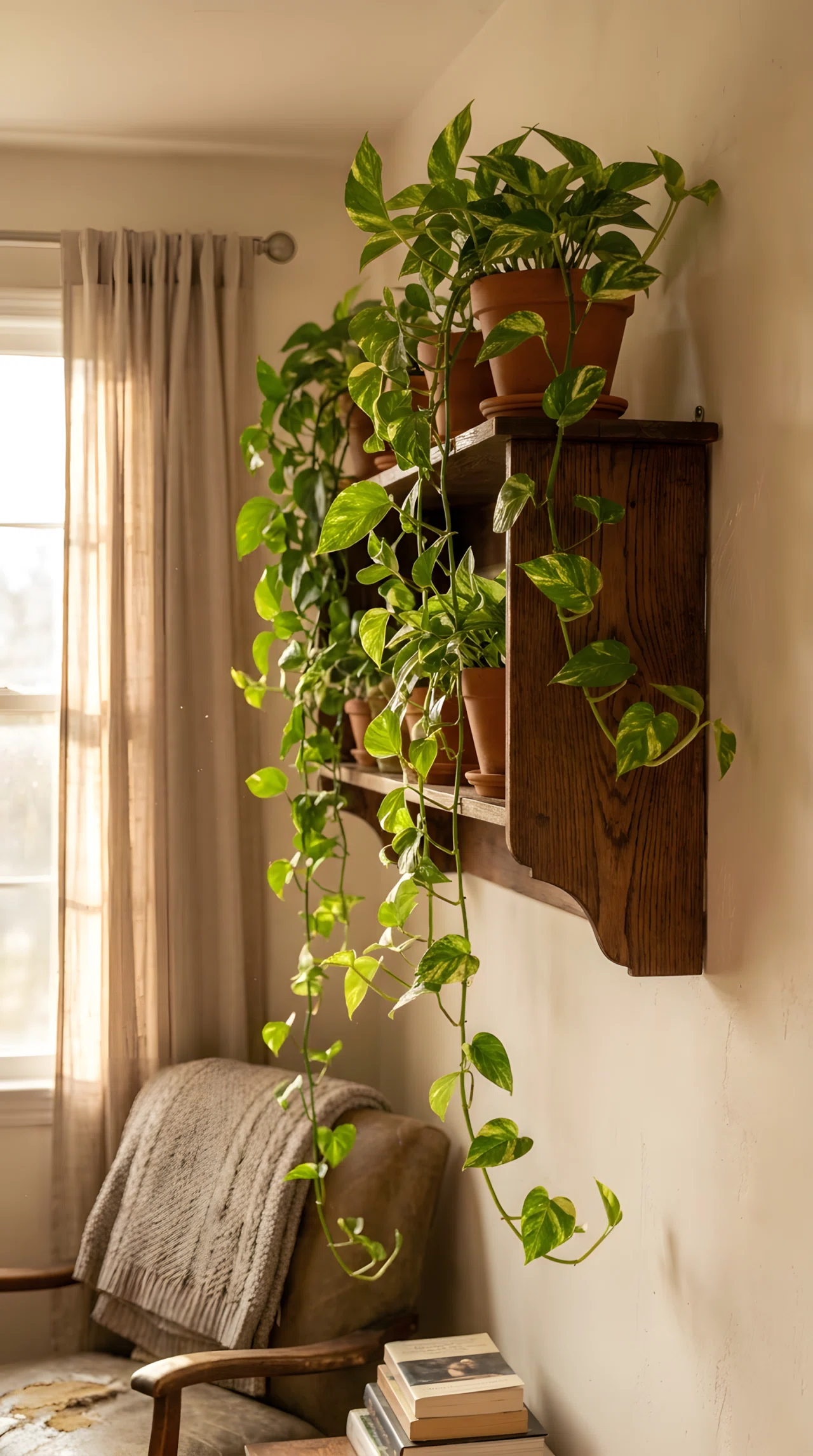
A long shelf with trailing pothos, heartleaf philodendron, or string of pearls creates a cascading green effect that mimics the feeling of vegetation growing naturally. This works especially well on a high shelf in a living room or bedroom where the trailing effect can develop fully over time. All three varieties thrive in indoor light and are available at most nurseries.
13. Choose Furniture With Organic, Curved Shapes
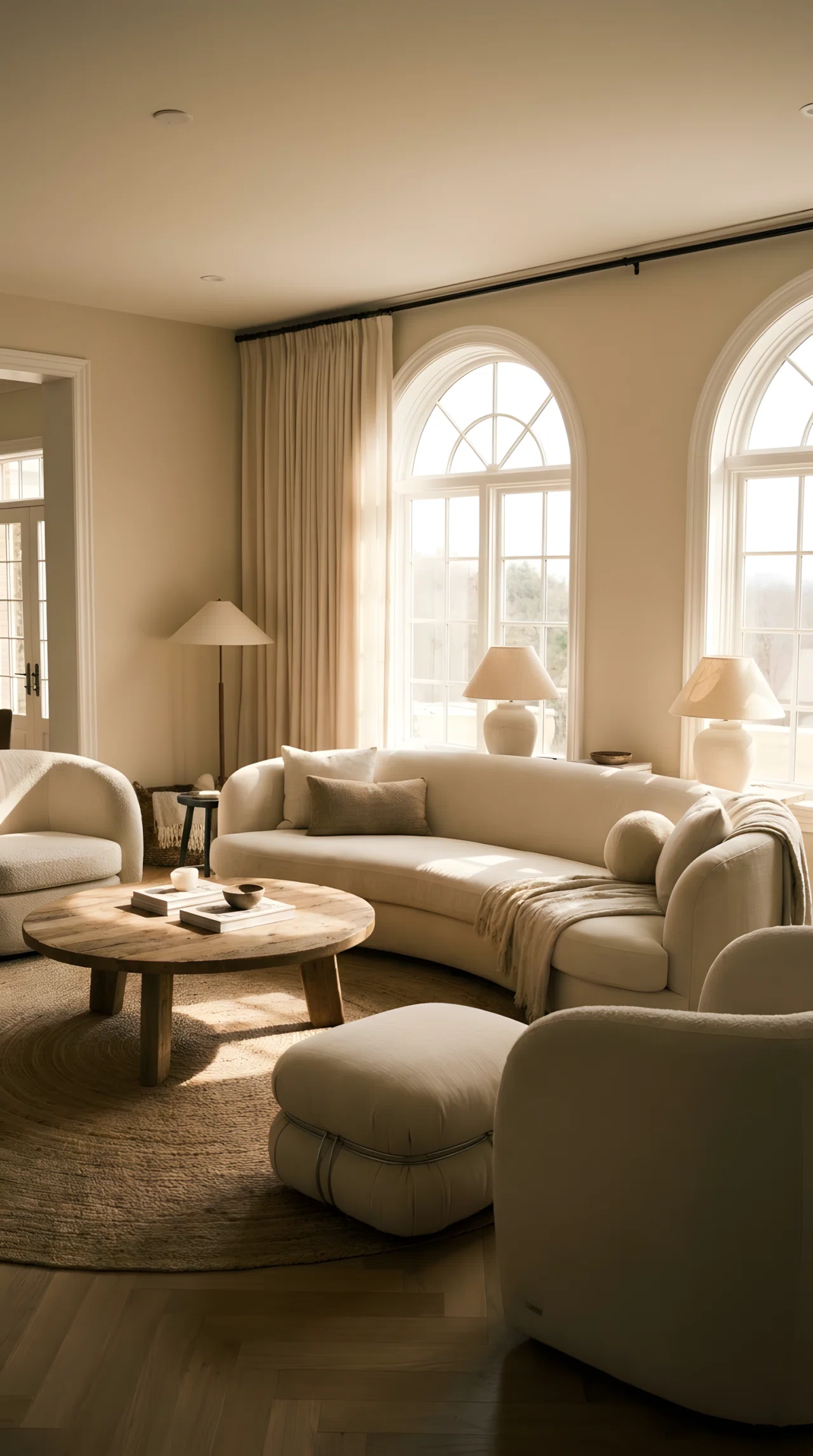
Biophilic spaces favor curves, rounded edges, and sculptural silhouettes that echo natural forms over sharp corners and rigid geometry. A curved sofa, a round dining table, or an arched mirror all contribute to this quality. Rounded furniture is widely available at most furniture retailers.
14. Bring the Outside In Through a Window Display
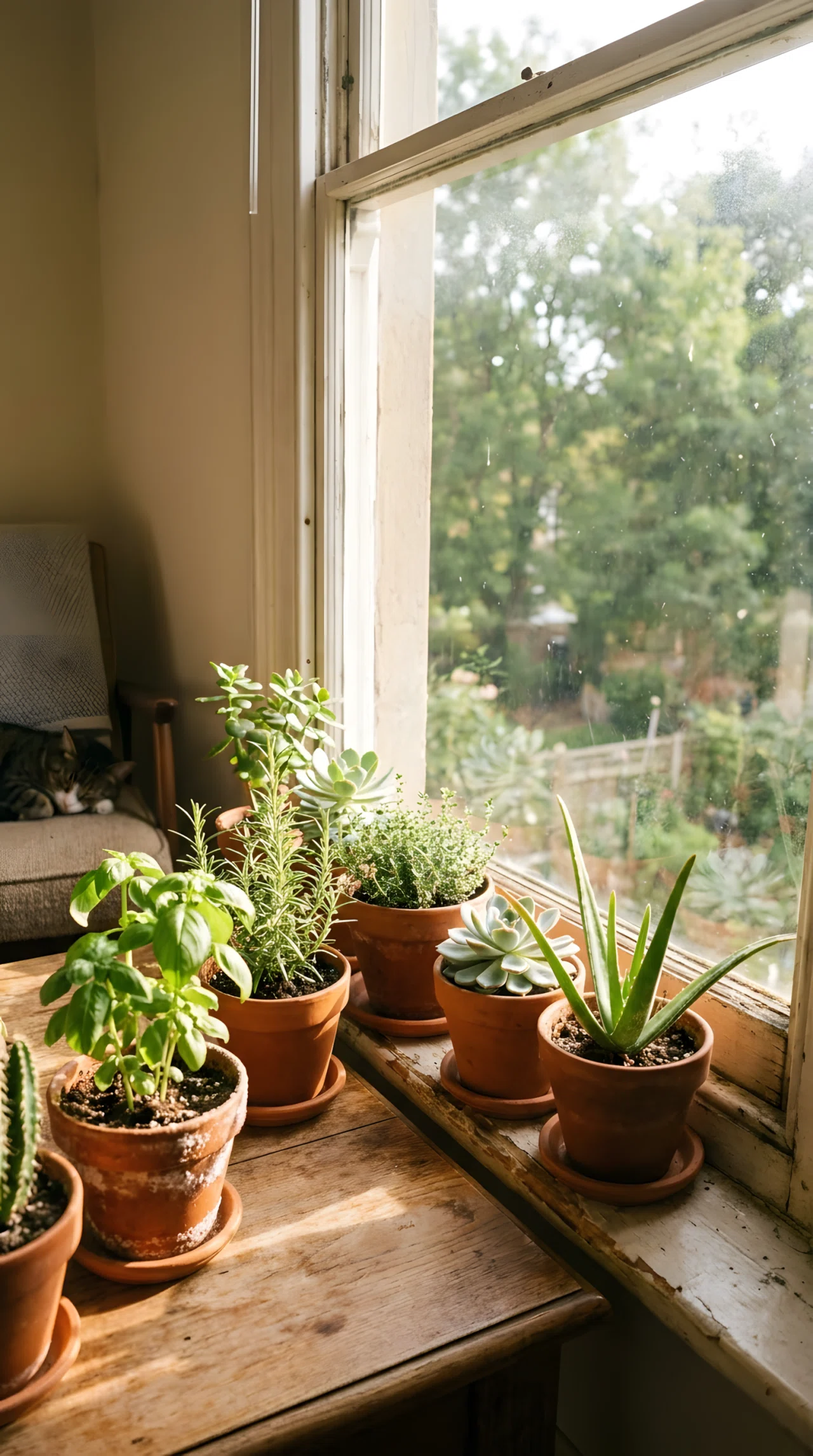
Treating a window ledge as a display surface for small plants, stones, and natural objects creates a visual connection between indoors and outdoors every time you look at it. Even in an apartment, a window herb garden or a row of succulents on the sill creates this bridge. The goal is a transition zone where inside and outside feel continuous.
15. Use Cork as a Wall or Surface Material
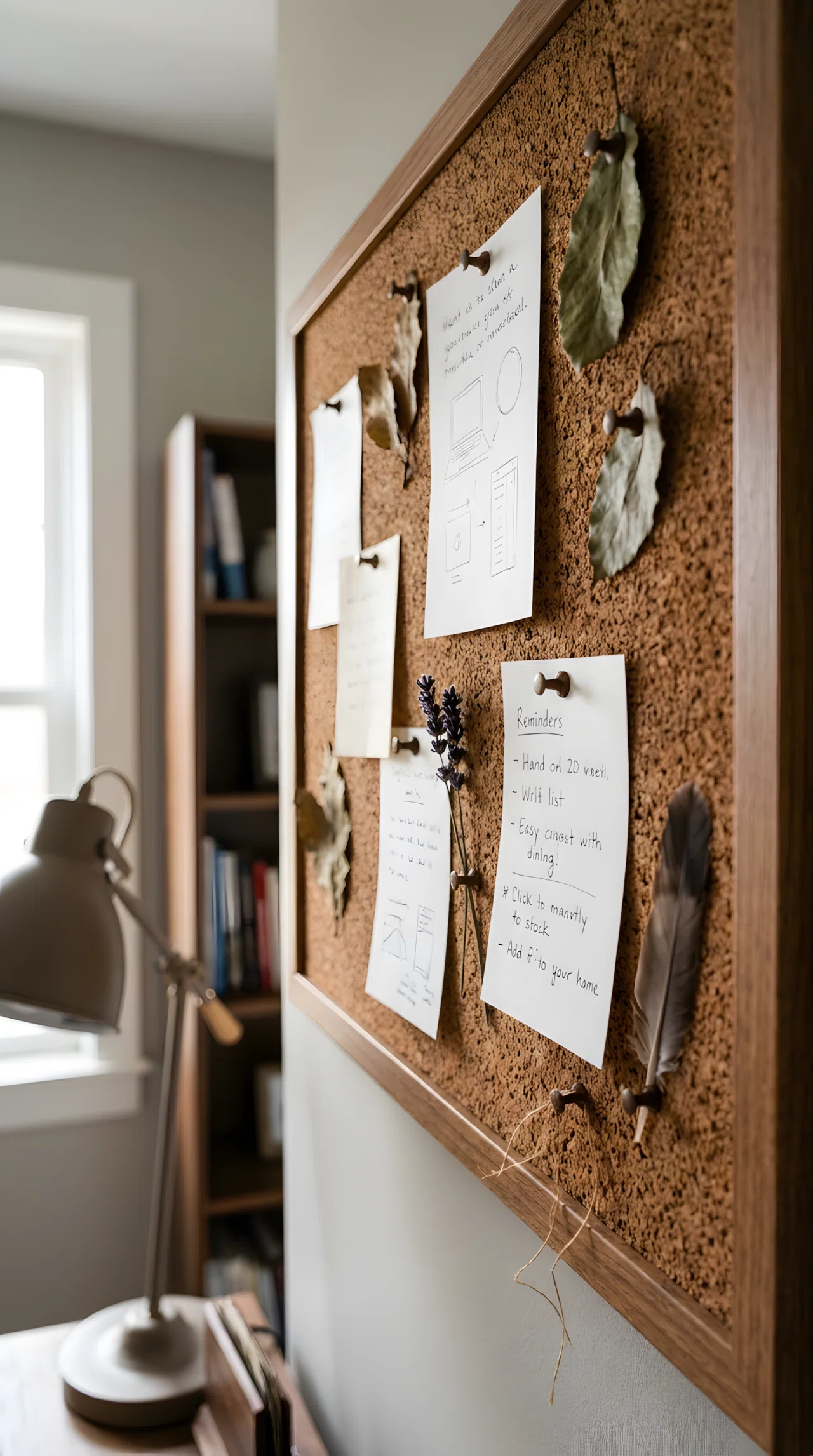
Cork is one of the most underused natural materials in home decor. A cork board used as a wall panel, a cork tray on a desk, or cork coasters on a coffee table add warm, tactile texture that reads as organic and considered. Cork products are available at most stationery, office supply, and home goods stores.
16. Display Stones, Driftwood, or Natural Objects as Decor
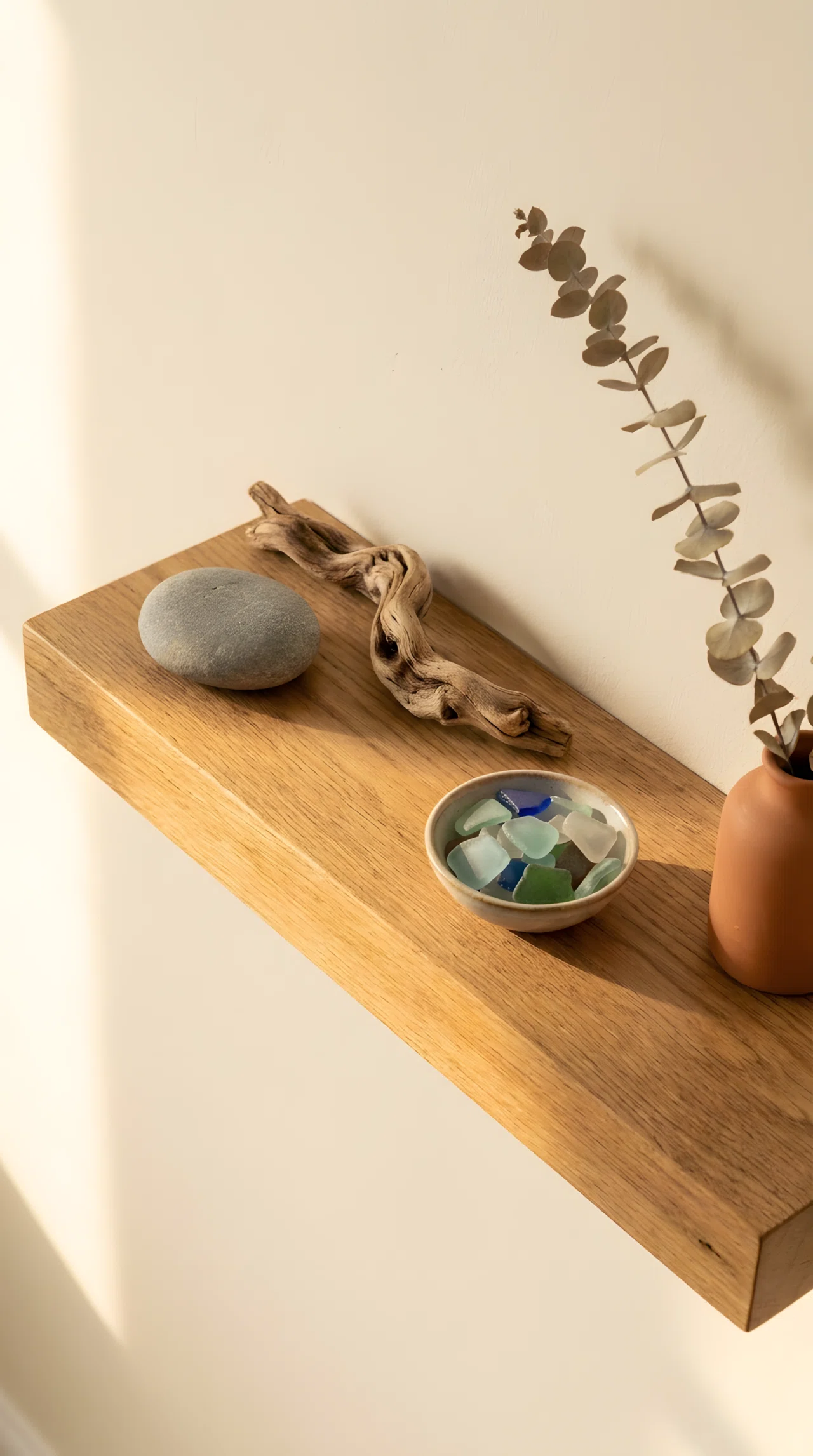
A river stone, a piece of driftwood, or a bowl of sea glass introduces the natural world at no cost. These objects carry a sense of place that manufactured decor cannot replicate. Collect them on walks or find curated sets at specialty home stores online.
17. Use Nature-Inspired Patterns in Textiles and Wallpaper
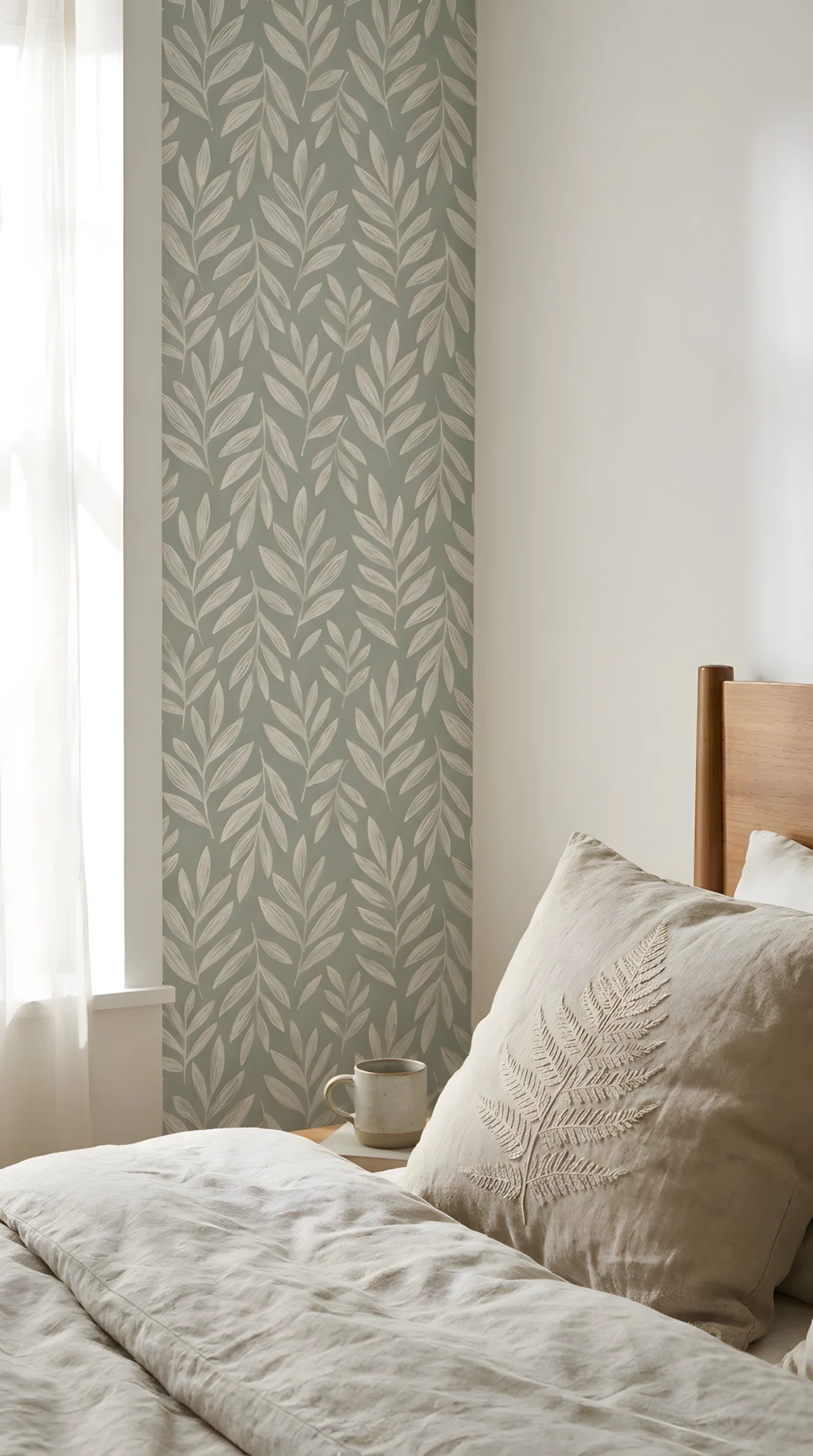
Leaf prints, botanical motifs, and branch silhouettes in textiles and wallpaper extend the biophilic effect into rooms where plants are impractical. Subtle patterns work better than bold ones since the goal is to evoke nature, not illustrate it. These are widely available at home goods and decor stores.
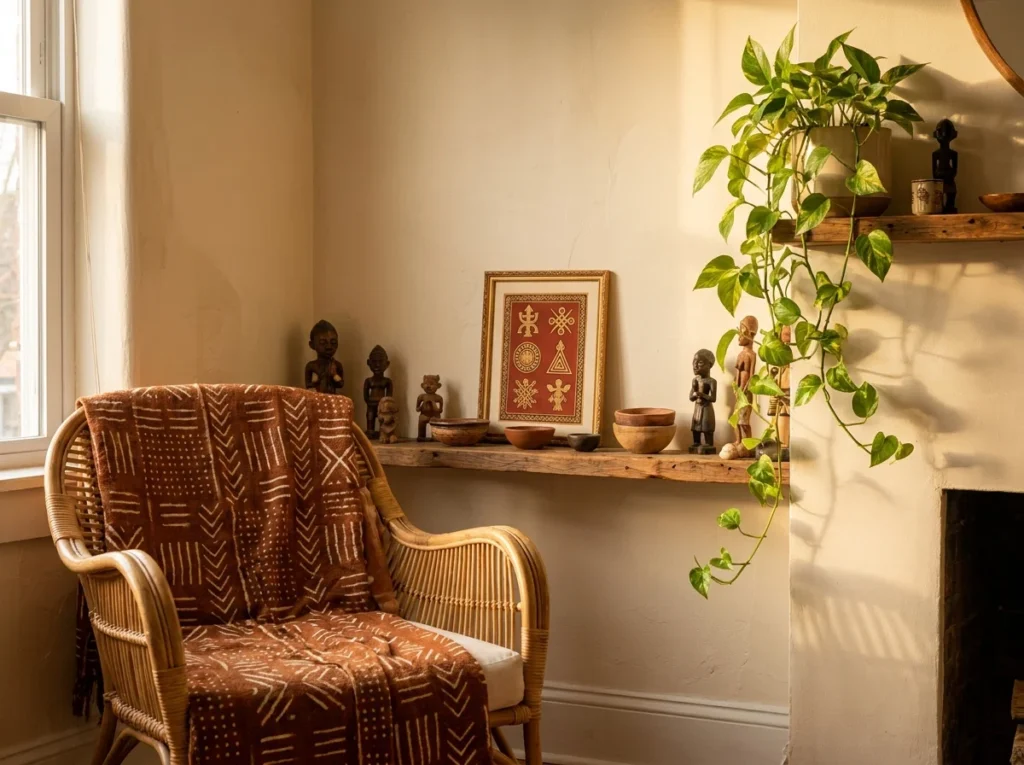
18. Keep One Surface Completely Natural and Unfinished
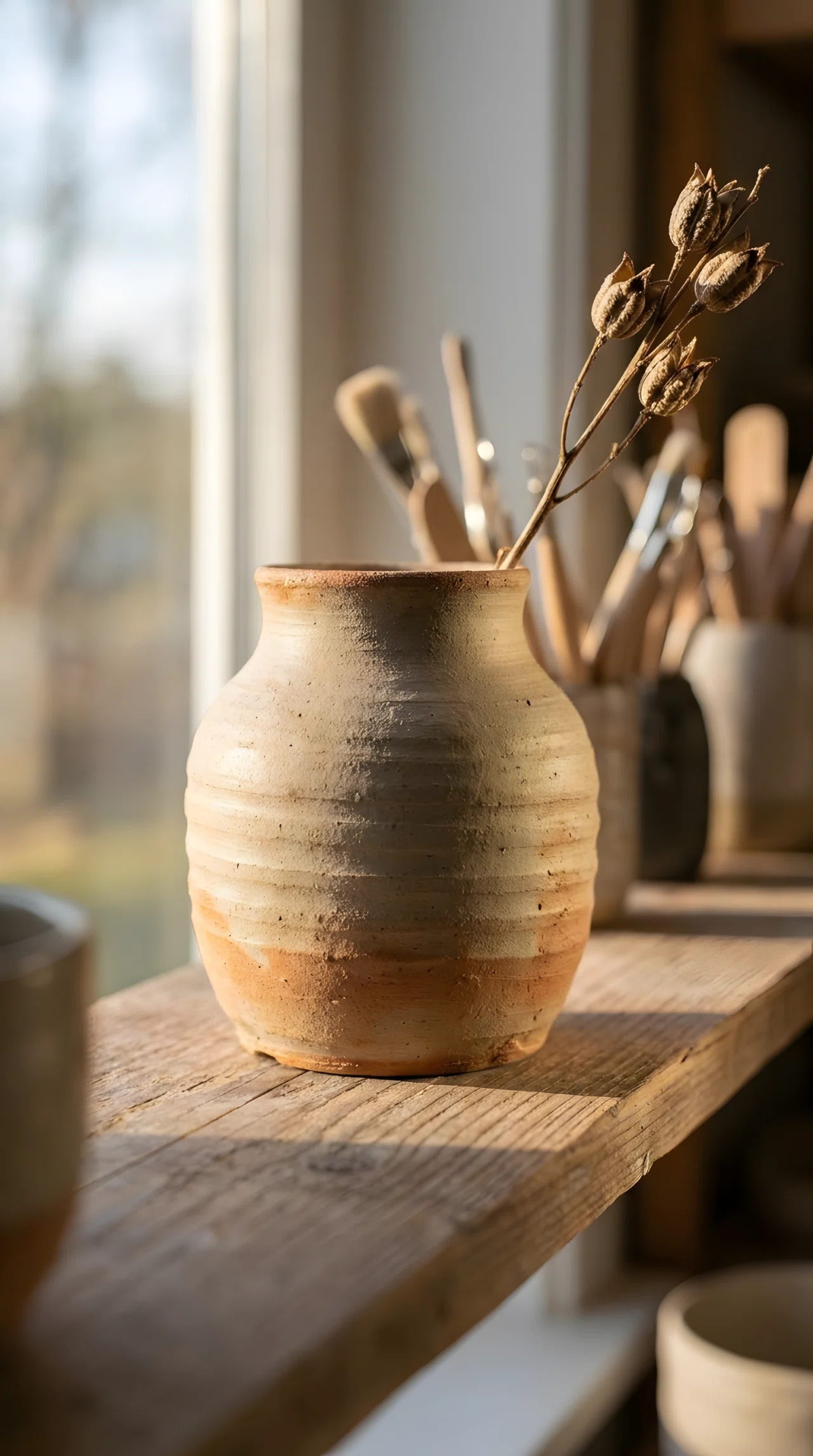
A raw-edge wood shelf, an unsealed stone tray, or an unglazed ceramic vase introduces a level of honest material quality that polished finishes cannot match. The slight imperfection and visible material history are exactly what make these pieces feel alive rather than manufactured. Raw and unfinished natural objects are available from artisan makers on craft marketplaces.
19. Maximize Indoor-Outdoor Flow on a Balcony or Terrace
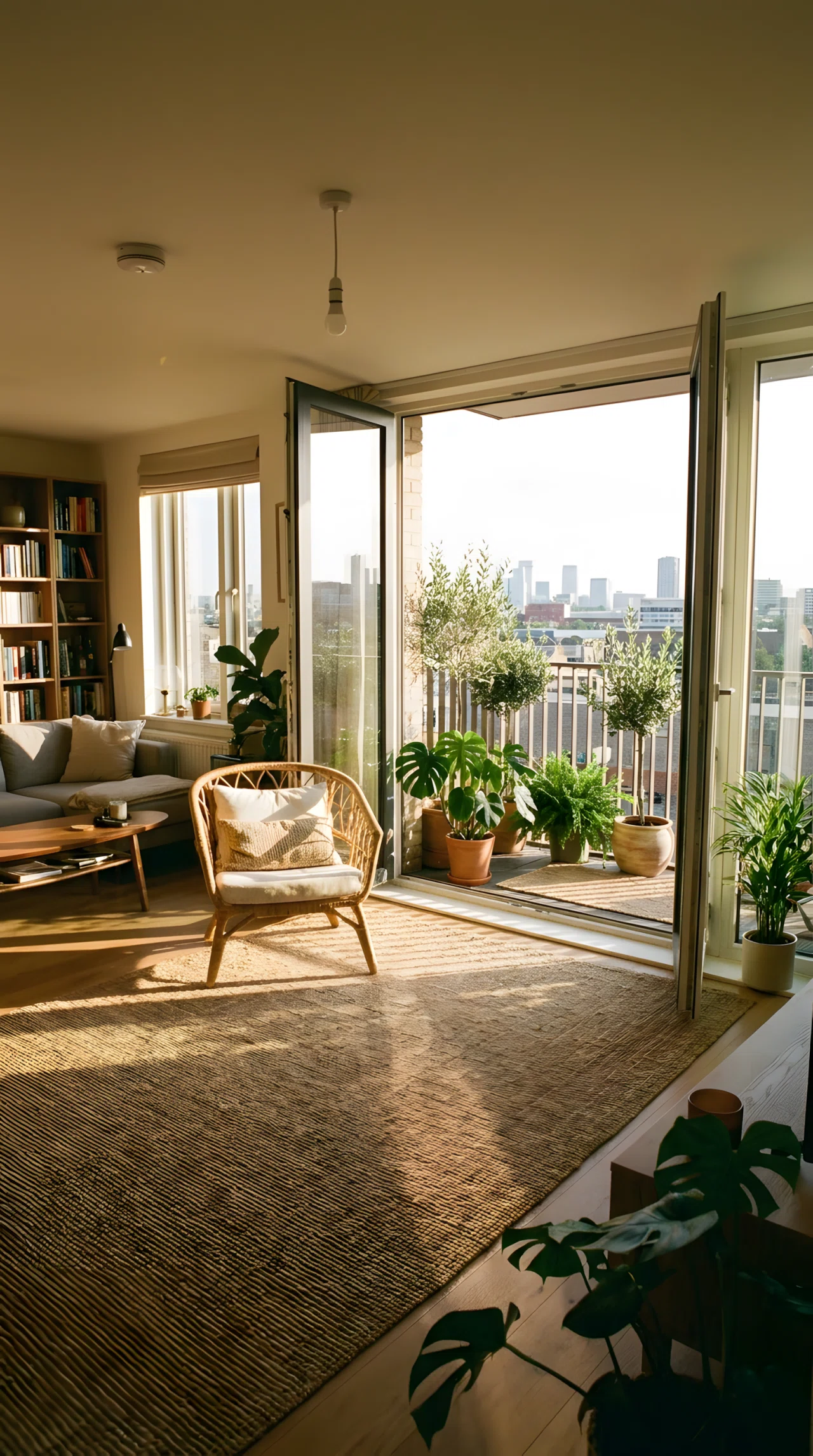
If you have access to a balcony or small terrace, treating it as a direct extension of the interior with matching materials and colors reinforces the biophilic connection between inside and outside. Use the same natural fiber rug, the same wood tones, and the same plant varieties inside and out so the boundary between the two spaces dissolves visually.
20. Let Materials Age and Develop Patina
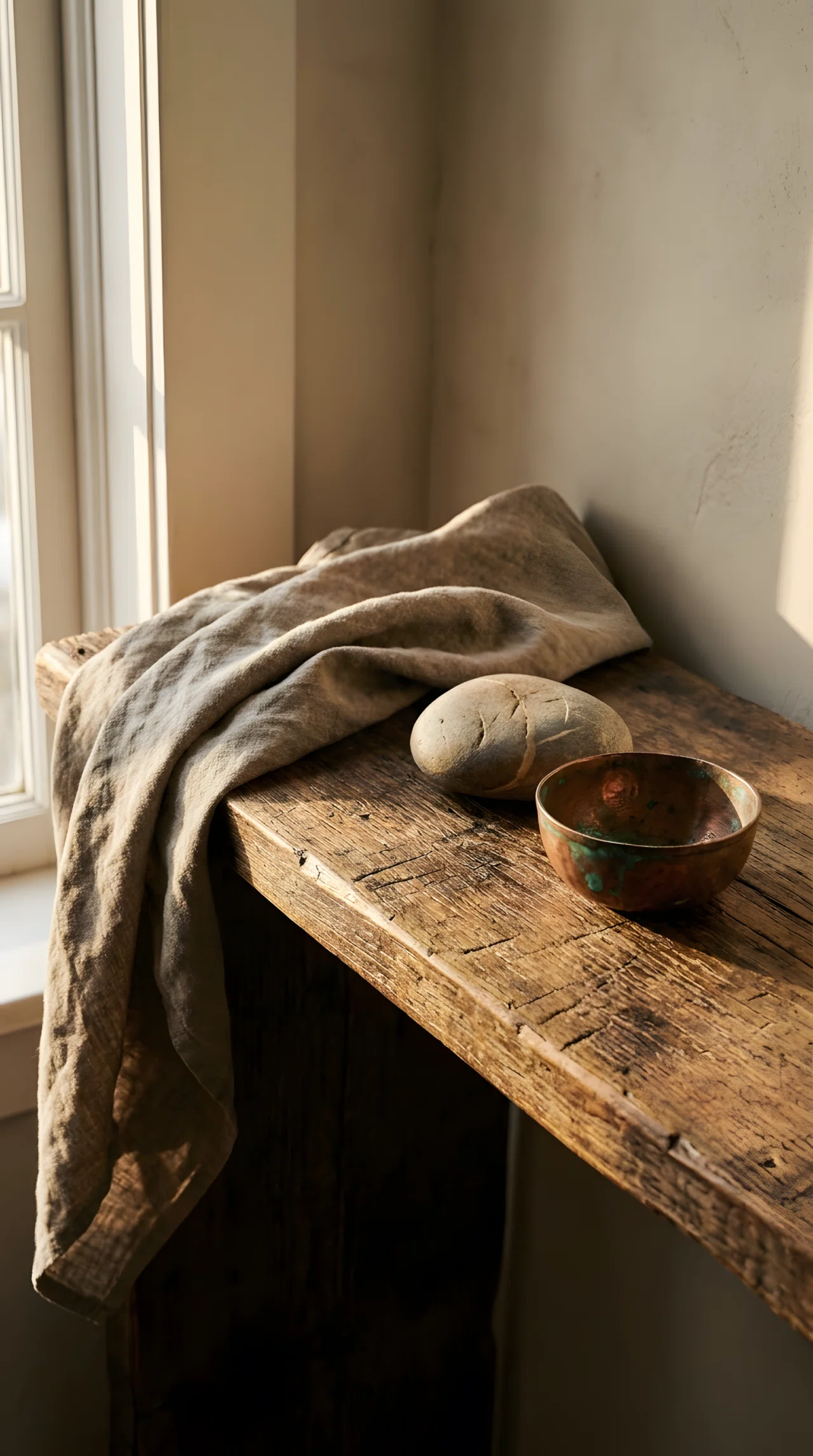
Biophilic design favors materials that get better with time: linen that softens with washing, wood that deepens in color, stone that develops subtle marks, copper that oxidizes. Choosing pieces with this quality rather than ones that resist wear is one of the most important shifts in the biophilic mindset. A home that shows its age gracefully feels more connected to the natural world than one that looks perpetually new.
Biophilic design is less a trend and more a return to something the nervous system already knows. Start with light, add one strong plant, swap one cold material for a warm one, and let the room grow.