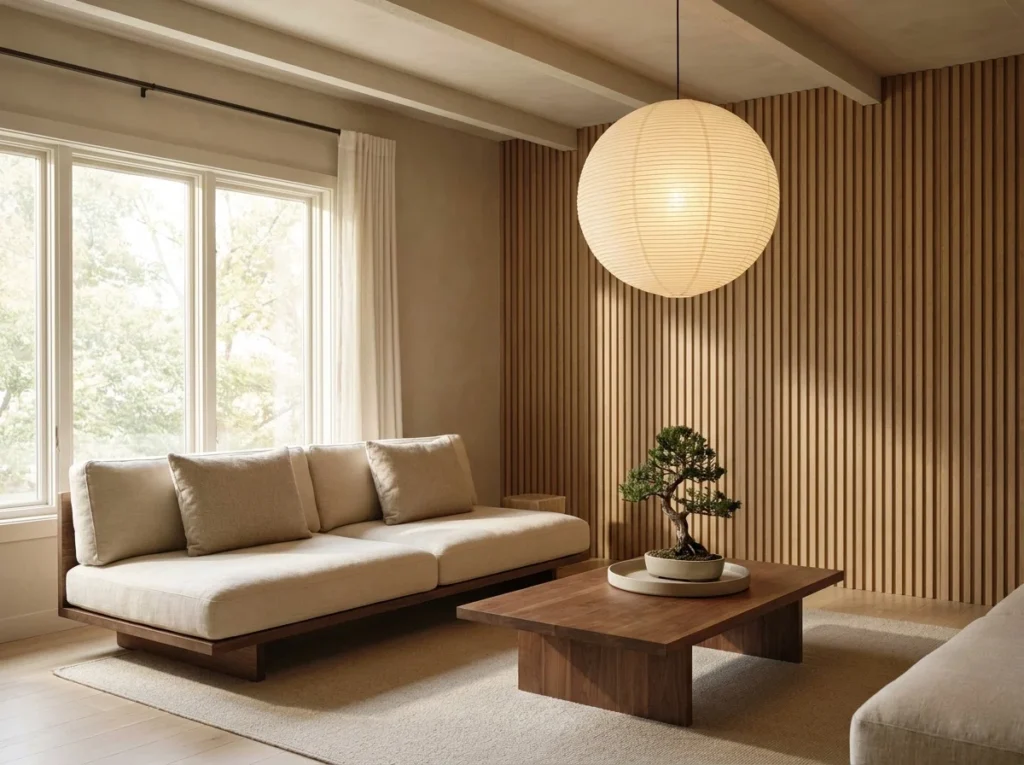
Life in your late twenties and early thirties can feel incredibly chaotic. Between building a career, navigating social obligations, and simply trying to keep up with the fast pace of the modern digital world, returning home should feel like stepping into a private sanctuary.
This is exactly why the Japandi interior design trend has captured our collective attention. A beautiful fusion of Scandinavian functionality and Japanese elegance, Japandi is much more than just a viral decor style. It is a philosophy that actively promotes tranquility, deep intention, and mindful living.
If you find yourself overwhelmed by visual clutter and crave a space that lowers your stress levels, you need this aesthetic. By blending the cozy elements of Nordic design with the wabi-sabi principles of Japan, you create a home that is both highly practical and deeply serene.
Let us explore fifteen Japandi minimalist decor ideas that will transform your everyday living space into a true zen oasis.
1. Adopt a Muted and Calming Color Palette
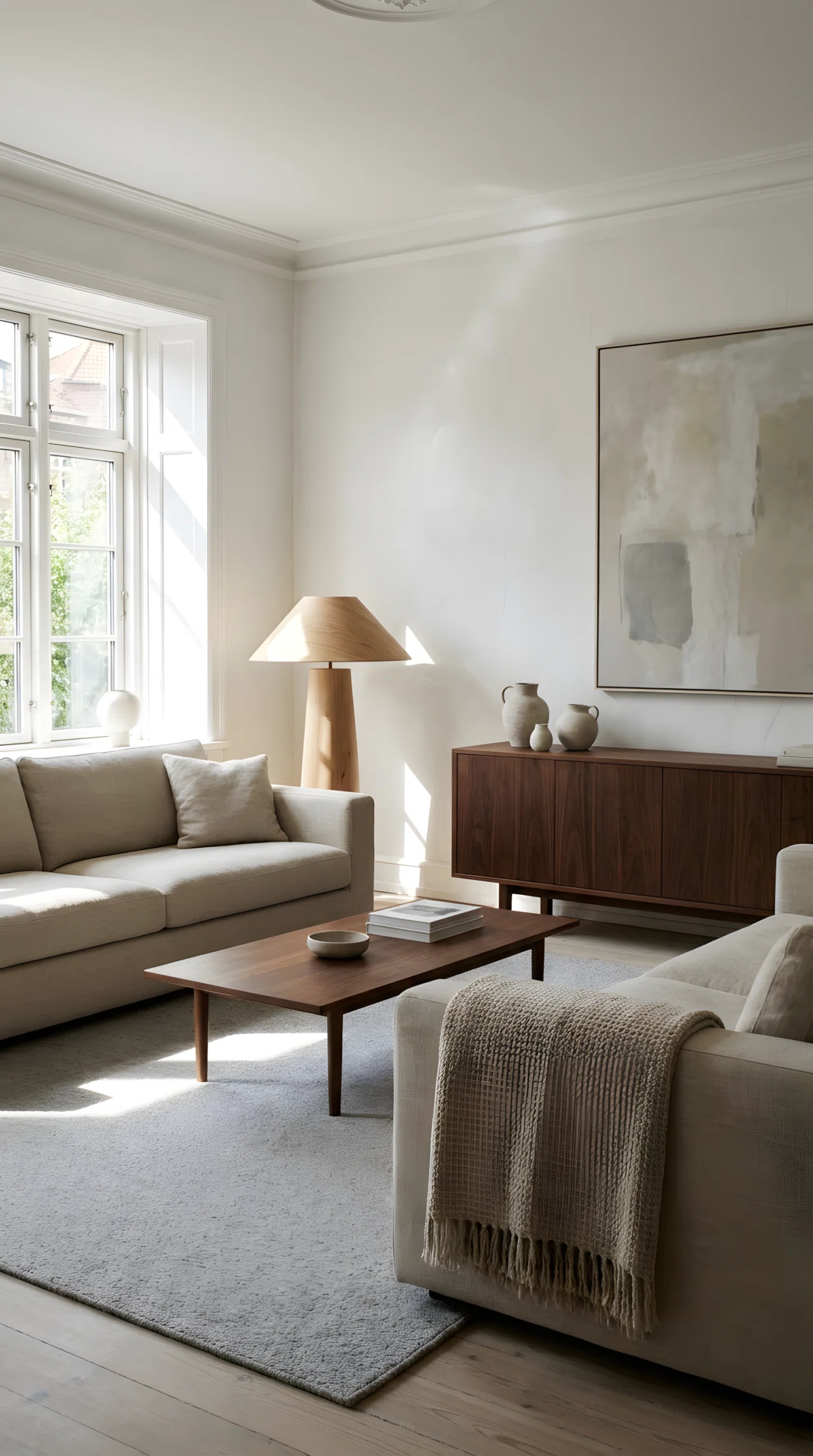
The fusion of Scandinavian and Japanese design relies heavily on a calming color foundation. You want to step inside your front door and immediately feel your heart rate drop. Ditch the loud primary colors and stark, clinical whites. Instead, embrace muted, earthy tones that mimic the natural world outside. Think about incorporating warm oatmeals, soft stone greys, muted sage greens, and deep walnut browns. These subtle shades create a harmonious background that does not constantly demand your attention. By painting your walls in a warm beige or soft taupe, you establish a serene environment. This allows your overworked mind to rest after a long day of screen time.
2. Invest in Low-Profile Furniture
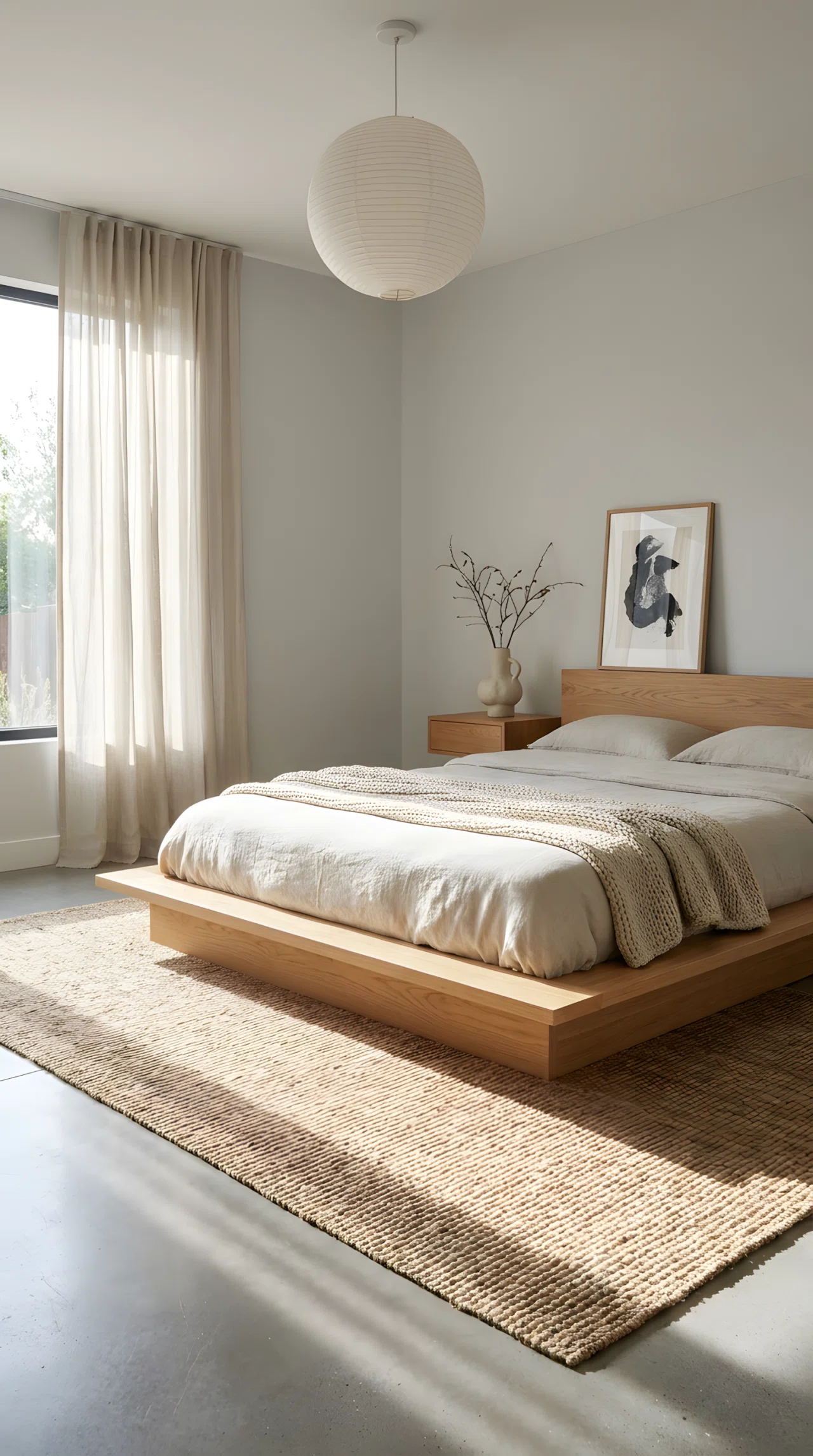
A key characteristic of Japanese interior design is an undeniable connection to the earth. You can easily replicate this feeling by selecting low-profile furniture for your primary living spaces. Swap out a tall, bulky bed frame for a minimalist platform bed that sits closer to the floor. In the living room, choose a low-slung sofa and a short wooden coffee table. This specific design choice instantly grounds the room and creates an illusion of higher ceilings. It makes small apartments feel significantly more spacious and airy. Sitting lower to the ground also encourages a more relaxed and informal posture when you are unwinding.
3. Embrace the Art of Ruthless Decluttering
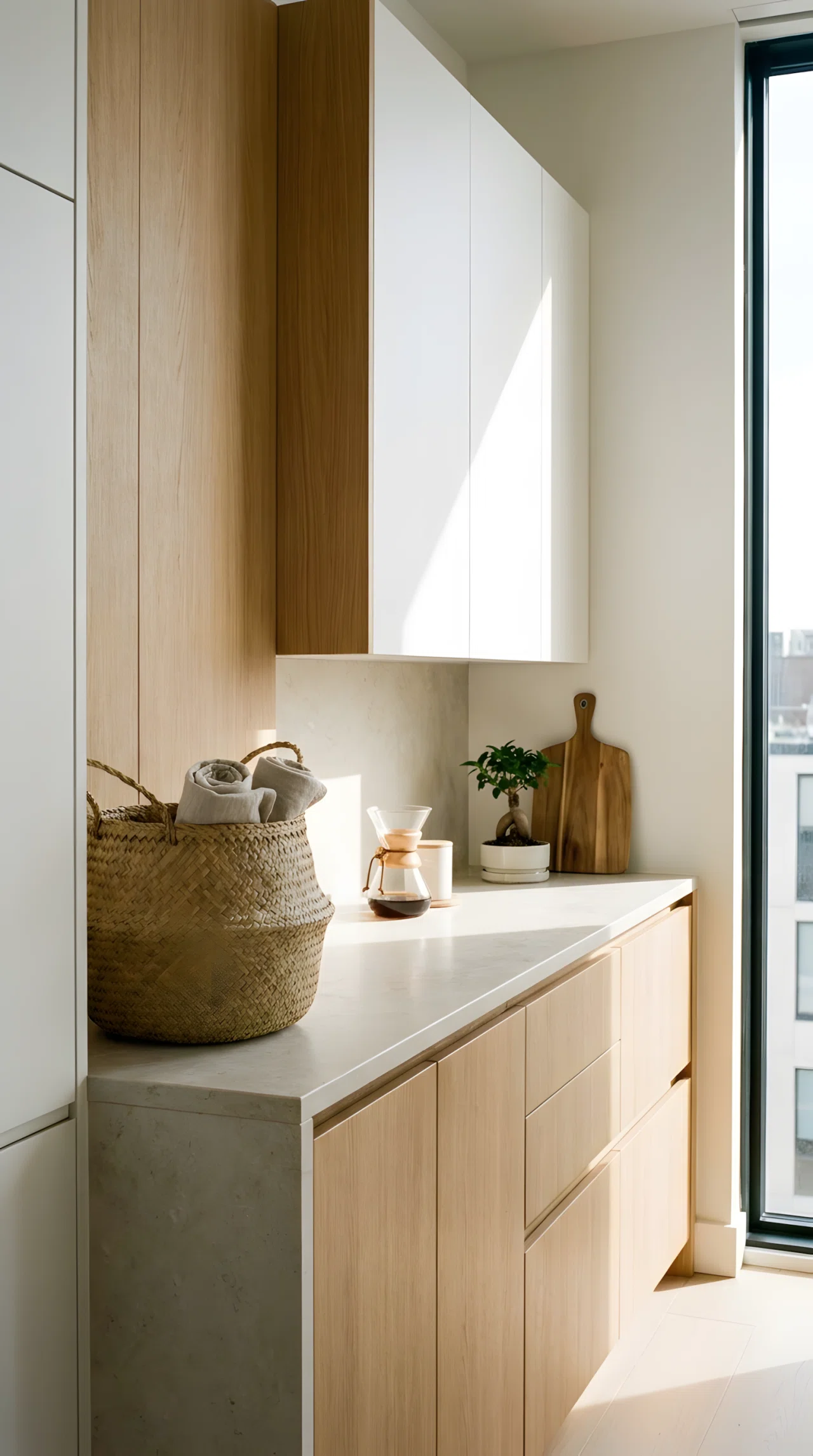
Japandi is fundamentally opposed to clutter. However, this does not mean your home should feel empty or devoid of personality. It means practicing intentional curation. Go through your belongings and keep only the items that serve a distinct functional purpose or bring you genuine joy. Store everyday necessities out of sight in sleek cabinets or woven baskets. Clear off your kitchen counters and bathroom vanities. Visual clutter translates directly to mental clutter for our busy generation. By maintaining clean surfaces and organized spaces, you are actively protecting your peace of mind and making your daily routines much smoother.
4. Incorporate Slatted Wood Architectural Details
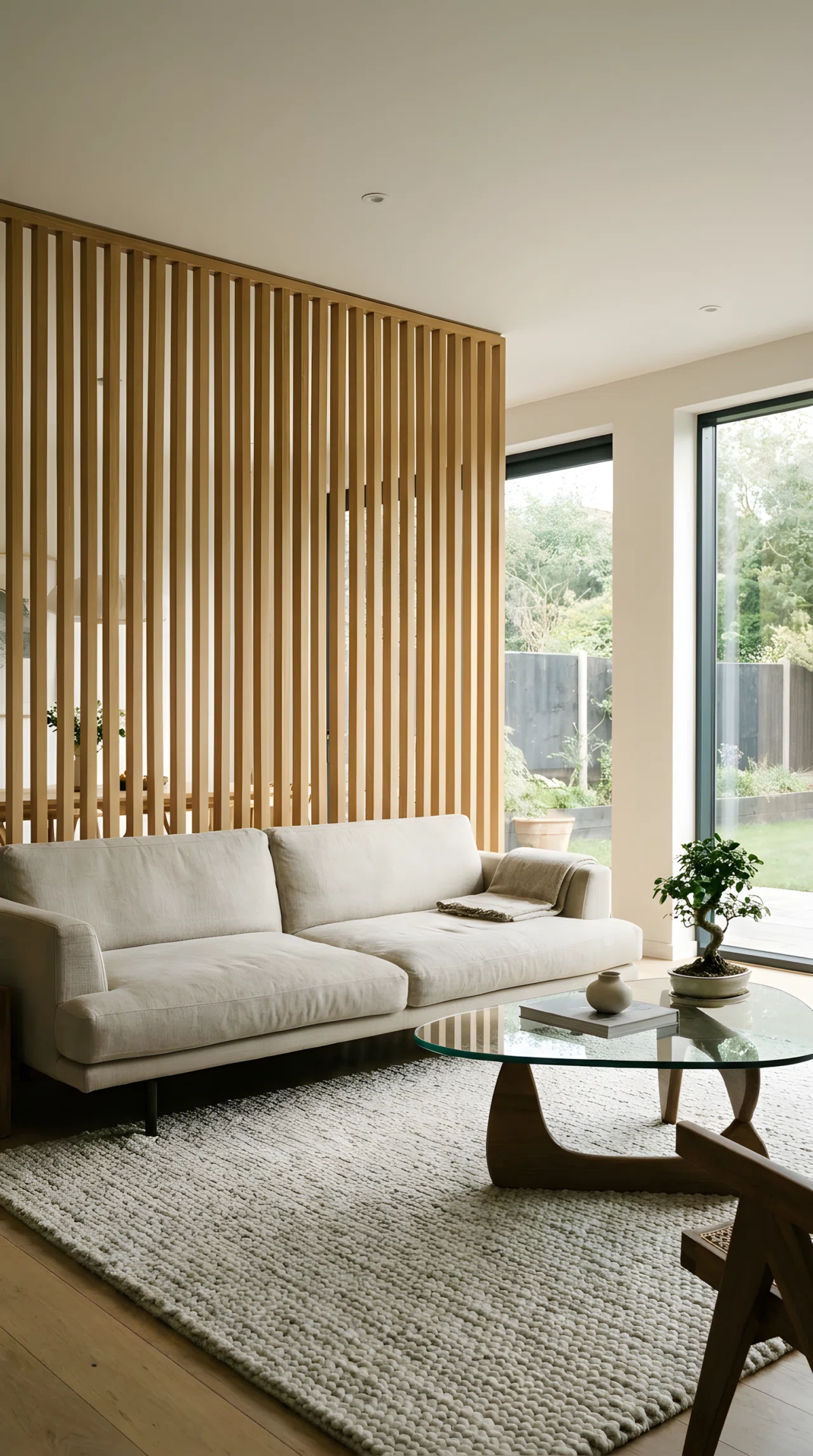
Wood is a vital material in both Scandinavian and Japanese design cultures. To give your space a modern architectural edge, introduce slatted wood details. You can install vertical wooden slats as a beautiful room divider in an open-concept apartment. They are also incredibly popular as acoustic wall panels behind a television or as a statement headboard in the bedroom. The linear design draws the eye upward and adds phenomenal texture to the room without feeling heavy or overwhelming. The repeating lines bring a sense of order and rhythm that is inherently calming to look at.
5. Bring in Bamboo and Rattan Elements
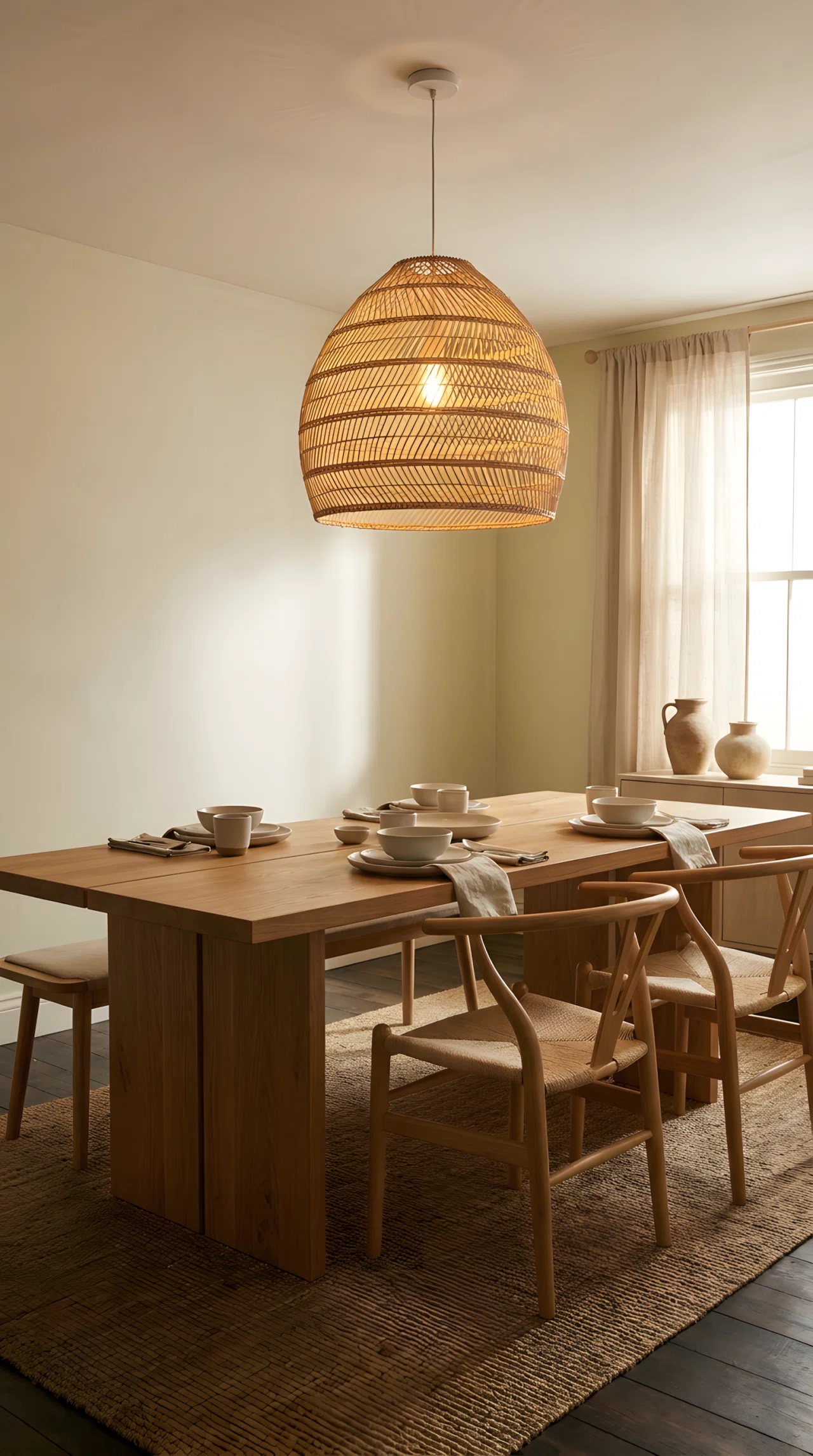
Sustainability is a core value for many millennials and younger professionals. Japandi embraces eco-friendly materials wholeheartedly. Incorporate fast-growing natural materials like bamboo and rattan into your decor scheme. A bamboo bench in the entryway, a rattan pendant light over the dining table, or simple bamboo blinds can add immediate warmth. These materials are incredibly lightweight but durable. They bring a subtle organic texture that softens the clean lines of modern minimalist furniture. Plus, they introduce a slight tropical warmth that makes the strict minimalist aesthetic feel much more approachable and livable.
6. Choose Functional yet Beautiful Decor
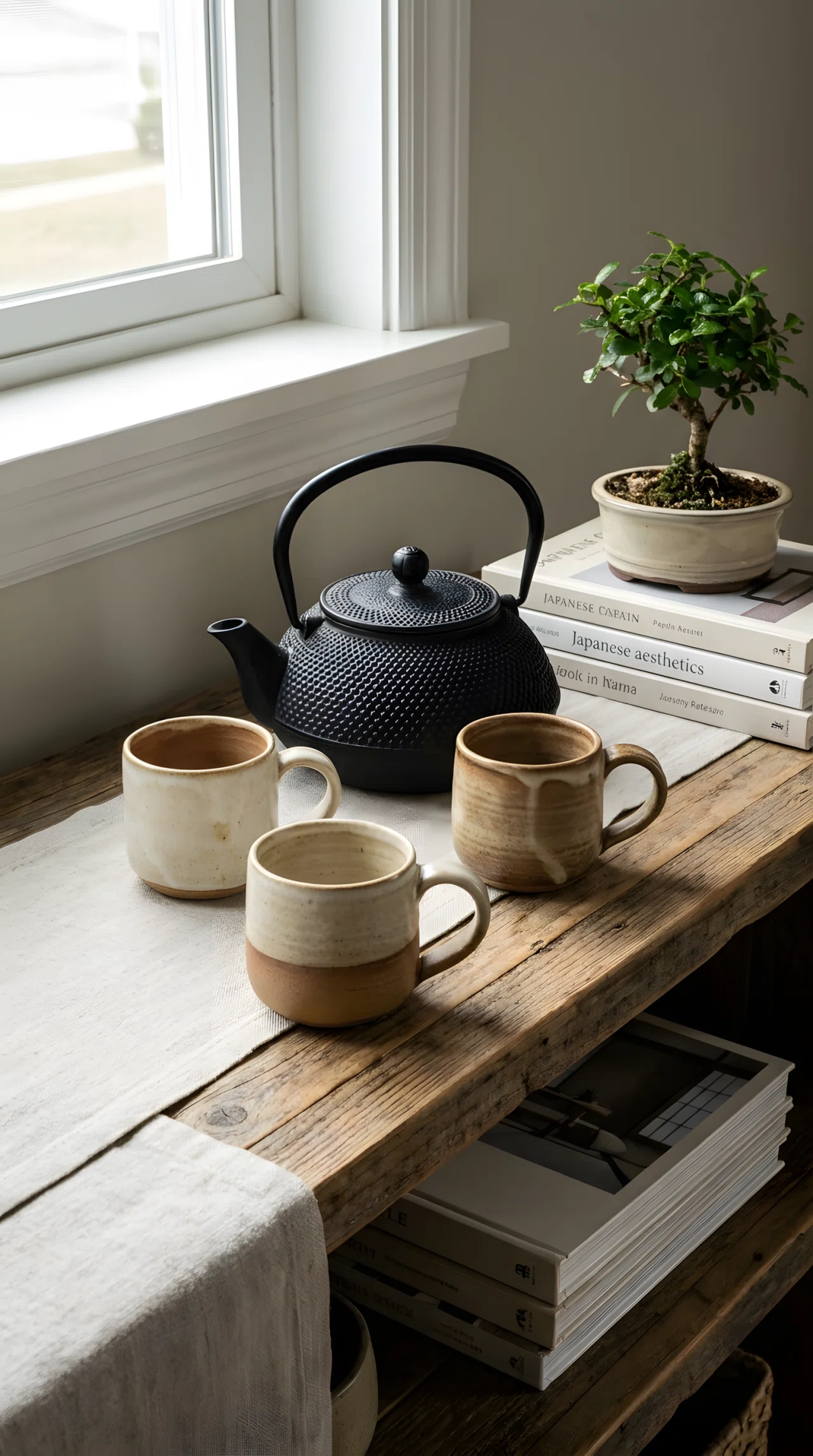
In a true Japandi home, there is very little room for items that are purely decorative and serve no other purpose. The secret is to let your practical items double as your decor. Display a beautifully crafted cast-iron teapot on your stove. Use handmade ceramic mugs on an open shelf instead of hiding them away. Even your cleaning tools, like a traditional Japanese broom or a wooden dish brush, can look beautiful when hung neatly on the wall. This approach ensures your space remains highly curated while honoring the beauty of everyday utilitarian objects.
7. Soften Spaces with Paper Lantern Lighting
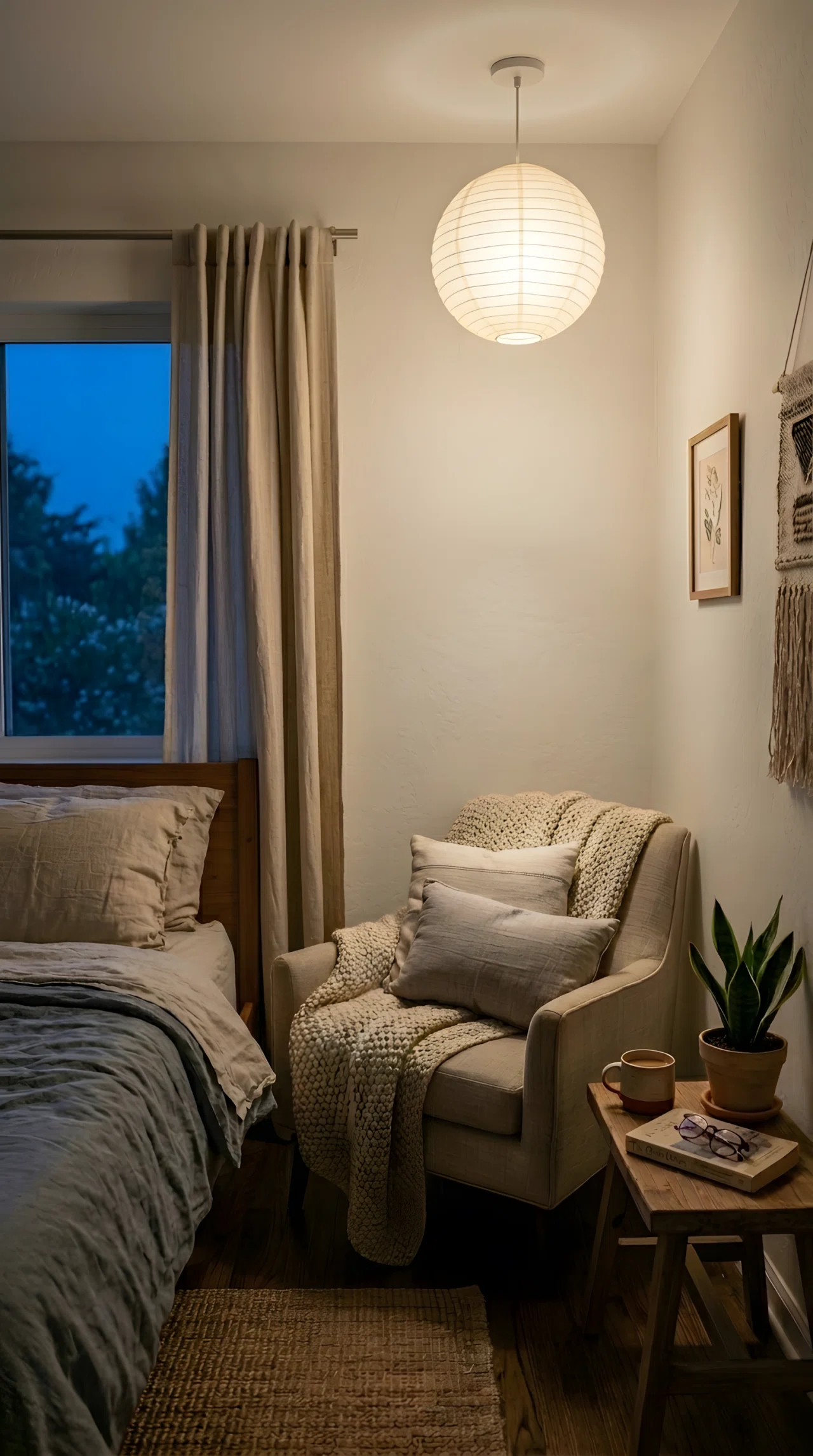
Harsh overhead lighting is the ultimate enemy of a relaxing atmosphere. To achieve that coveted zen vibe, turn off the main lights and rely on soft, diffused ambient lighting. Noguchi-inspired paper lanterns are the absolute perfect addition to a Japandi room. The rice paper material softens the light bulb, casting a warm and gentle glow across the room. You can hang a large paper pendant in the center of the bedroom or place a small sculptural paper lamp on your bedside table. This type of lighting instantly signals to your brain that it is time to wind down for the night.
8. Introduce Minimalist Greenery and Bonsai
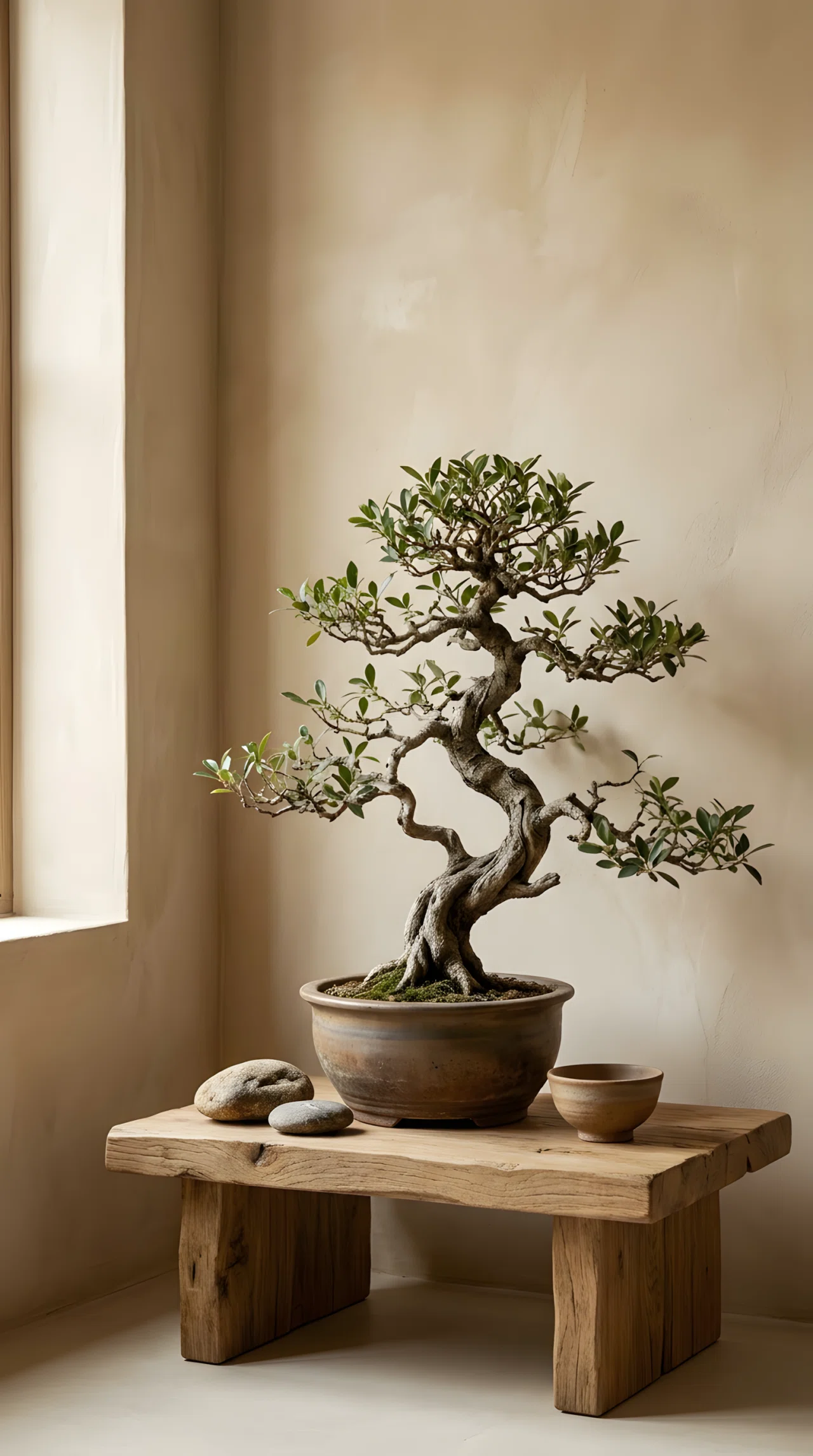
While some design trends encourage turning your living room into an indoor jungle, Japandi takes a much more restrained approach to plants. The goal is to highlight the sculptural beauty of nature rather than overwhelming the space. Choose one or two statement plants with interesting shapes. A carefully pruned bonsai tree on a side table is a classic nod to Japanese heritage. Alternatively, place a single, elegant olive tree or a large weeping fig in a simple ceramic pot in the corner of the room. This minimalist approach to greenery brings life into the apartment without adding visual chaos.
9. Focus on High-Quality Craftsmanship
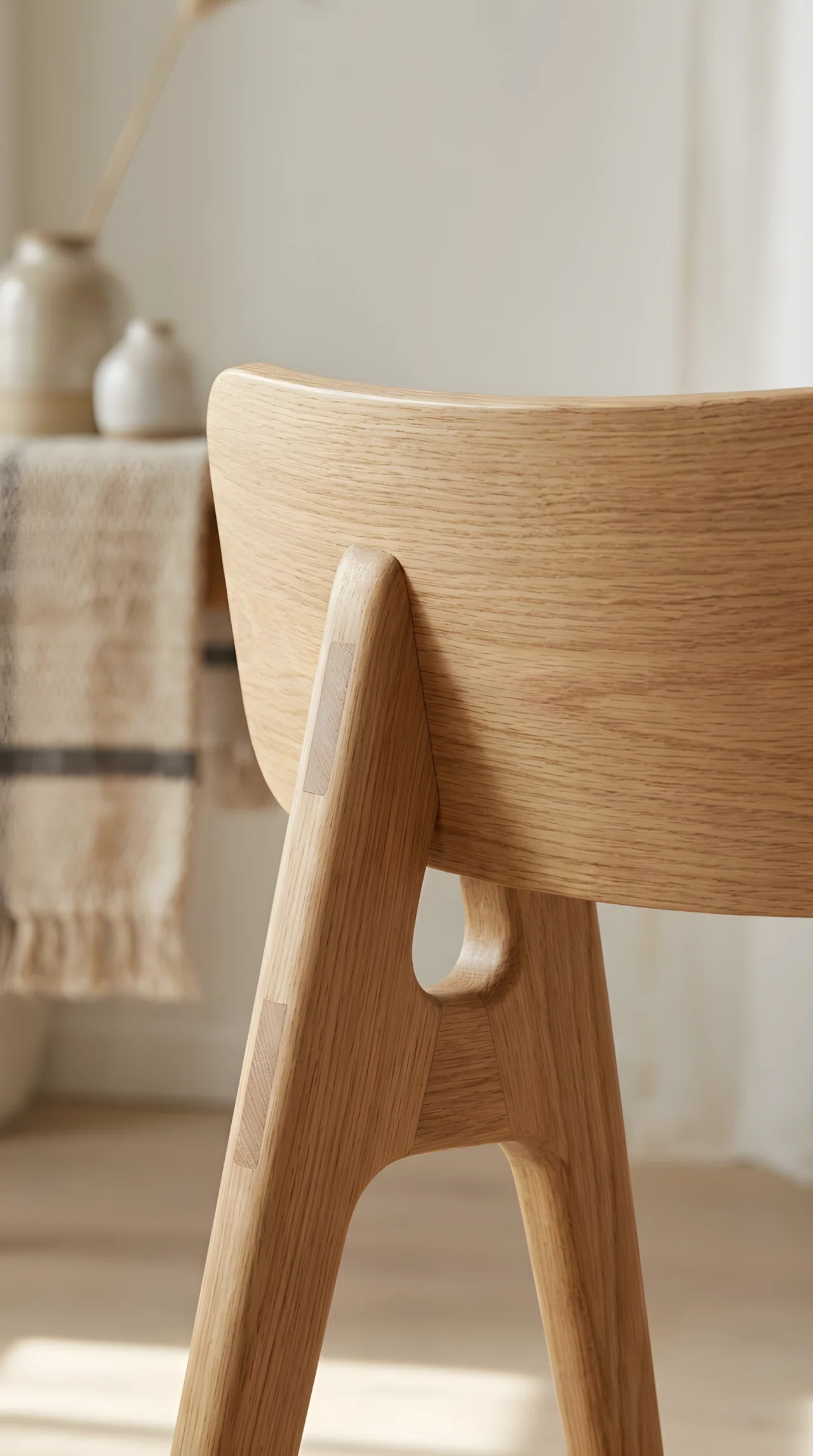
We are increasingly moving away from the culture of disposable fast furniture. Japandi encourages investing in high-quality pieces that are built to last a lifetime. Pay close attention to craftsmanship and joinery. Look for furniture made from solid wood rather than cheap particleboard. Appreciate the visible joints and the smooth finish of a well-made dining chair. While these pieces might cost a bit more upfront, they bring an undeniable sense of authenticity and weight to the room. Surrounding yourself with thoughtfully crafted items cultivates a deeper appreciation for your home environment.
10. Keep Window Treatments Light and Airy
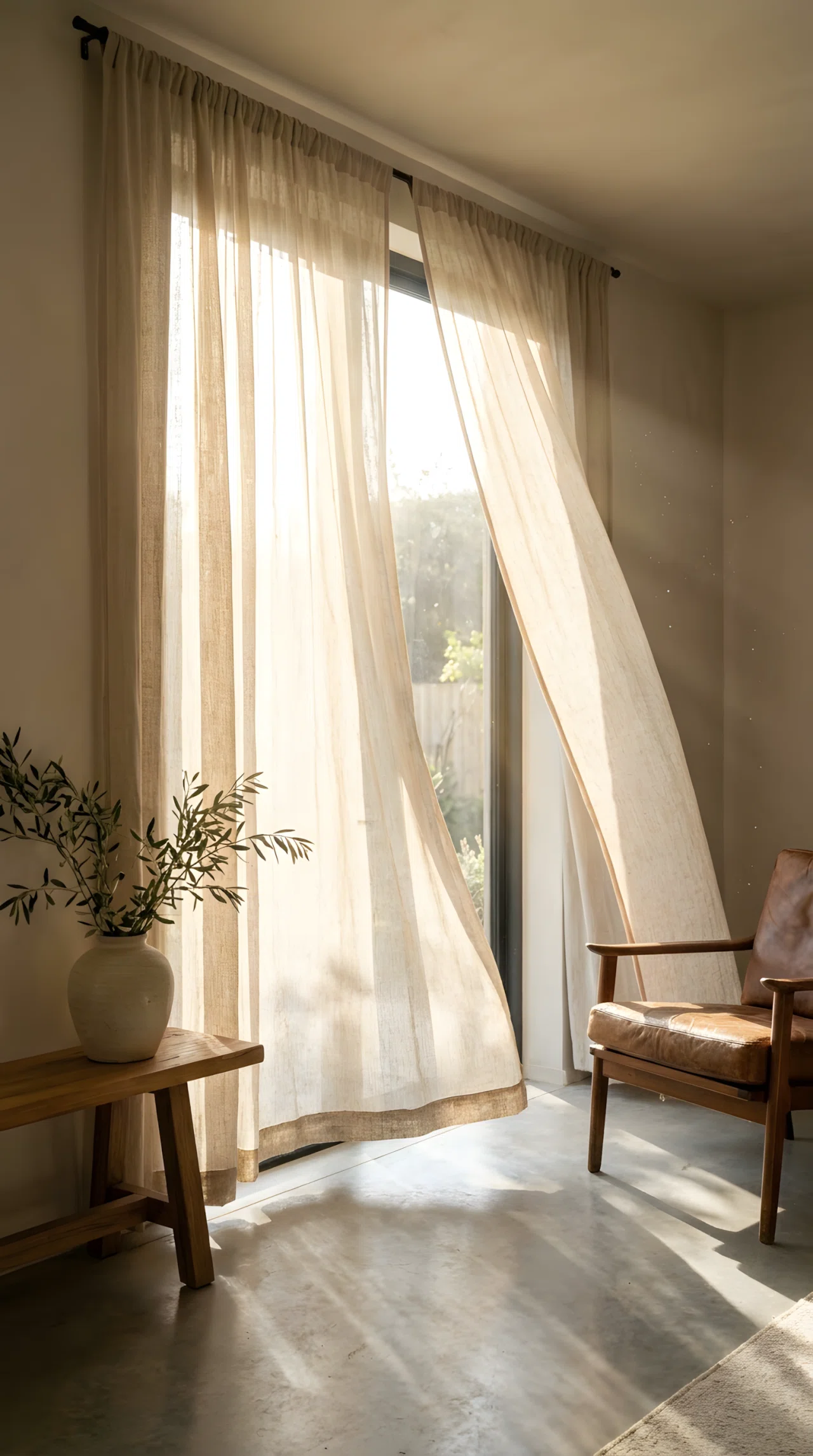
Connecting the indoors with the outdoors is a huge part of this design philosophy. You want to maximize natural sunlight as much as possible. Avoid heavy, dark drapes that block out the sun and make the room feel closed off. Instead, opt for light, airy window treatments. Sheer linen curtains in a soft white or beige allow natural light to filter through beautifully while still providing a basic level of privacy. If you need more light control in the bedroom, layer the sheers over simple, neutral-colored roller blinds that can be completely hidden during the day.
11. Utilize Shoji-Inspired Room Dividers
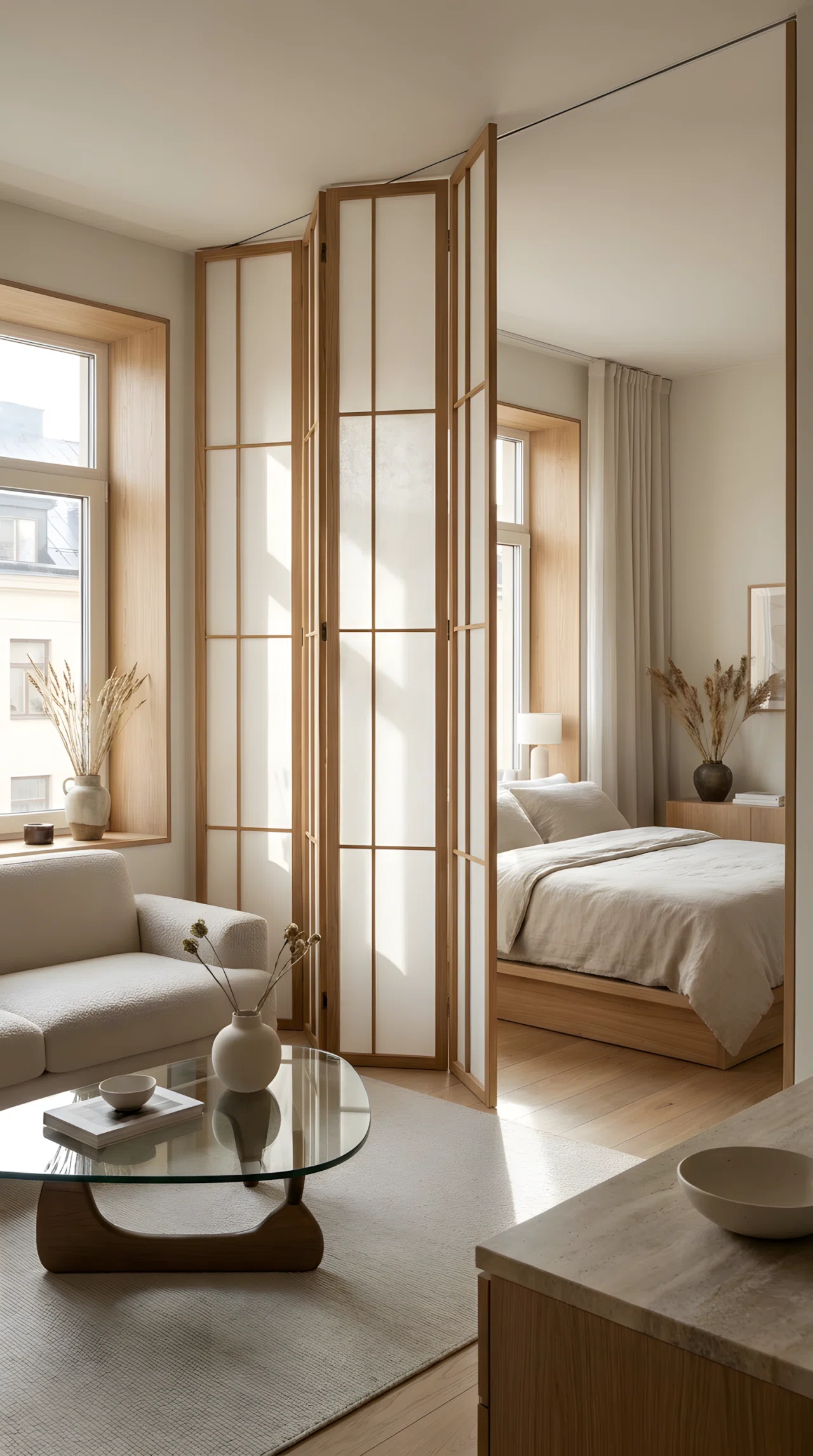
If you live in a studio apartment or have a large open floor plan, creating distinct zones is essential for making the space feel cozy. Shoji screens are traditional Japanese room dividers made from translucent paper and a wooden lattice frame. You can use modern, shoji-inspired folding screens to separate your home office setup from your relaxing living room area. They provide privacy and structure without entirely blocking the flow of natural light. The geometric grid pattern of the wood also adds a subtle architectural element that fits perfectly within the minimalist theme.
12. Select Stoneware and Matte Ceramics
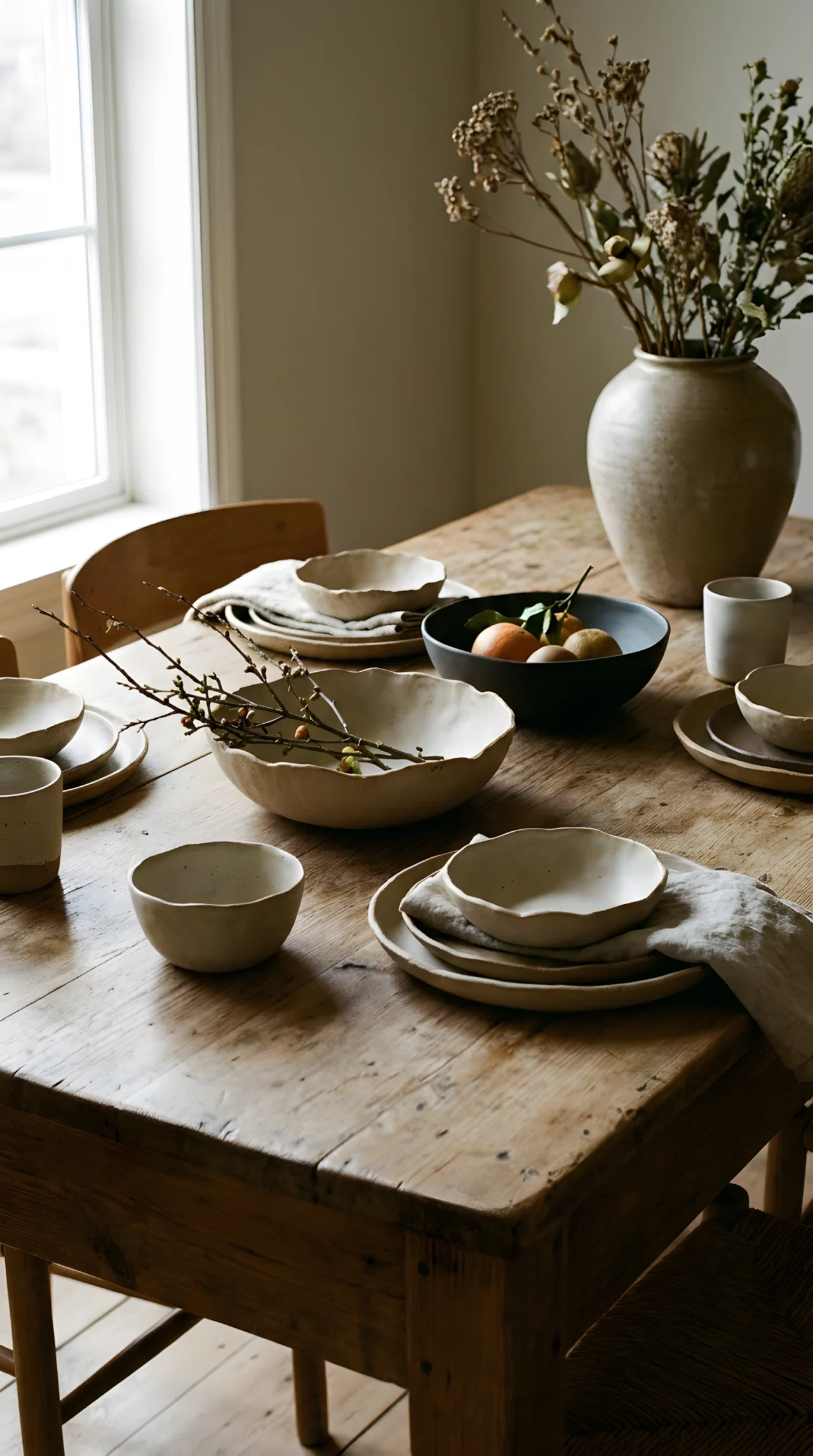
Glossy, highly polished finishes tend to look a bit too glamorous for the Japandi aesthetic. When choosing vases, bowls, and dinnerware, seek out stoneware and ceramics with matte finishes. You want items that feel slightly rough and earthy to the touch. The wabi-sabi influence celebrates the small imperfections found in handmade pottery. A simple, unglazed clay vase holding a single dried branch becomes a stunning focal point on a dining table. These grounded, tactile materials connect you back to nature and provide a wonderful contrast to smooth wooden furniture surfaces.
13. Maximize Natural Light Strategically
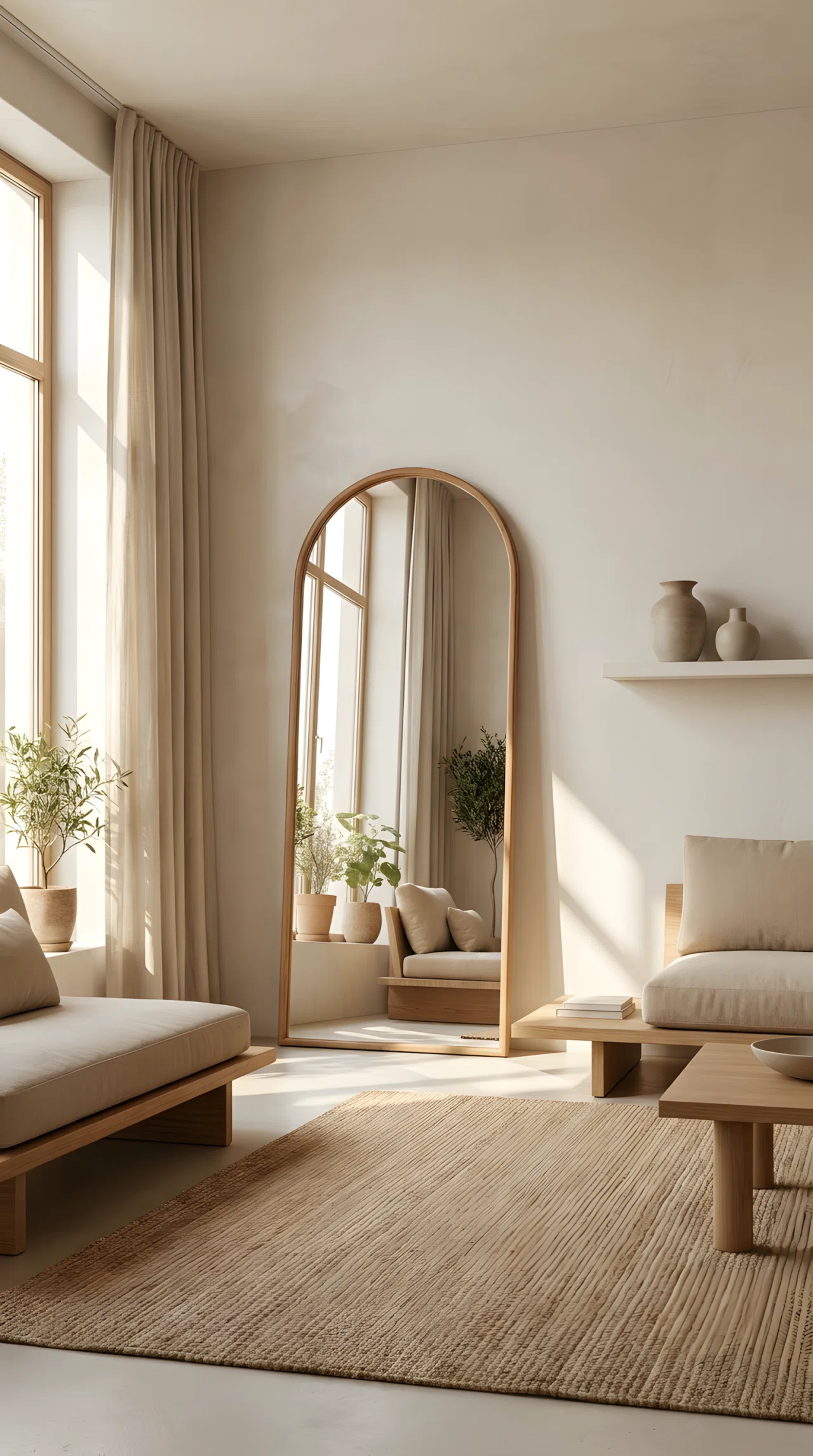
Because the color palette is so muted, maximizing natural light is crucial to keep the space from feeling dreary. Keep your windows as unobstructed as possible. Clean your windows regularly to let the maximum amount of sunshine in. You can also strategically place a large, simple floor mirror opposite a window to bounce light deeper into the room. This is a classic interior design trick that makes smaller urban apartments feel twice their actual size. The interplay of natural light and shadow throughout the day adds dynamic energy to an otherwise quiet and still room.
14. Create a Dedicated Cozy Nook
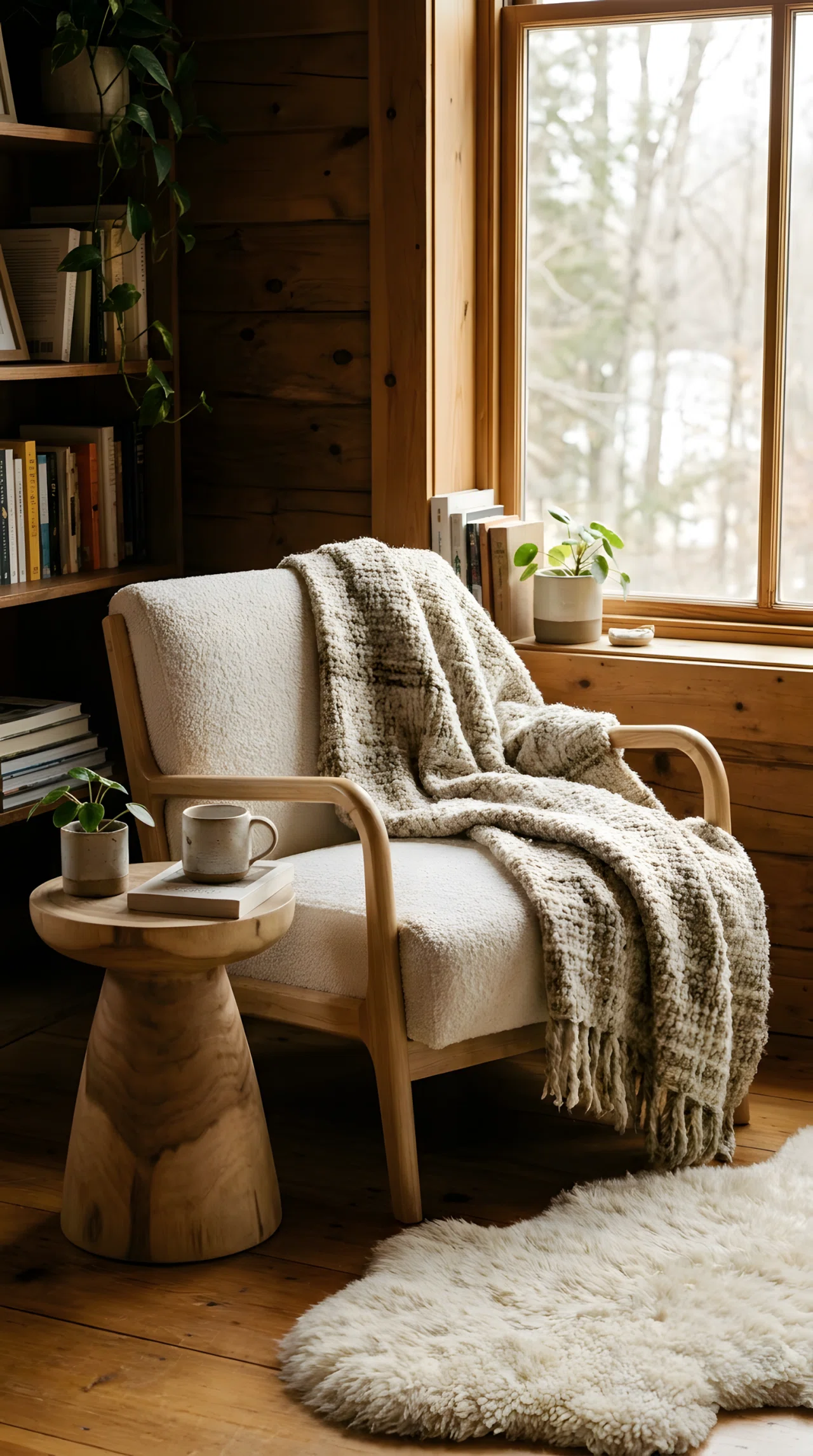
While Japanese design brings the minimalism, Scandinavian design brings the concept of hygge, which translates to a feeling of cozy contentment. Ensure your home has at least one dedicated nook designed purely for comfort and relaxation. This could be a comfortable armchair placed by a window, layered with a textured wool throw blanket and a small side table for your coffee. It is a specific spot where you can retreat to read a book, meditate, or simply sit in silence away from your digital devices. Creating this micro-environment is essential for mental well-being.
15. Embrace Intentional Empty Space
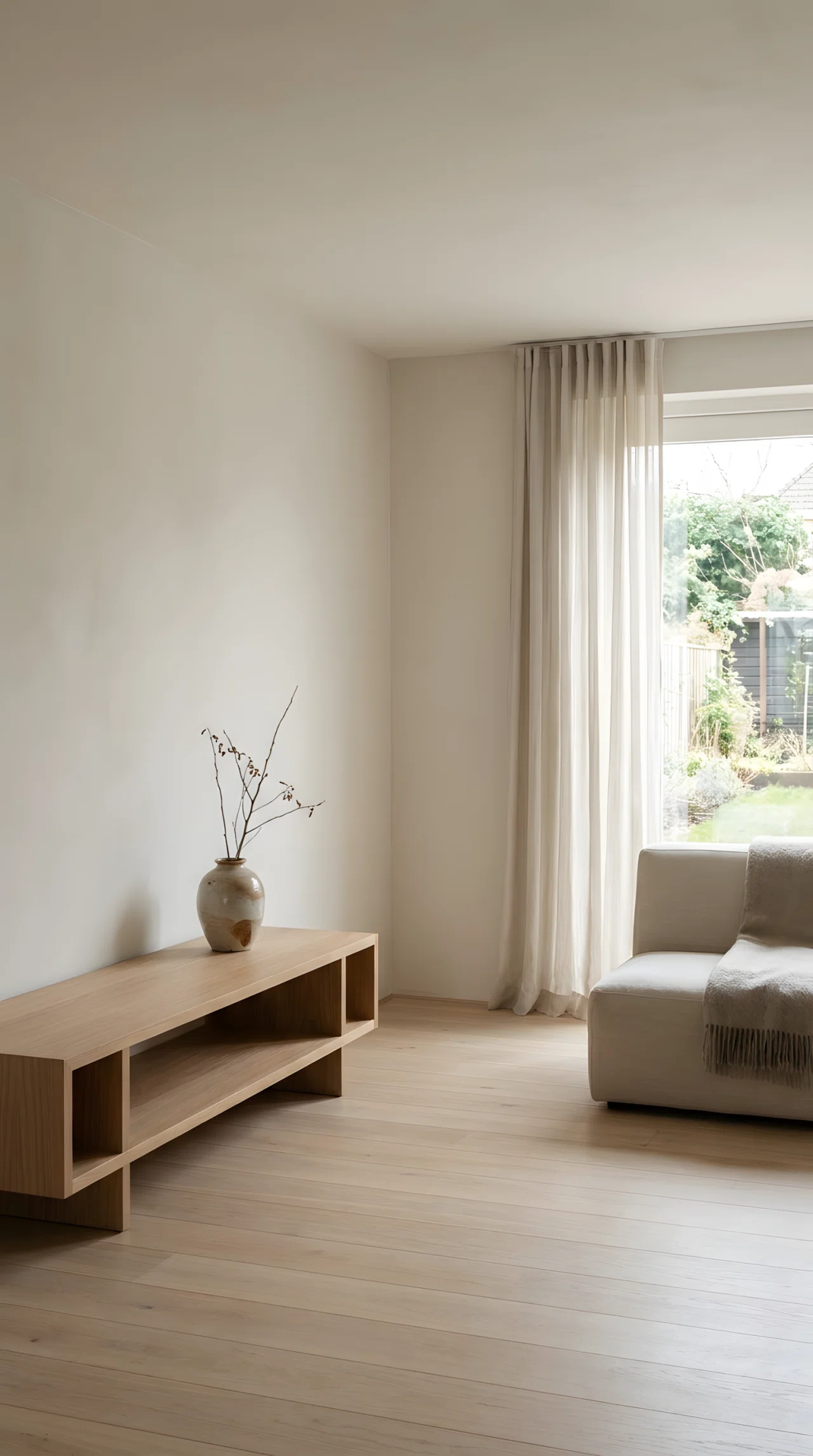
In Japanese spatial concept, there is a term called Ma, which refers to the beauty of empty space or the pause between objects. This is perhaps the hardest concept for us to master, as we are used to filling every blank wall and empty corner. To truly achieve the Japandi look, you must learn to appreciate the void. Leave some shelves half-empty. Do not hang art on every single wall. Allow the negative space to breathe. This intentional emptiness highlights the few beautiful objects you do choose to display and provides your eyes with a much-needed place to rest.
Transforming your home into a Japandi zen oasis is not about achieving cold perfection. It is about creating a deeply functional space that actively supports your lifestyle and well-being. By combining the warm practicality of Scandinavian design with the elegant restraint of Japanese aesthetics, you are building a refuge from the busy world. Start by clearing the clutter, introducing natural textures, and softening your lighting. Over time, these mindful adjustments will turn your chaotic apartment into a calm, grounding sanctuary where you can truly recharge.